
Motor vehicle accident claims cover injuries from car, truck, motorcycle and rideshare crashes, and most start with an insurance claim against the at-fault driver or your own policy. Value depends on injury severity, proof of fault, the state's fault and insurance rules, and policy limits. NHTSA counted 6,180,241 police-reported crashes in 2024.
Updates on Motor Vehicle Accident Claims
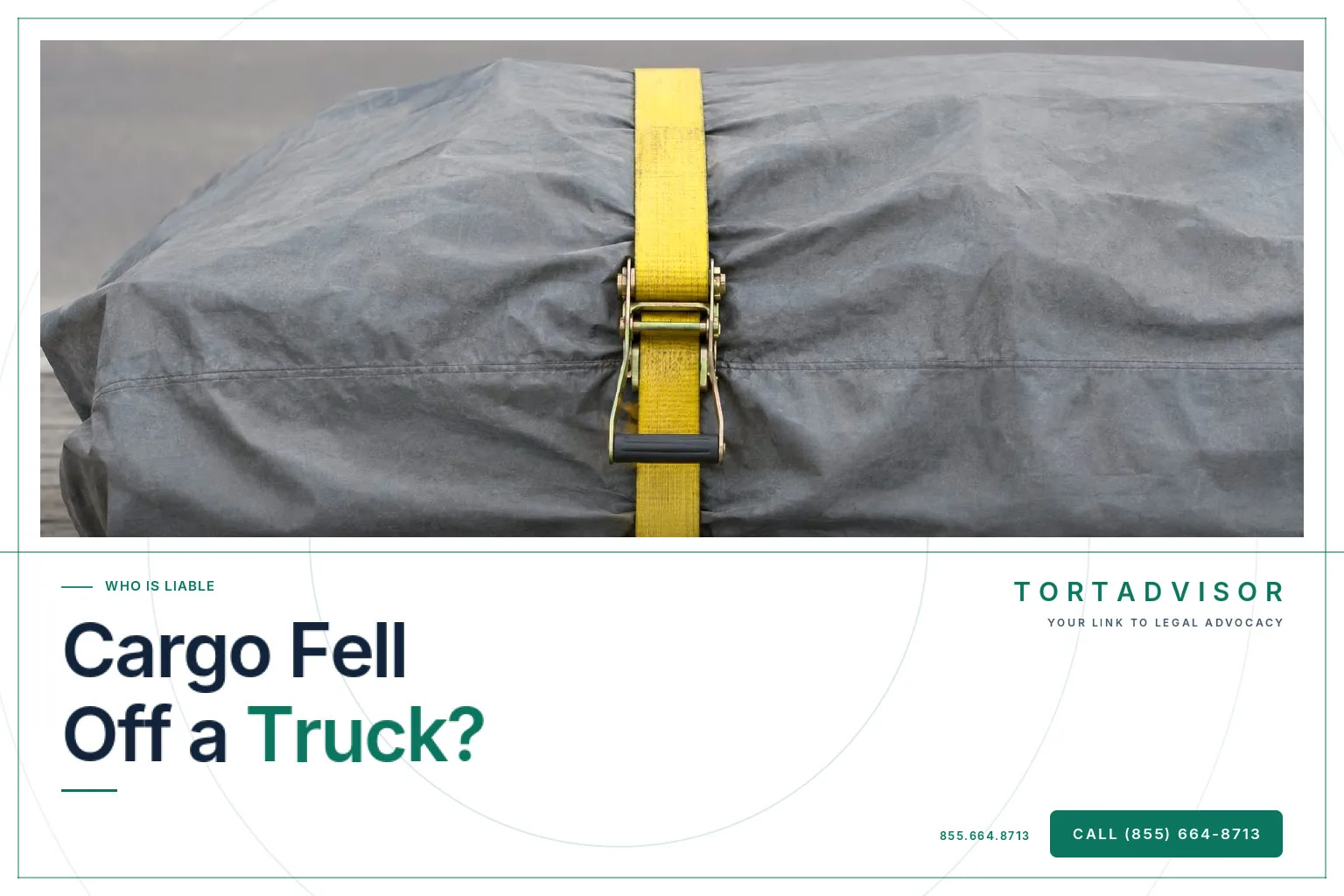
When cargo shifts, spills or falls from a truck, the driver, the motor carrier and the company that loaded the freight may each share responsibility. Here is how federal cargo securement rules and the evidence behind them shape who is liable.
Understand the difference between pursuing the driver and investigating an alcohol provider. This guide explains compensation, criminal-case evidence, and contrasting state liability rules.
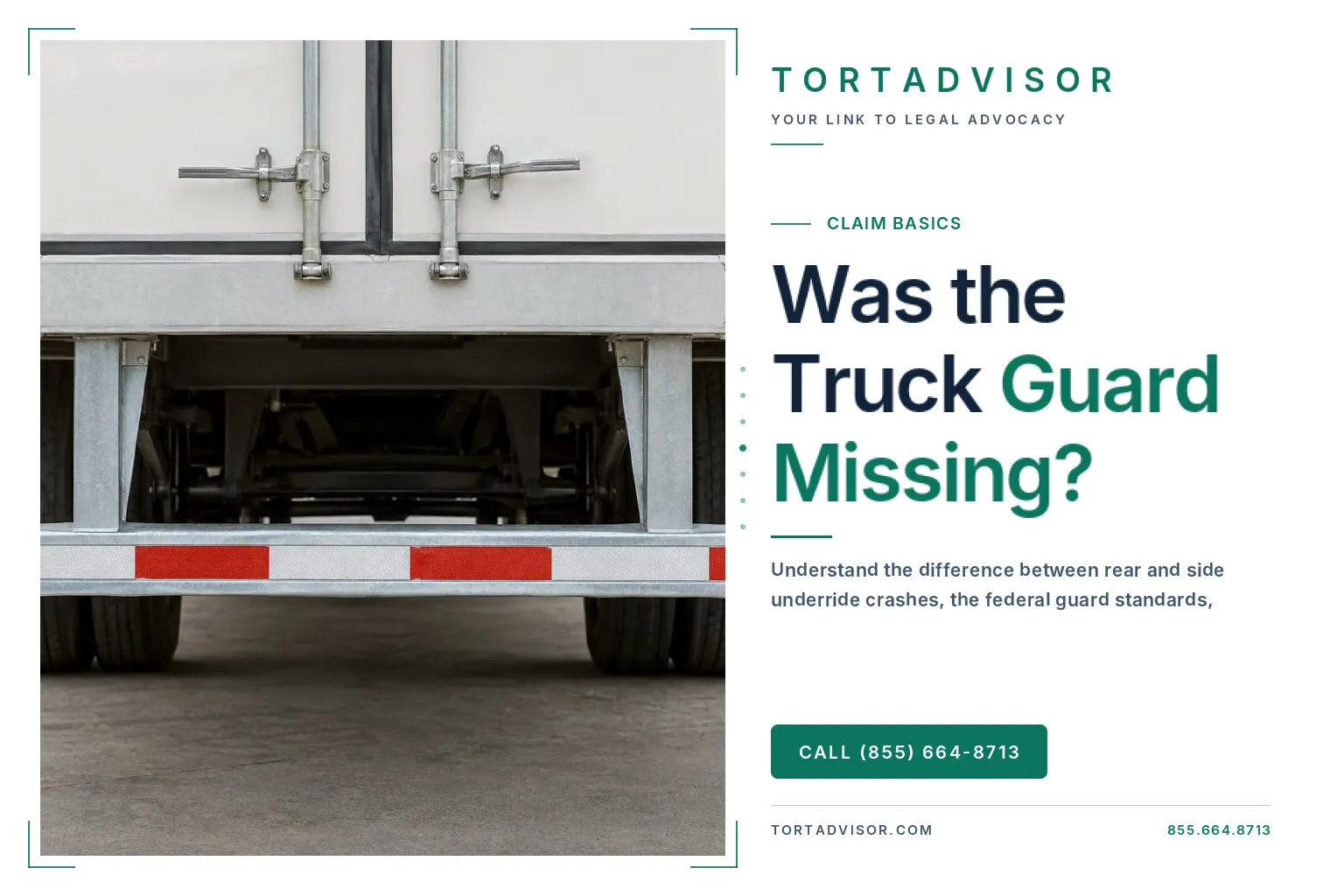
Understand the difference between rear and side underride crashes, the federal guard standards, and the evidence worth discussing during an injury-claim review.
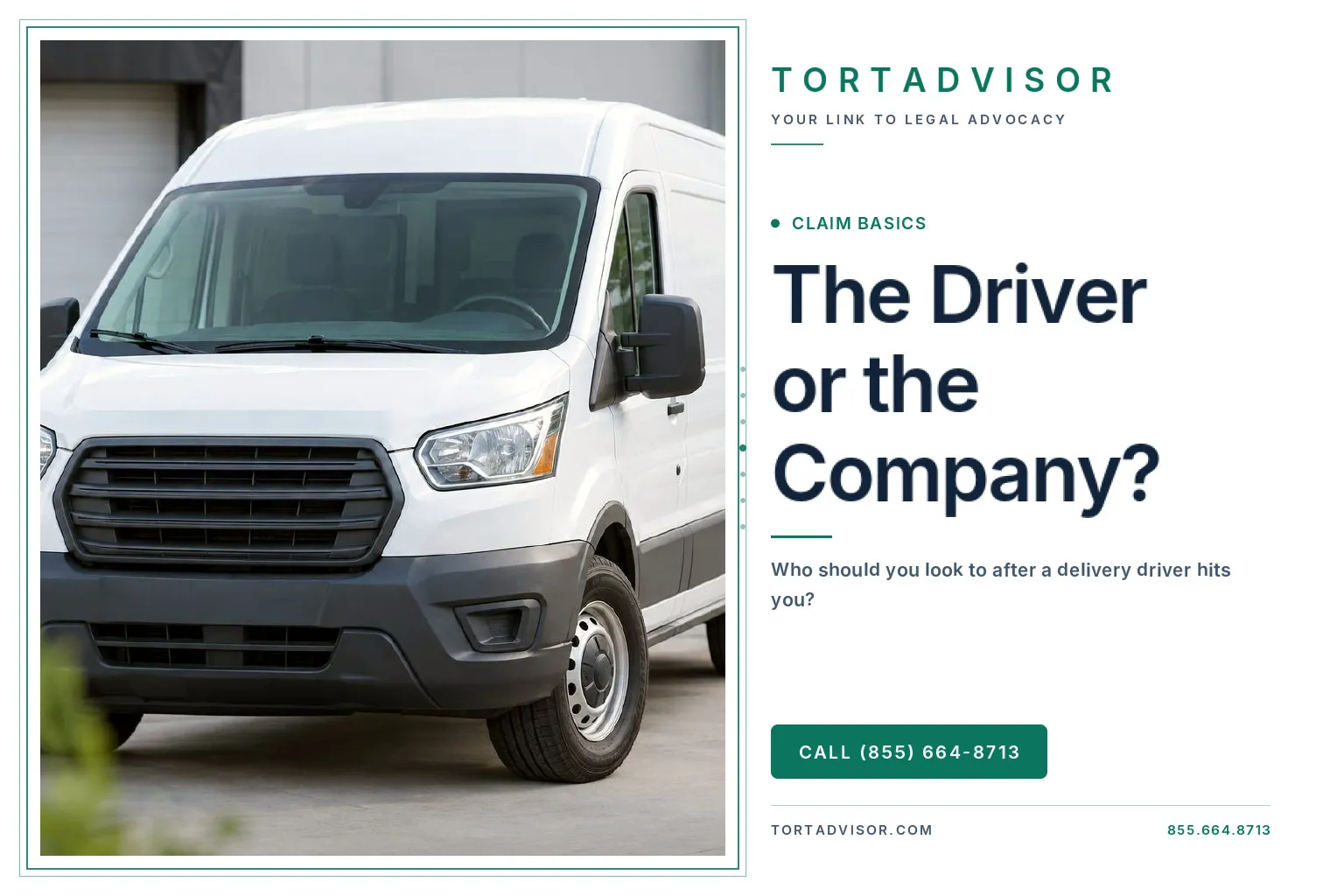
Who should you look to after a delivery driver hits you? This guide separates the driver, delivery business, contractor and vehicle-maintenance questions, then explains which records to gather for a claim review.
Not wearing a helmet and causing a collision are different questions. This guide compares selected state rules and explains how helmet-related injury evidence can affect a claim.
Was the other driver using a phone? Learn how a lawsuit can connect phone activity, video and witness testimony to the collision, with clearly labeled state-law examples.
Being behind another car does not answer every question about fault. Explore the evidence, front-driver conduct and state negligence rules that matter when evaluating rear-end accident liability.
Received lawsuit papers after a crash? Understand the questions to ask about your response deadline, insurance defense, policy limits, and your own injuries.
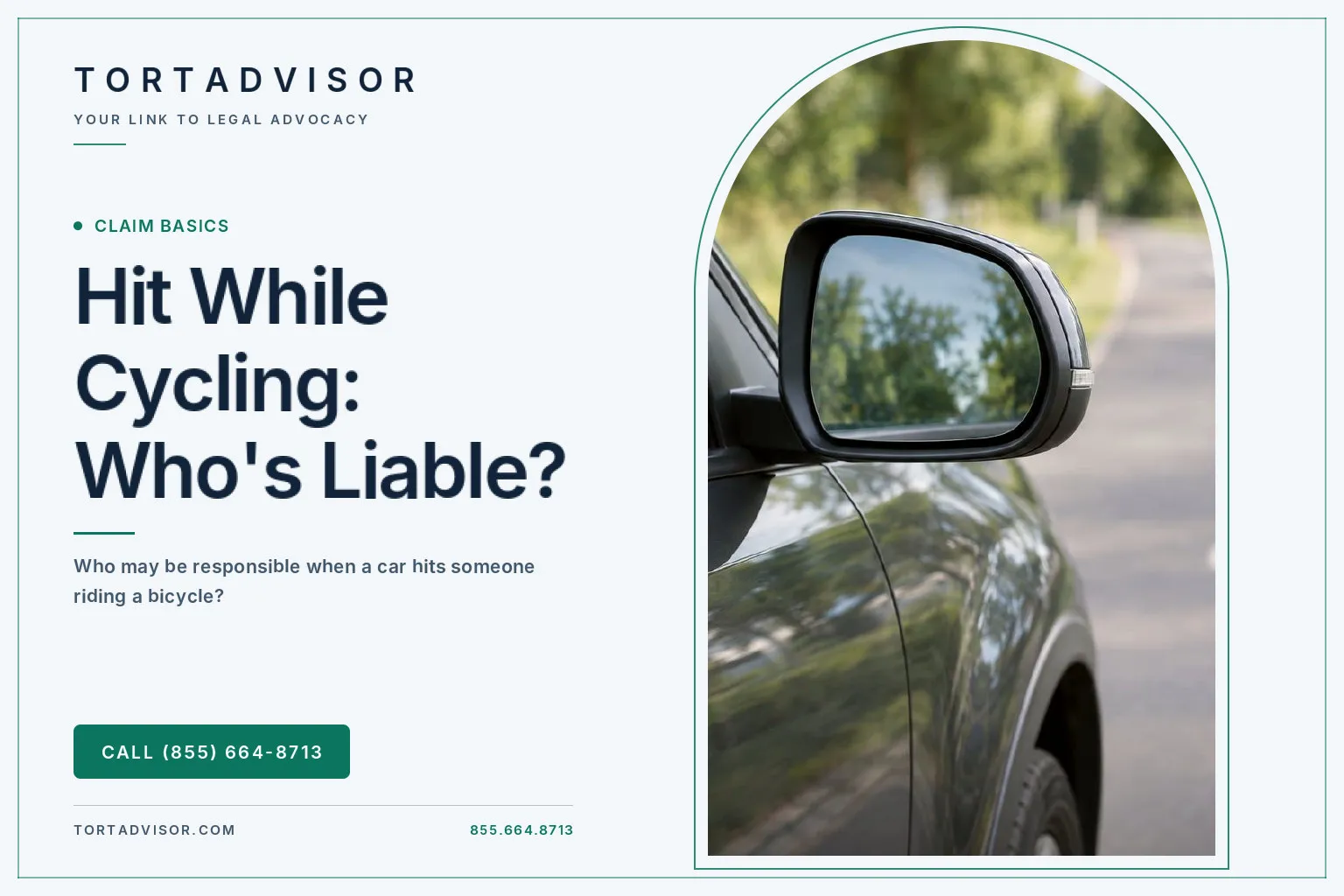
Who may be responsible when a car hits someone riding a bicycle? Explore liability, the evidence behind disputed fault, and clearly labeled state-law examples.
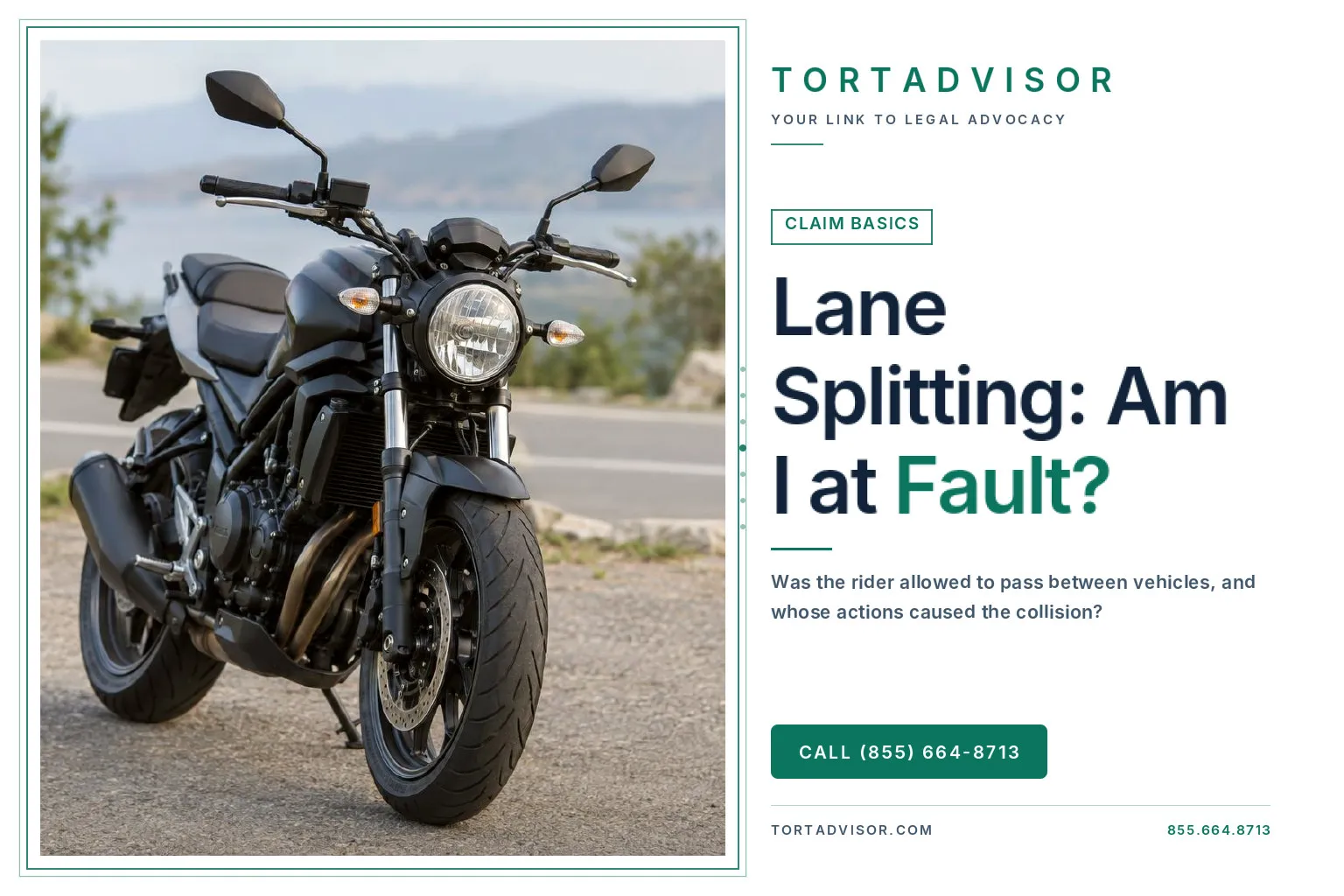
Was the rider allowed to pass between vehicles, and whose actions caused the collision? Explore those questions through statutory examples, a clearly labeled California shared-fault explanation and a practical evidence checklist.
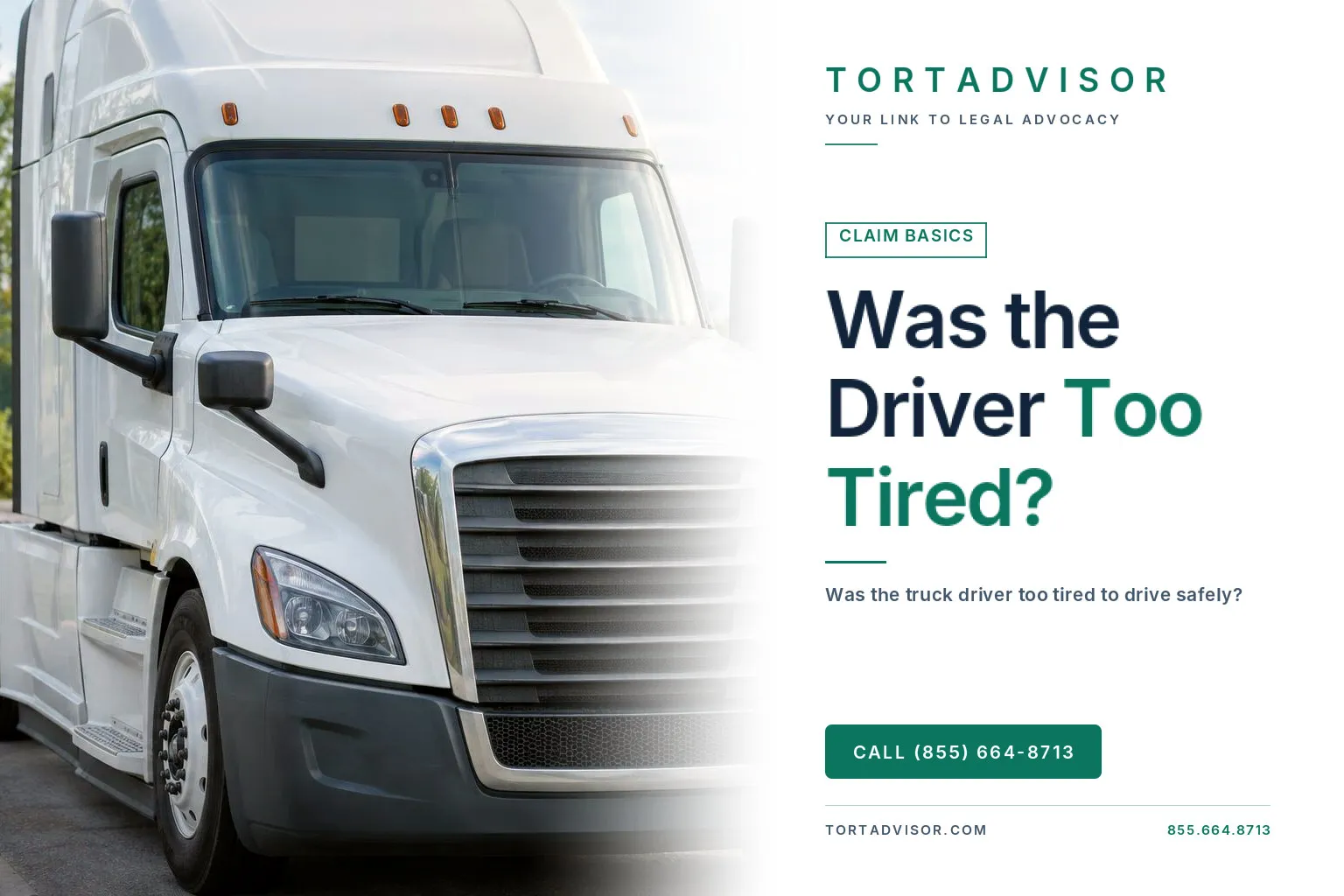
Was the truck driver too tired to drive safely? Understand the federal driving limits, which electronic records help reconstruct the driver's schedule, and the questions that connect those records to an injury claim.
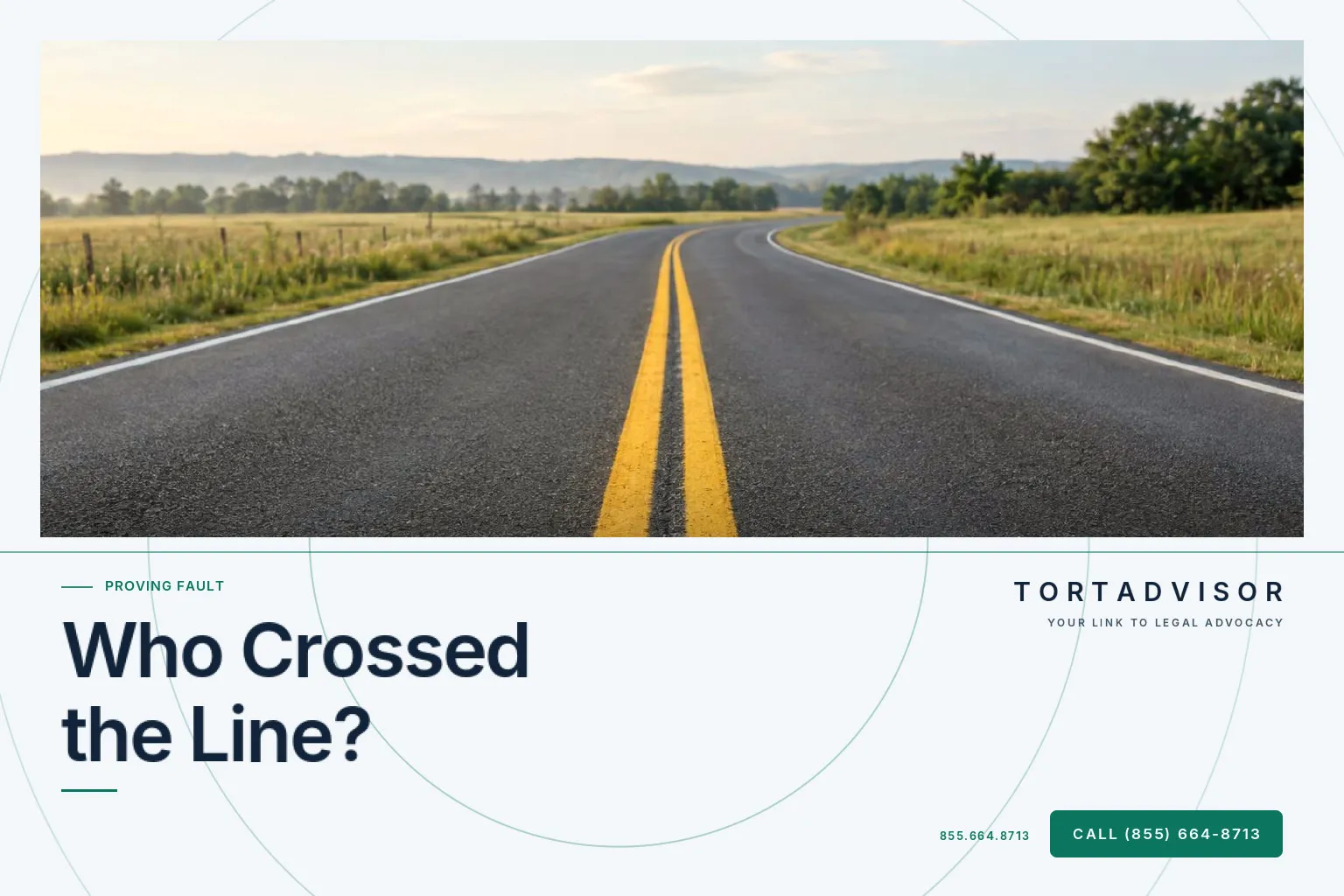
Head-on crashes usually happen when one driver crosses the centerline or goes the wrong way. This guide covers how fault gets proven, how shared fault can cut a recovery, and what injured people and families can claim.
Who caused the crash and which insurance applies are separate questions. This guide explains Uber and Lyft passenger coverage, competing sources of payment, and why a policy limit is not a promised payout.
A concussion claim needs more context than the diagnosis alone. Learn which medical and work records to gather and what questions to ask before discussing a settlement.
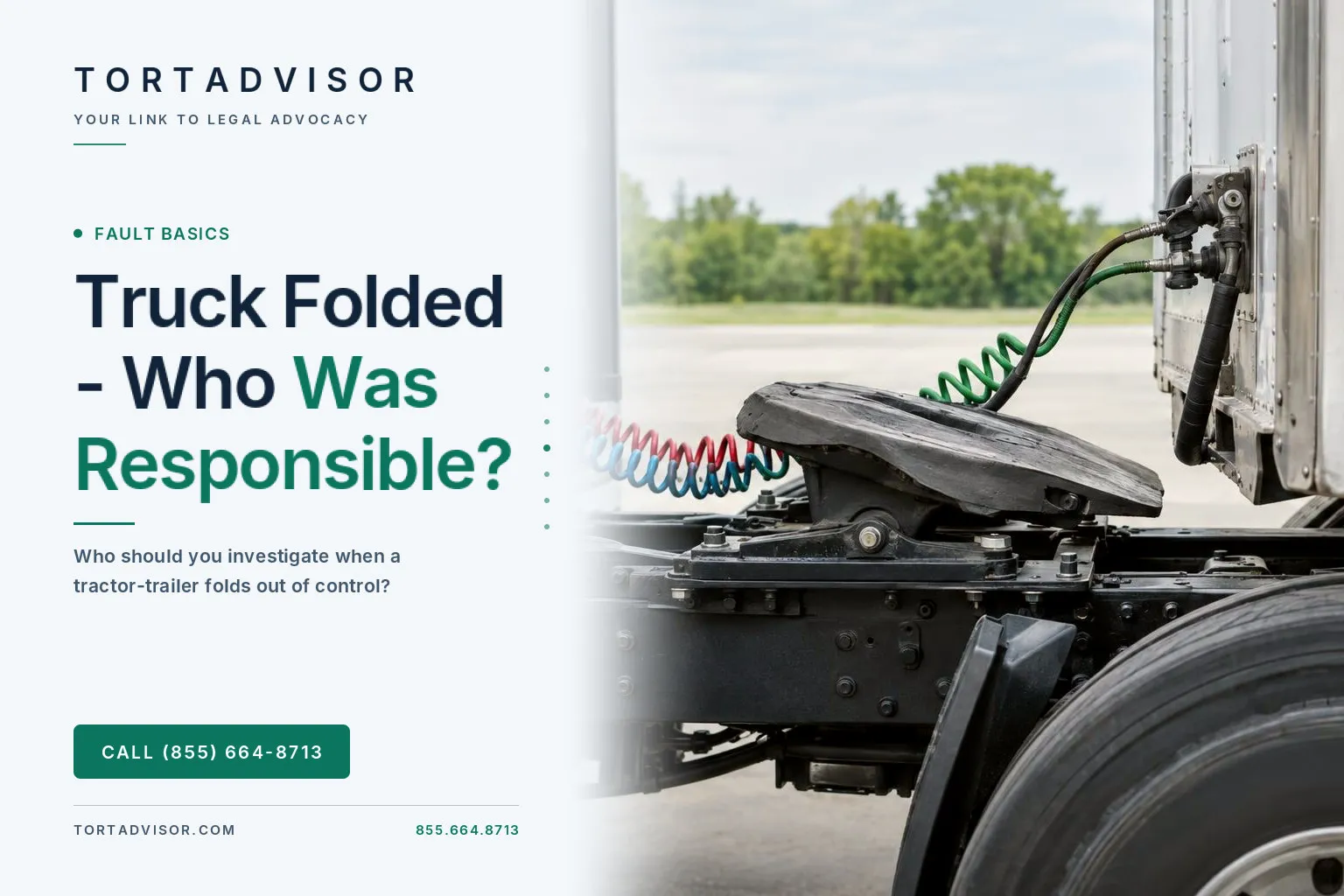
Who should you investigate when a tractor-trailer folds out of control? This guide connects questions about driving, cargo and maintenance with federal requirements and evidence to discuss during a case review.
Who had the right of way is the starting question—not simply whose vehicle struck the other. Explore intersection scenarios, evidence and clearly labeled state-law examples before researching compensation.
Key facts (as of October 2026)
- NHTSA estimates 36,640 traffic deaths in 2025, down 6.7 percent from 39,254 in 2024 (April 1, 2026).
- 2024 deaths included 7,080 pedestrians, 6,228 motorcyclists and 5,340 people in large-truck crashes (NHTSA).
- 15.4 percent of motorists were uninsured in 2023 (NAIC).
- Twelve states plus Puerto Rico have no-fault auto insurance (III).
- Interstate for-hire freight carriers must carry at least $750,000 in liability coverage (49 CFR 387.9).
Which claim type fits your crash
| Crash type | What is different | Guide |
|---|---|---|
| Car | State fault rules, no-fault PIP in some states, your own UM/UIM coverage | Car accident claims |
| Truck | Federal safety records; carrier, loader or repair shop may share liability; higher insurance minimums | Truck accident claims |
| Motorcycle | Far higher death and injury rates per mile; helmet laws differ by state | Motorcycle accident claims |
| Rideshare | The policy that pays depends on the driver's app status | Rideshare accident claims |
Families after a fatal crash can start with the wrongful death (MVA) guide; people hit while walking, the pedestrian accident guide.
What decides the value of a claim
Four questions shape most crash claims: how serious and well documented the injuries are, who was at fault and by how much, which state's rules apply, and how much insurance is available. Insurance is often the practical ceiling: the at-fault driver's liability policy, your own PIP or medical payments coverage, your uninsured or underinsured motorist coverage and, for commercial vehicles, the carrier's policy. The car accident settlement amounts page explains these factors without publishing averages.
Fault rules and insurance
States assign fault under pure comparative, modified comparative or contributory negligence, and the rules change: Florida moved to a modified rule in 2023, and New York adopted one for motor vehicle injury suits in 2026. In no-fault states your own personal injury protection pays first, and suing the other driver for pain and suffering requires a verbal or monetary injury threshold. The car accident claims guide compares the systems.
Deadlines (statutes of limitations vary by state)
A crash starts several clocks. The deadline to sue is set by state law and is separate from your policy's duty to report the crash promptly. A crash with a public vehicle can require a written notice of claim within months, a claim involving a federal vehicle must be presented to the agency within two years under 28 U.S.C. § 2401(b), and wrongful death claims follow their own statutes.
Evidence to keep
- The crash report number and responding agency.
- Photos of every vehicle, the scene and injuries.
- Every driver's insurance details and, for a commercial vehicle, the company name and USDOT number.
- Dashcam footage, and for rideshare crashes, screenshots of the trip.
When people hire a lawyer
People commonly bring in a lawyer when a truck, rideshare or government vehicle is involved, when several drivers or insurers blame each other, when injuries may exceed policy limits, or when their own insurer disputes an uninsured motorist claim. TortAdvisor is not a law firm.
Frequently asked questions
Who pays my medical bills after a crash?
In the twelve no-fault states, your own personal injury protection usually pays first, regardless of fault. Elsewhere, health insurance or optional medical payments coverage may pay first, and the at-fault driver's liability insurer is responsible when the claim resolves. If that driver is uninsured, your uninsured motorist coverage may step in. The order depends on your state and policies.
What if the at-fault driver has no insurance?
Your own uninsured motorist (UM) coverage may pay what you could have recovered from that driver, up to your policy limit, and underinsured motorist (UIM) coverage helps when the other driver's limits are too low. The NAIC reports 15.4 percent of motorists were uninsured in 2023. You still need to show fault and document your losses.
Is a truck or rideshare crash handled differently?
Yes. Truck crashes bring in federal safety rules and records, such as hours-of-service logs, and the trucking company can be responsible along with the driver. In rideshare crashes, the policy that pays depends on the driver's app status at the moment of impact. Both usually involve commercial insurers with higher limits than a personal auto policy.
Sources
Accident questions answered, with sources
Insurance and filing deadlines are short
Most states allow two or three years to file an injury lawsuit, and insurers and no-fault PIP require notice much sooner. Florida allows two years for negligence actions. Fla. Stat. 95.11
Free · Confidential · No obligation
Free Accident Case Review
Tell us what happened and a trained case advisor will review it. You choose whether you want to be contacted.
- 1Share the basicsThe crash, your injuries, treatment and insurance.
- 2A case advisor reviews itAgainst your state’s fault rules and deadline.
- 3You decide what happens nextNo cost and no obligation.
- Sourced to the dataTriple-I figures and state statutes
- Every answer is citedEach answer links its primary source
- Free and confidentialNo cost and no obligation to continue
- Not a law firmA trained case advisor makes the first contact
Prefer to talk it through?
TortAdvisor is not a law firm and does not give legal advice. A trained case advisor, not an attorney, may make the first contact. See our partner list and privacy policy.
Filter Posts
Browse by Category