
Motor vehicle accident claims cover injuries from car, truck, motorcycle and rideshare crashes, and most start with an insurance claim against the at-fault driver or your own policy. Value depends on injury severity, proof of fault, the state's fault and insurance rules, and policy limits. NHTSA counted 6,180,241 police-reported crashes in 2024.
Updates on Motor Vehicle Accident Claims
Who had the right of way is the starting question—not simply whose vehicle struck the other. Explore intersection scenarios, evidence and clearly labeled state-law examples before researching compensation.
Federal crash data shows a car turning left across a rider's path is one of the most common deadly motorcycle crash patterns. Here is how fault is usually sorted out, which evidence matters, and how shared-fault rules can change a claim.
Start with official sources for San Antonio crash updates, then learn how to interpret their limitations. This guide keeps live incident information separate from the records needed to research an injury claim.
A hospital stay raises practical questions about bills, missed work and continuing care. This California-focused guide explains the evidence behind injury compensation and distinguishes medical coverage from a damages claim.
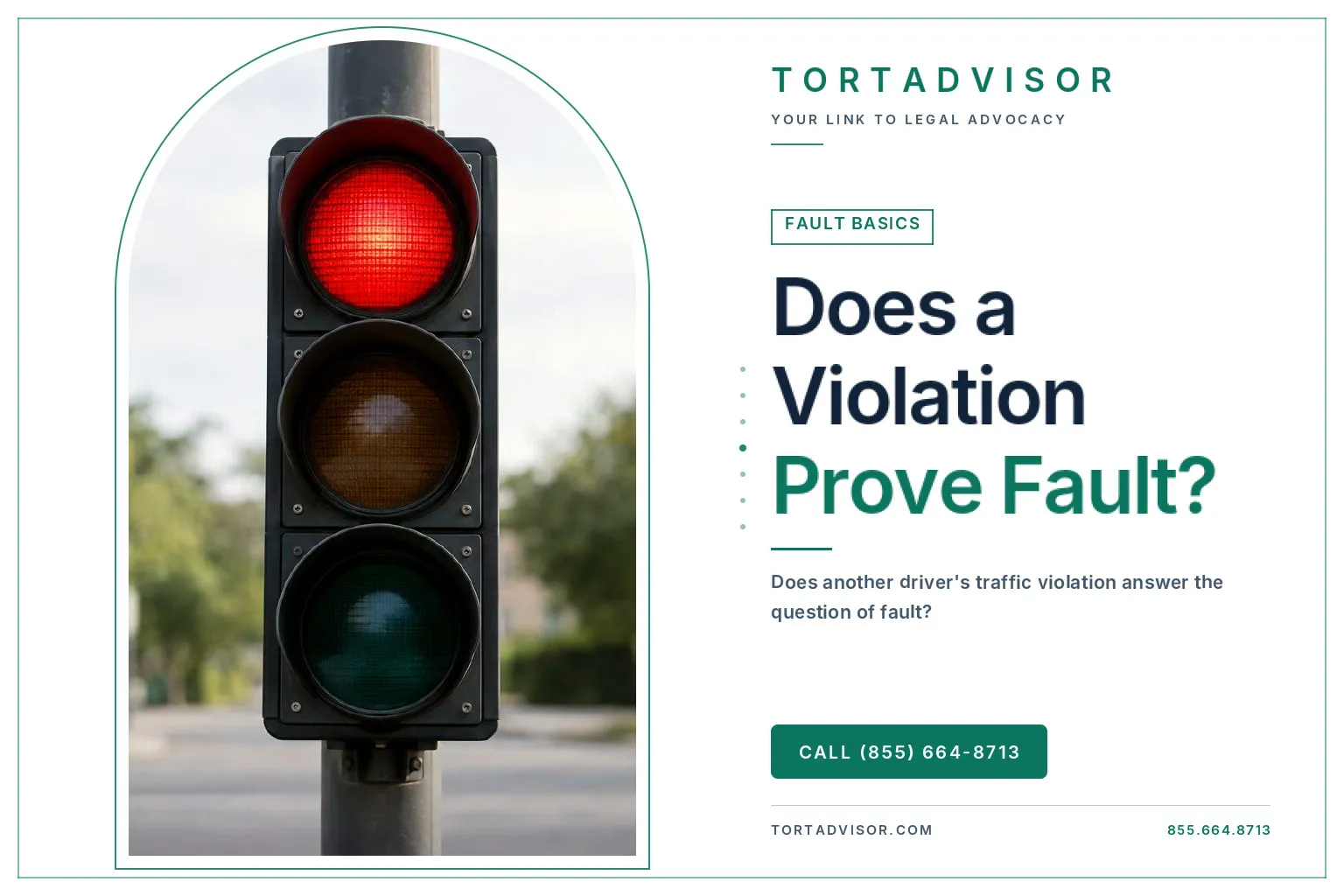
Does another driver's traffic violation answer the question of fault? This guide examines negligence per se through clearly labeled state examples, with attention to causation, exceptions and shared responsibility.

Confused by the wording after another driver left a crash? This guide compares official state examples and helps you organize questions about the incident, your records, and possible insurance coverage.

Si el seguro dice que usted tuvo parte de la culpa en el choque, eso no siempre termina su reclamo. Le explicamos en lenguaje sencillo cómo funciona la falla comparativa, en qué cambian las reglas según el estado y qué pasó en Florida en 2023.

Right of way is not a right to go. It is a legal duty to yield. Here is how yielding rules work at intersections and crosswalks, and why they matter when someone is hurt in a crash.

A plain-language guide to truck electronic evidence, the difference between engine-control data and electronic driving logs, and questions to ask after a crash.
Understand how to estimate driving speed from distance and elapsed time—and why a calculation needs context after a crash. Learn about unit conversions, stopping distance and vehicle-recorded evidence.

A practical checklist for collecting crash details and organizing medical, insurance and expense records. Start with safety, then use the record prompts when you are able.

Not sure whether you need to report unsafe trucking, challenge an insurance decision, or explore an injury claim? This guide explains the different routes and what information to prepare.

Explore the deadline, shared-fault and medical-expense questions to discuss before pursuing a Florida crash injury claim. This guide focuses on liability and compensation, not PIP benefit applications.
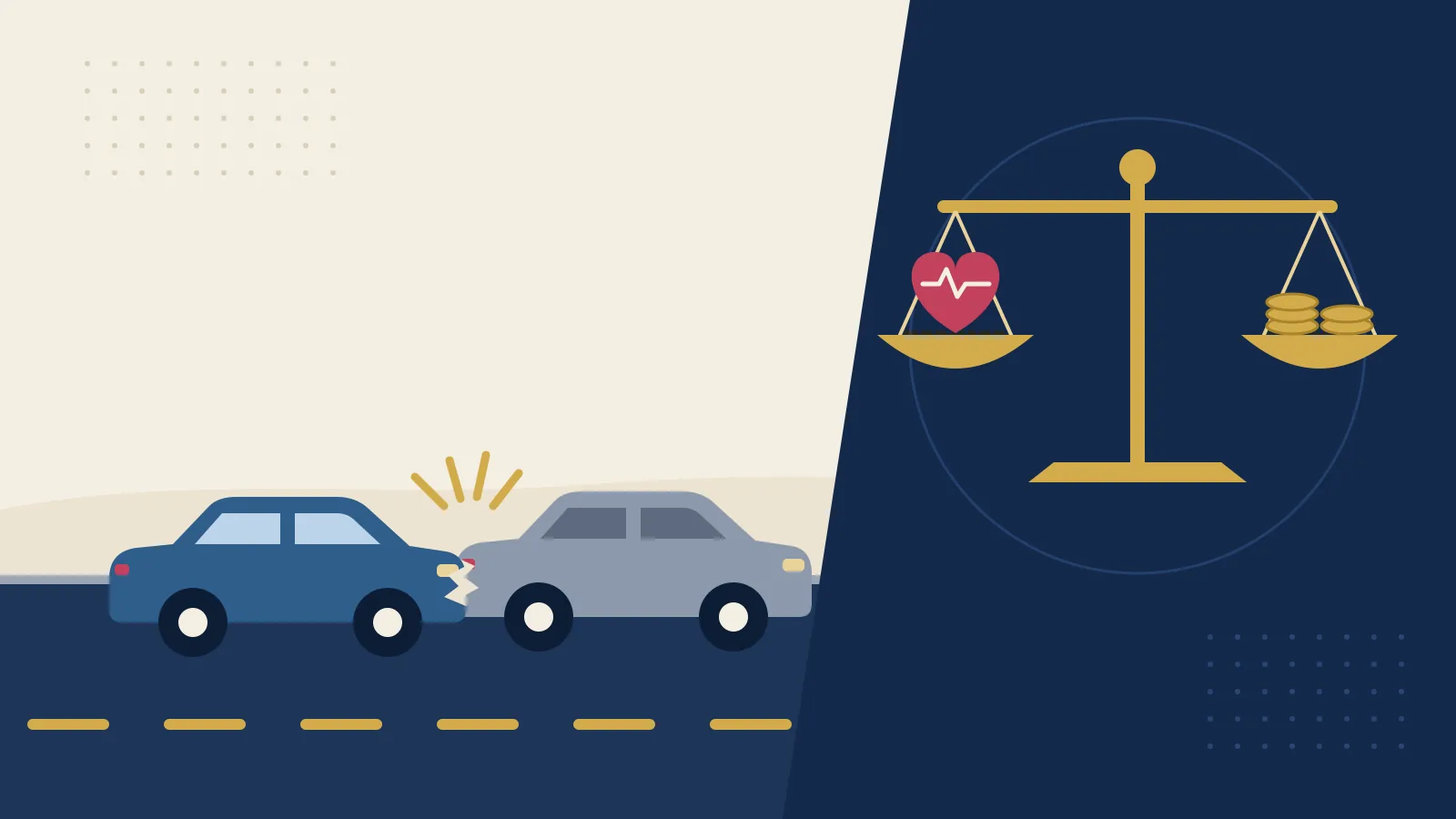
There is no formula for pain and suffering in a car accident. What jury instructions say, which no-fault states limit it, which states cap it, and how it is taxed, with every rule sourced.
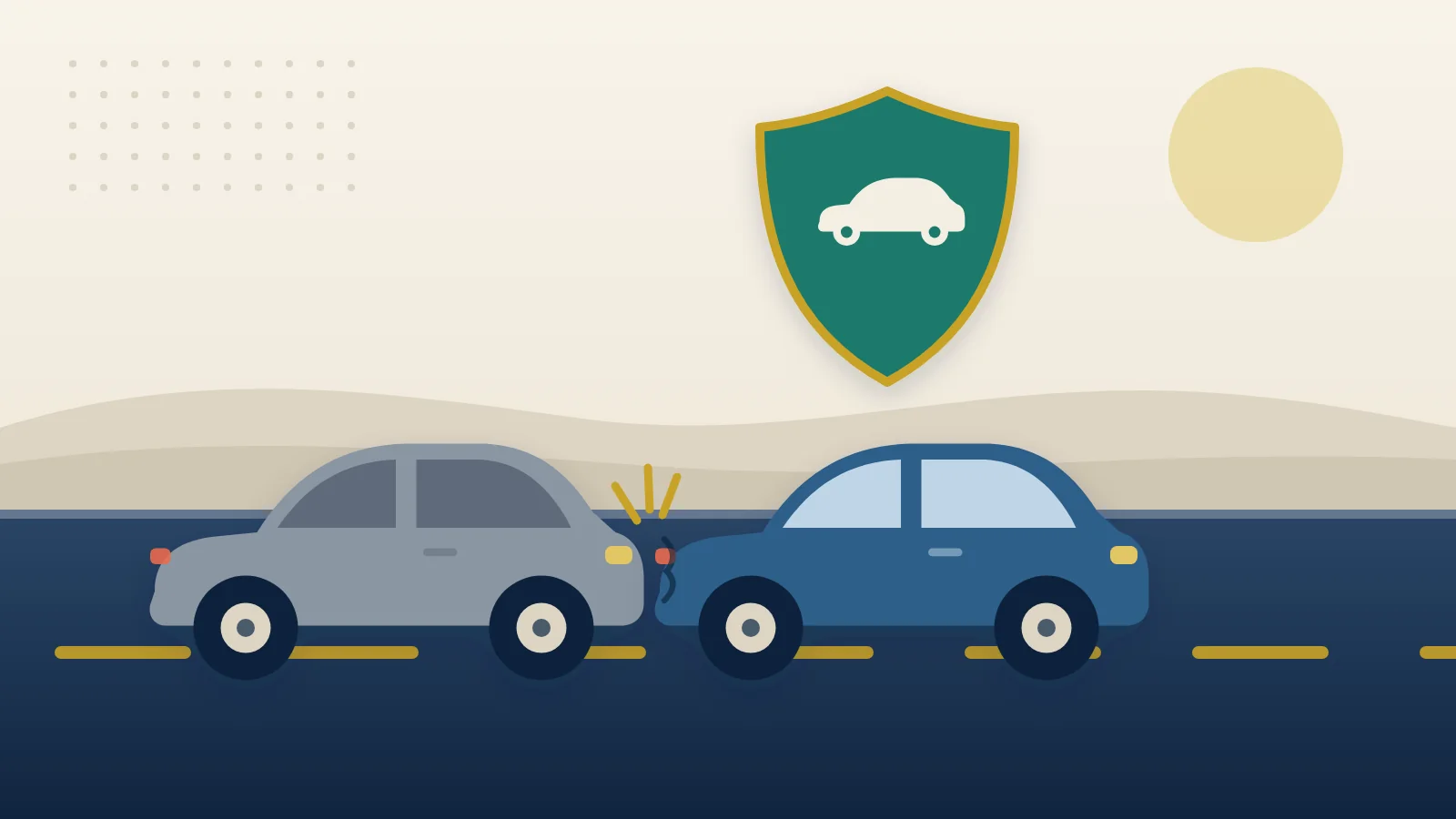
If an uninsured or underinsured driver hits you, the claim usually runs through your own policy. What UM and UIM coverage pay, how a claim works, hit-and-run rules and the deadlines to watch.
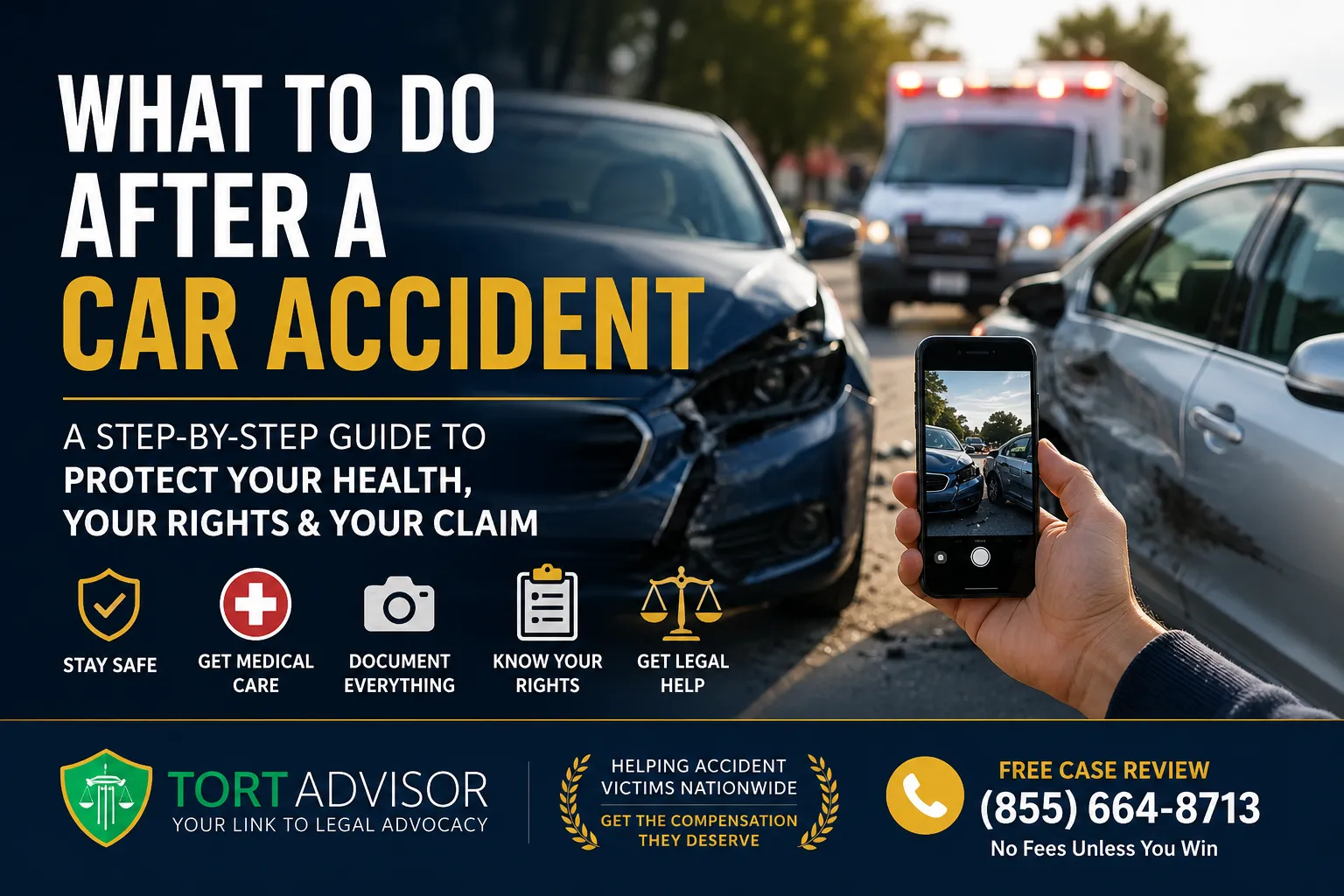
Involved in a crash? Follow this step-by-step guide on what to do after a car accident — from the scene to your settlement — to protect your health and your rights.
Key facts (as of October 2026)
- NHTSA estimates 36,640 traffic deaths in 2025, down 6.7 percent from 39,254 in 2024 (April 1, 2026).
- 2024 deaths included 7,080 pedestrians, 6,228 motorcyclists and 5,340 people in large-truck crashes (NHTSA).
- 15.4 percent of motorists were uninsured in 2023 (NAIC).
- Twelve states plus Puerto Rico have no-fault auto insurance (III).
- Interstate for-hire freight carriers must carry at least $750,000 in liability coverage (49 CFR 387.9).
Which claim type fits your crash
| Crash type | What is different | Guide |
|---|---|---|
| Car | State fault rules, no-fault PIP in some states, your own UM/UIM coverage | Car accident claims |
| Truck | Federal safety records; carrier, loader or repair shop may share liability; higher insurance minimums | Truck accident claims |
| Motorcycle | Far higher death and injury rates per mile; helmet laws differ by state | Motorcycle accident claims |
| Rideshare | The policy that pays depends on the driver's app status | Rideshare accident claims |
Families after a fatal crash can start with the wrongful death (MVA) guide; people hit while walking, the pedestrian accident guide.
What decides the value of a claim
Four questions shape most crash claims: how serious and well documented the injuries are, who was at fault and by how much, which state's rules apply, and how much insurance is available. Insurance is often the practical ceiling: the at-fault driver's liability policy, your own PIP or medical payments coverage, your uninsured or underinsured motorist coverage and, for commercial vehicles, the carrier's policy. The car accident settlement amounts page explains these factors without publishing averages.
Fault rules and insurance
States assign fault under pure comparative, modified comparative or contributory negligence, and the rules change: Florida moved to a modified rule in 2023, and New York adopted one for motor vehicle injury suits in 2026. In no-fault states your own personal injury protection pays first, and suing the other driver for pain and suffering requires a verbal or monetary injury threshold. The car accident claims guide compares the systems.
Deadlines (statutes of limitations vary by state)
A crash starts several clocks. The deadline to sue is set by state law and is separate from your policy's duty to report the crash promptly. A crash with a public vehicle can require a written notice of claim within months, a claim involving a federal vehicle must be presented to the agency within two years under 28 U.S.C. § 2401(b), and wrongful death claims follow their own statutes.
Evidence to keep
- The crash report number and responding agency.
- Photos of every vehicle, the scene and injuries.
- Every driver's insurance details and, for a commercial vehicle, the company name and USDOT number.
- Dashcam footage, and for rideshare crashes, screenshots of the trip.
When people hire a lawyer
People commonly bring in a lawyer when a truck, rideshare or government vehicle is involved, when several drivers or insurers blame each other, when injuries may exceed policy limits, or when their own insurer disputes an uninsured motorist claim. TortAdvisor is not a law firm.
Frequently asked questions
Who pays my medical bills after a crash?
In the twelve no-fault states, your own personal injury protection usually pays first, regardless of fault. Elsewhere, health insurance or optional medical payments coverage may pay first, and the at-fault driver's liability insurer is responsible when the claim resolves. If that driver is uninsured, your uninsured motorist coverage may step in. The order depends on your state and policies.
What if the at-fault driver has no insurance?
Your own uninsured motorist (UM) coverage may pay what you could have recovered from that driver, up to your policy limit, and underinsured motorist (UIM) coverage helps when the other driver's limits are too low. The NAIC reports 15.4 percent of motorists were uninsured in 2023. You still need to show fault and document your losses.
Is a truck or rideshare crash handled differently?
Yes. Truck crashes bring in federal safety rules and records, such as hours-of-service logs, and the trucking company can be responsible along with the driver. In rideshare crashes, the policy that pays depends on the driver's app status at the moment of impact. Both usually involve commercial insurers with higher limits than a personal auto policy.
Sources
Filter Posts
Browse by Category