
Personal injury claims seek compensation when someone else's carelessness, an unsafe property or a defective product causes harm, and many are resolved through insurance without a lawsuit. Value usually turns on medical proof, fault, state law and the insurance available. The scale is large: CDC counted 197,449 unintentional-injury deaths in the United States in 2024.
Updates on Personal Injury Claims
A concussion claim needs more context than the diagnosis alone. Learn which medical and work records to gather and what questions to ask before discussing a settlement.

Who should you investigate when a tractor-trailer folds out of control? This guide connects questions about driving, cargo and maintenance with federal requirements and evidence to discuss during a case review.
Who had the right of way is the starting question—not simply whose vehicle struck the other. Explore intersection scenarios, evidence and clearly labeled state-law examples before researching compensation.
Federal crash data shows a car turning left across a rider's path is one of the most common deadly motorcycle crash patterns. Here is how fault is usually sorted out, which evidence matters, and how shared-fault rules can change a claim.
Start with official sources for San Antonio crash updates, then learn how to interpret their limitations. This guide keeps live incident information separate from the records needed to research an injury claim.
A hospital stay raises practical questions about bills, missed work and continuing care. This California-focused guide explains the evidence behind injury compensation and distinguishes medical coverage from a damages claim.
Does another driver's traffic violation answer the question of fault? This guide examines negligence per se through clearly labeled state examples, with attention to causation, exceptions and shared responsibility.

Organice los gastos y las preguntas que necesita revisar antes de estimar una posible compensación. Una guía para distinguir un subtotal documentado de una predicción de acuerdo.

Confused by the wording after another driver left a crash? This guide compares official state examples and helps you organize questions about the incident, your records, and possible insurance coverage.
A burning face mask raises questions about both care and product safety. This guide separates the documented Yes To recall from unverified injury claims and helps parents prepare questions for a medical or legal review.

Si el seguro dice que usted tuvo parte de la culpa en el choque, eso no siempre termina su reclamo. Le explicamos en lenguaje sencillo cómo funciona la falla comparativa, en qué cambian las reglas según el estado y qué pasó en Florida en 2023.
Two national scorecards put Texas near the bottom for nursing home quality. Here is what those scorecards measure, what they don't, how to report concerns in Texas, and which legal deadline applies.

¿Eres veterano y tienes un reclamo por lesiones? Te explicamos qué partes de tu expediente militar y de tus registros del VA puede pedir la otra parte, qué reglas federales los protegen y qué han dicho los tribunales sobre pedir el expediente completo.
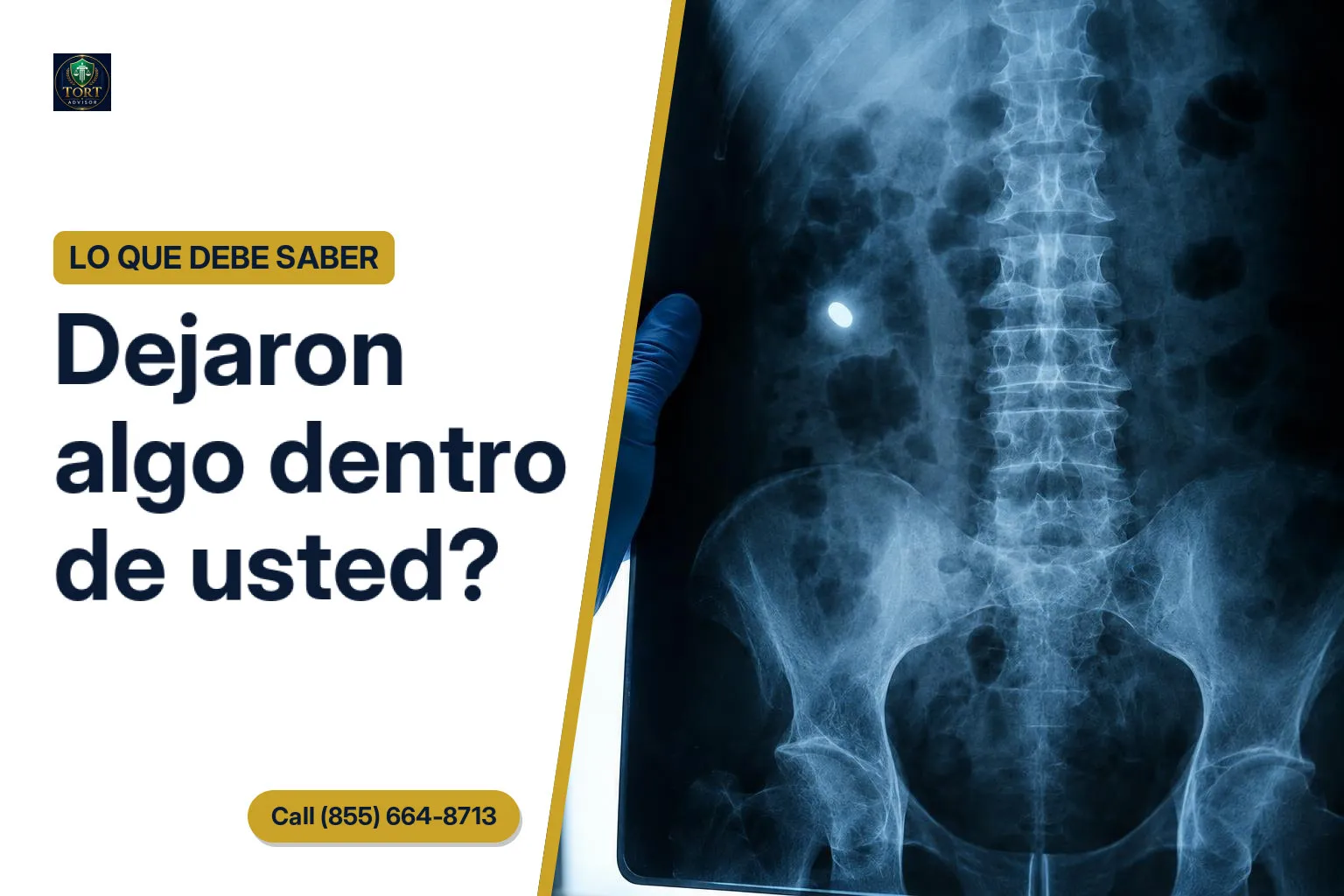
Si encontraron una esponja, una pinza o un fragmento de tubo dentro de su cuerpo después de un procedimiento médico en Florida, la ley trata ese hallazgo de una forma especial. Aquí explicamos en lenguaje sencillo qué cubre la regla, qué decidió la Corte Suprema de Florida y qué plazos debe vigilar.

Right of way is not a right to go. It is a legal duty to yield. Here is how yielding rules work at intersections and crosswalks, and why they matter when someone is hurt in a crash.

A plain-language guide to truck electronic evidence, the difference between engine-control data and electronic driving logs, and questions to ask after a crash.
Key facts (as of October 2026)
- Emergency departments logged 26.2 million unintentional-injury visits in 2022 (CDC).
- Traffic crashes injured an estimated 2,422,195 people in 2024 (NHTSA, April 2026).
- About 38.8 million people sought care in 2024 for injuries related to, though not necessarily caused by, consumer products (CPSC).
- Filing deadlines vary: three years for most New York injury suits, two years for Florida negligence claims arising after March 24, 2023.
- Government claims move faster: 90 days for a New York municipal notice of claim, two years to present a federal tort claim.
What this category covers
A personal injury claim asks whoever caused an injury, usually through an insurer, to pay for the losses. This category gathers TortAdvisor's guides to motor vehicle accident claims, product liability claims and choosing a personal injury attorney. Coordinated drug, device and toxic-exposure cases sit under mass tort lawsuits.
What decides the value of a claim
- Injury: the diagnosis, treatment and any lasting impairment.
- Fault: proof that someone's carelessness, or a product defect, caused the harm.
- Damages: medical bills and lost income, plus pain and suffering, subject to any state caps or thresholds.
- Insurance: policy limits are often the practical ceiling on recovery.
TortAdvisor publishes no average payouts, because no official dataset supports one; the settlement data methodology explains which recorded figures the site does publish.
Fault rules and insurance
Most states reduce compensation by the injured person's own share of fault, and many bar recovery at a 50 or 51 percent threshold; Florida adopted a more-than-50-percent bar in 2023. Alabama, Maryland, North Carolina, Virginia and the District of Columbia apply contributory negligence, where any fault can bar recovery. In car crashes, no-fault insurance states add another layer.
Deadlines (statutes of limitations vary by state)
A statute of limitations bars a lawsuit once its period ends, and the clock may start at the injury or when it was, or should have been, discovered (Cornell LII). New York allows three years for most injury suits under CPLR 214; Florida allows two for negligence claims arising after March 24, 2023. A tort claim against the United States must reach the agency within two years under 28 U.S.C. § 2401(b).
Evidence to keep
- Medical records, bills and a list of every provider.
- Photos, video and the police or incident report.
- Witness contact details and pay records showing missed work.
- Insurer letters and, if a defect is suspected, the product itself.
When people hire a lawyer
People commonly consult a lawyer when injuries are serious or lasting, fault is disputed, several insurers are involved, a government body may be responsible or a deadline is near. TortAdvisor is not a law firm and does not give legal advice.
Frequently asked questions
Do I have to file a lawsuit to get compensation?
No. Many personal injury claims are settled with an insurer without a lawsuit being filed. A lawsuit usually becomes necessary when fault, causation or the value of the losses is disputed, when an insurer will not pay what the evidence supports, or when the filing deadline is close. Filing preserves the claim; it does not guarantee any recovery.
How long do I have to make a personal injury claim?
It depends on the state, the type of claim and who is responsible. New York allows three years for most injury suits, and Florida two years for negligence claims arising after March 24, 2023. Claims against cities, counties or federal agencies need written notice much sooner, so check the rule for your state and claim type.
Does TortAdvisor publish average settlement amounts?
No. No official national dataset records what individual injury claims pay, and averages repeated in advertising are not reliable. TortAdvisor publishes a dollar figure only when a court record, settlement administrator, government agency or company filing supports it, and links to that record. The car and truck calculators organize the factors that affect value rather than predicting a payout.
Sources
Filter Posts
Browse by Category