
Negligence Per Se Car Accident Claims: What Proves Fault?
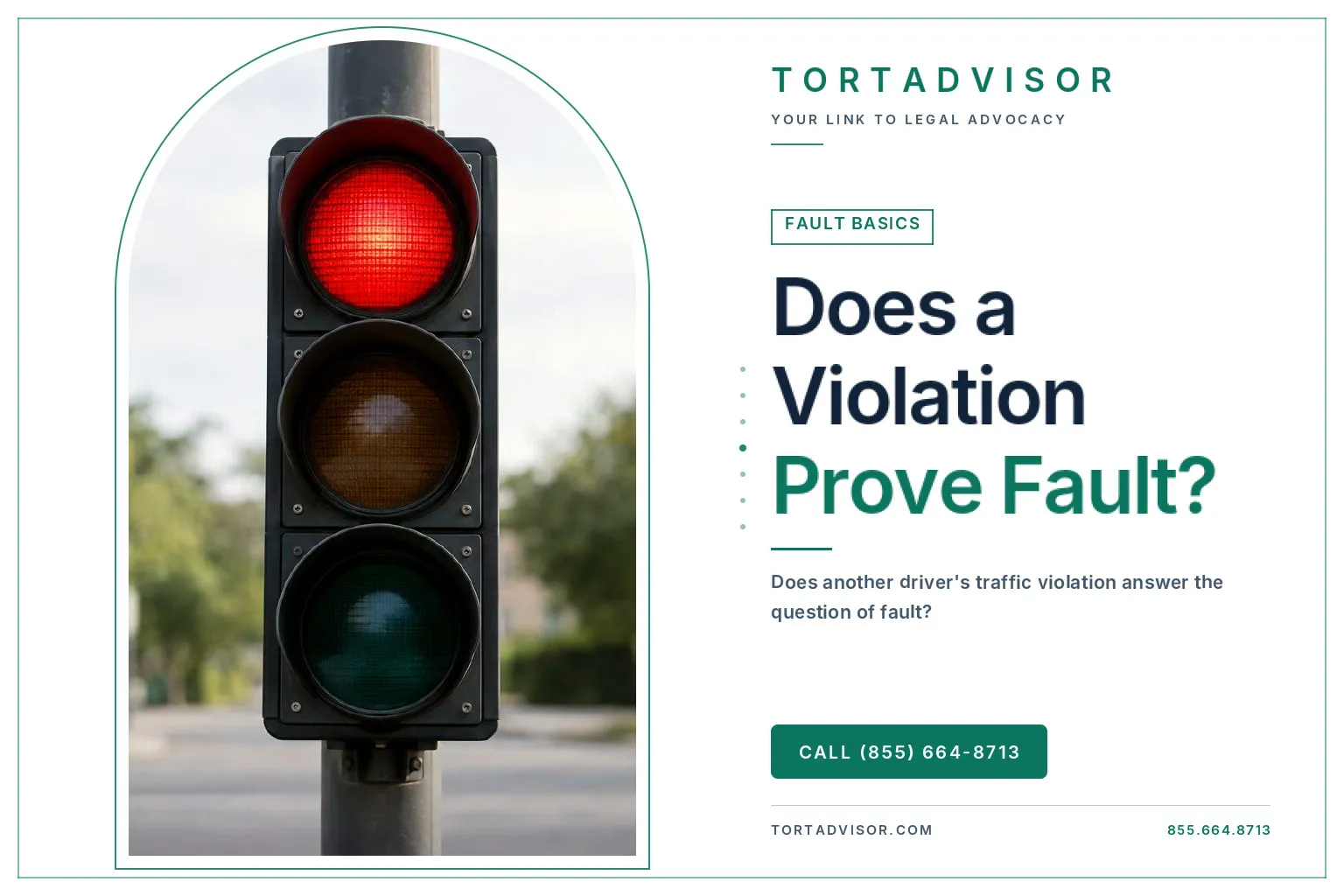
Not necessarily—breaking a traffic law does not automatically settle fault for a crash, and Washington’s statute distinguishes between violations that are evidence of negligence and those that constitute negligence per se. In a negligence per se car accident claim, causation still matters: California’s jury instructions, for example, require proof that the violation was a substantial factor in causing harm, along with other conditions for a presumption of negligence.
This article explains how to identify the rule involved in a red-light, speeding, texting or DUI crash; why state law matters; and what to examine about causation, injuries, possible excuses and shared fault. It also offers questions to organize before evaluating your own crash.
What negligence per se means after a car accident
A traffic-law violation may help prove fault, but its significance depends on the applicable state rule and its connection to your injury. See the labeled state comparison below: California and Washington illustrate why a violation does not have the same effect everywhere.
Find out if you may have a claim
Answer a few questions and a trained case advisor will review your situation — most people finish in about a minute.
- Free — no cost, no obligation
- About a minute to complete
- Reviewed by a trained case advisor
- Nothing you submit is published
Your details are sent over a secure connection and reviewed confidentially.
State comparison: California and Washington
- California—reasonable care versus a statutory presumption. Ordinary negligence asks whether a driver failed to use reasonable care—for example, by doing something a reasonably careful person would not do in the same situation. Negligence per se provides a different route to establishing negligence through a legal violation. The statutory-presumption framework requires a violation, a causal connection between that violation and the harm, an injury of the kind the law was designed to prevent, and an injured person within the class the law was designed to protect. A violation alone is therefore not enough. The presumption does not establish every element of liability: the claim still requires harm and proof that the driver’s negligence was a substantial factor in causing it. See California’s CACI instructions 400, 401 and 418.
- Washington—generally evidence, with an express DUI exception. A statutory violation generally may be considered evidence of negligence rather than negligence per se. However, the statute expressly treats breaches of duties relating to driving under the influence as negligence per se. These distinctions come from Washington’s rule on statutory violations, not a nationwide standard.
For broader context as you organize your collision-related questions, TortAdvisor’s overview of car accident injury claims is a useful next step.
Red lights, speeding, texting and DUI: identify the actual rule
Start with the specific traffic rule—not just a label such as “running a red light” or “distracted driving.” The details of the driver’s conduct matter when comparing a crash with the rule’s requirements and exceptions.
Washington examples: The legislature’s Washington vehicle-code provisions on signals, speed, electronic devices and DUI distinguish these situations:
- Red signals—RCW 46.61.055(3): This provision addresses stopping at red signals and permits certain turns after stopping, subject to restrictions and yielding requirements. Hypothetical: A driver turns right at a red light before a collision. Did the driver stop, was the turn permitted, and did the driver yield as required? The turn alone does not answer those questions.
- Speed—RCW 46.61.400: The rule addresses both lawful maximum speeds and whether a speed is reasonable and prudent under existing conditions. Hypothetical: A driver travels below the posted limit on a rain-soaked road. The posted limit is not the only consideration; conditions also matter.
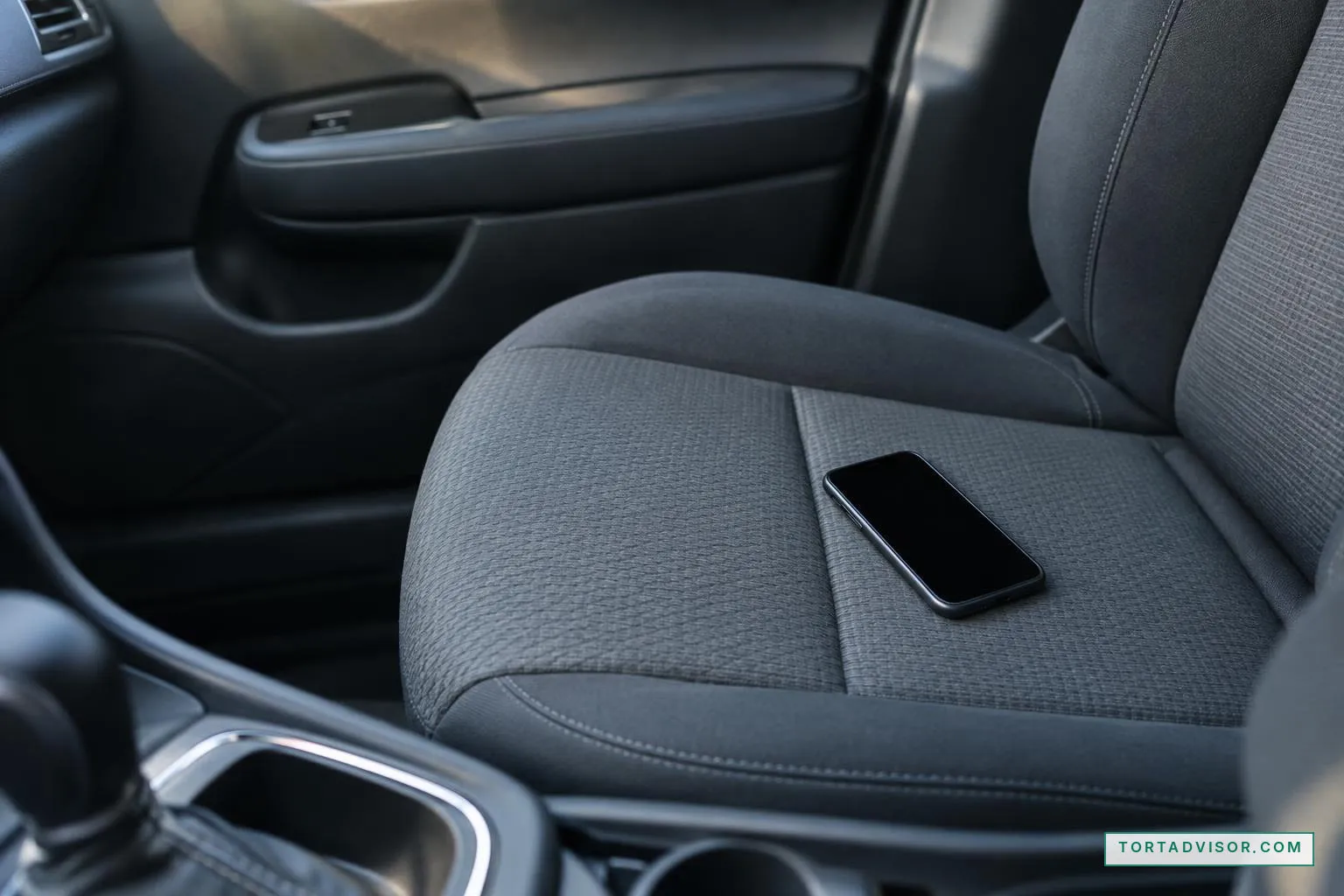
- Electronic devices—RCW 46.61.672: This provision covers handheld-device use, including texting, subject to statutory definitions and exceptions. Hypothetical: A witness sees a driver interacting with a phone before impact. What the driver was doing—and whether an exception applied—matters; not every phone interaction is prohibited.
- DUI—RCW 46.61.502: This provision defines driving under the influence. Hypothetical: A driver is suspected of impairment after a crash. The question is what evidence establishes the statutory conditions, not merely whether someone described the driver as impaired.
Identifying the applicable provision comes first. What a proven violation means for a civil claim is a separate question.
Why a violation can mean different things in different states
A traffic-rule violation does not have the same civil effect in every state. Under RCW 5.40.050 on statutory violations and negligence per se, Washington generally treats breach of a statutory duty as evidence of negligence—not negligence per se. Applied to the traffic examples above, a red-light, speeding or electronic-device violation generally falls on the evidence-of-negligence side. But the statute expressly makes an exception for duties relating to driving under the influence: breach of those duties is negligence per se.
That distinction matters when organizing a crash claim. In Washington, grouping texting and DUI together simply as “illegal driving” misses the different treatment the statute gives them. Identifying the actual duty is therefore more useful than relying on the broad label “traffic violation.”
Do not carry the California analysis from the preceding section into a Washington claim—or assume Washington’s approach applies elsewhere. Instead, keep two questions separate: Which rule did the driver allegedly violate? And how does the applicable state law treat that violation in a civil negligence claim?
What still needs proof: causation, injury and possible excuses
Proving that a driver broke a traffic rule is not the same as proving that the violation caused your injury. In California, a claim still requires proof of harm and that the relevant conduct was a substantial factor in causing it. A violation may also be excused under specified circumstances; merely alleging an emergency does not automatically establish an excuse. And failing to establish negligence per se does not necessarily defeat an ordinary-negligence claim. These distinctions appear in CACI instructions 400, 418 and 420 on harm, causation and excused violations.
Hypothetical: You believe the other driver was using a phone before impact. Separate that allegation from the collision sequence: where each vehicle was, what movements you observed, and when contact occurred. Then describe your injuries and treatment separately. This helps distinguish what you know firsthand from what still needs investigation.
Organize what you have
- Alleged conduct: Write down what you believe the driver did and the basis for that belief.
- Collision sequence: Describe the vehicles’ positions, movements and point of impact. Mark uncertainties rather than filling in gaps.
- Available materials: List photographs, witness names and contact information, and treatment records. Note what is missing or has not yet been obtained.
This is a preparation checklist, not a conclusion about whether any item will be admissible or how much weight it will carry. For the broader process beyond identifying a traffic violation, see what to know about a car accident civil suit.
How shared fault can affect the analysis
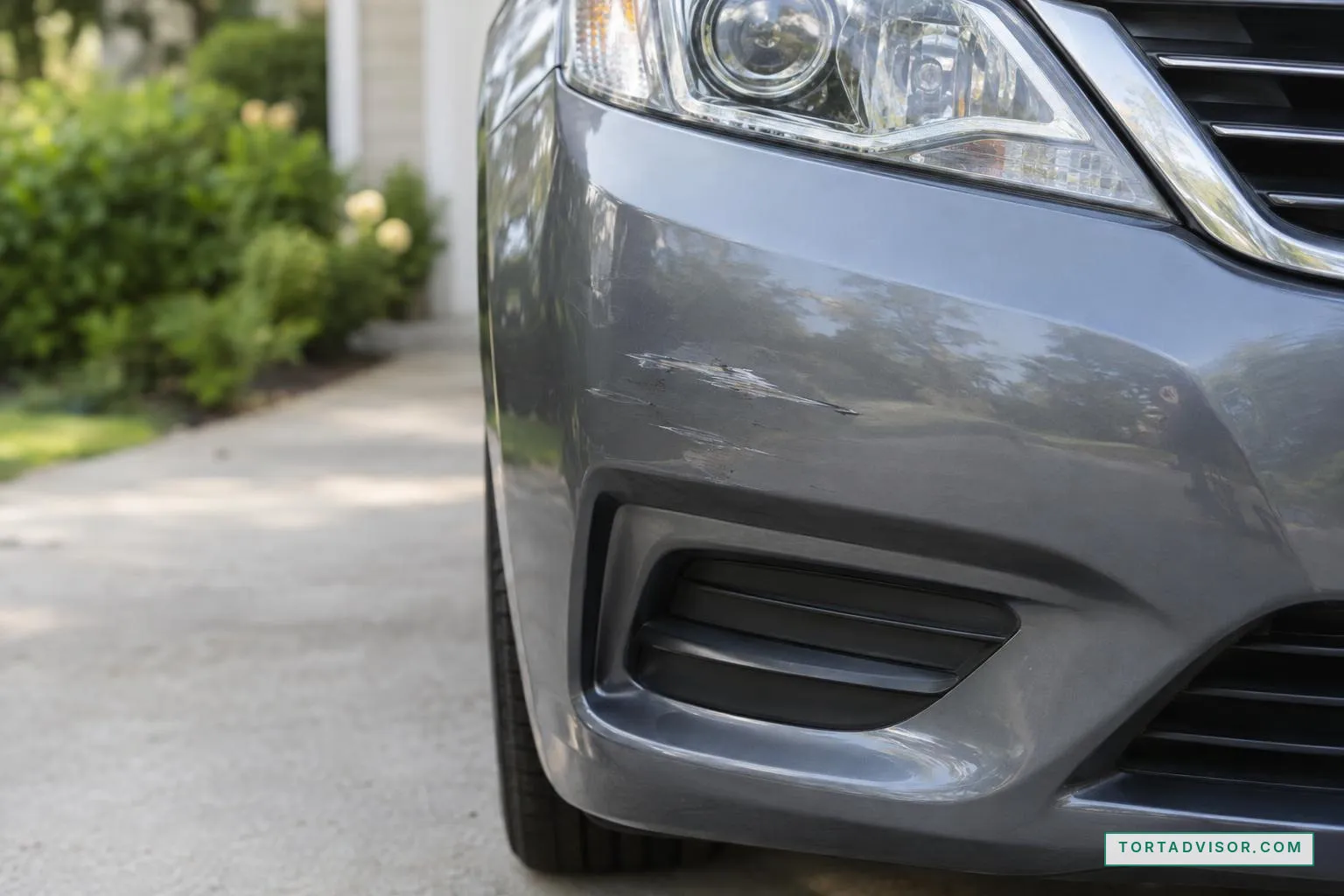
In Washington, an injured driver’s own share of fault can reduce compensation without barring recovery. In an action based on fault, compensatory damages are reduced proportionately by the fault attributable to the claimant under RCW 4.22.005 on the effect of contributory fault. That makes two questions worth keeping separate: whether the other driver violated a traffic rule, and whether the injured driver’s own conduct contributed to the harm. Evidence addressing one question may not resolve the other.
When organizing your account of the crash, consider:
- The other driver’s conduct: What specific action do you believe violated a rule, and what evidence supports your account?
- Your own conduct: Has anyone identified something you did that allegedly contributed to the harm?
- The connection to the injury: What do the available records show about how each driver’s actions affected what happened?
This is a Washington-specific rule, not a nationwide formula. For an optional starting point when researching a crash elsewhere, TortAdvisor’s guide to car accident fault rules by state can help you organize your next questions.
Questions to organize before evaluating your own crash
Start by organizing the questions your crash raises, rather than treating a suspected traffic violation as a final answer about fault.
- Where did the collision happen? The state matters. Washington generally treats a statutory violation as evidence of negligence, with an express exception for duties relating to driving under the influence. See Washington’s rule on statutory violations.
- Which provision is involved? Identify the specific rule—not just “unsafe driving.” For a Washington crash, the Rules of the Road contain separate provisions for red signals, speed, electronic-device use and DUI, with their own requirements and exceptions.
- What supports the alleged violation? List what you know firsthand, what other information supports it and what remains uncertain.
- How is the violation connected to the injury? Separate evidence of a violation from evidence of its consequences. California’s CACI 418, for example, requires a causal connection and conditions concerning the protected person and type of harm; CACI 420 addresses excused violations. See the California civil jury instructions.
- Is either driver’s conduct disputed? Note the competing accounts and what information might clarify them.
TortAdvisor is an independent research resource, not a law firm or lawyer. Its guide to car accident settlement factors and damages and car accident settlement calculator are optional research tools. A calculator output is not proof of fault or a promised settlement.
Would individualized advice help resolve the questions you cannot answer? The guide to deciding whether to consult a personal injury lawyer can help you consider that next step.
Keep researching on TortAdvisor
Frequently asked questions
Is negligence per se the same as ordinary negligence?
No. In California, ordinary negligence concerns a failure to use reasonable care. Negligence per se instead involves a presumption of negligence based on a legal violation, subject to specific conditions. Those include causation, whether the injury was the kind the rule sought to prevent, and whether the injured person belonged to the protected group. See California jury instructions 400, 401 and 418.
Does running a red light automatically establish negligence per se?
No—not in Washington. RCW 46.61.055(3) generally requires stopping at a steady red signal, but also permits certain turns after stopping and yielding unless prohibited. Even when a violation occurred, Washington generally treats a statutory violation as evidence of negligence rather than negligence per se under RCW 5.40.050.
How does Washington treat texting violations differently from DUI-related violations?
Washington’s civil-negligence statute generally treats a legal violation as evidence of negligence, but expressly makes breaches of duties relating to driving under the influence negligence per se. Texting violations do not receive that same express exception under RCW 5.40.050. The underlying conduct still matters: RCW 46.61.672 and 46.61.502 define the electronic-device and DUI rules, including their requirements and exceptions.
What if the traffic violation did not cause my injury?
A violation alone does not satisfy California’s negligence-per-se instruction. The violation must have been a substantial factor in bringing about the harm. If it was not, the instruction directs the jury to evaluate negligence under the other instructions instead. That means an unrelated traffic violation does not, by itself, resolve fault for your injury. See California jury instruction 418.
How can my own fault affect a Washington car accident case?
Your own fault can reduce compensation without automatically preventing recovery. Under Washington’s contributory-fault statute, compensatory damages are reduced proportionately by the fault attributable to the claimant, but that fault does not bar recovery under this provision. For your crash, the relevant question is therefore not just whether you made a mistake, but what share of fault is attributable to you.
Sources
- Judicial Council of California Civil Jury Instructions, 2026 Edition · Judicial Council of California
- RCW 5.40.050 — Breach of duty—Evidence of negligence—Negligence per se · Washington State Legislature
- RCW 4.22.005 — Effect of contributory fault · Washington State Legislature
This article is general information, not legal advice. Laws and deadlines vary by state and change over time; check the linked sources or speak with a licensed attorney about your situation.
Related Posts

Confused by the wording after another driver left a crash? This guide compares official state examples and helps you organize questions about the incident, your records, and possible insurance coverage.

Si el seguro dice que usted tuvo parte de la culpa en el choque, eso no siempre termina su reclamo. Le explicamos en lenguaje sencillo cómo funciona la falla comparativa, en qué cambian las reglas según el estado y qué pasó en Florida en 2023.

Understand how to estimate driving speed from distance and elapsed time—and why a calculation needs context after a crash. Learn about unit conversions, stopping distance and vehicle-recorded evidence.