
Product liability claims hold manufacturers, distributors and sellers responsible when a defective product injures someone, usually under strict liability, negligence or warranty theories. Value turns on proving the defect caused the injury, the injury's severity and deadlines such as repose periods. CPSC estimates 38.8 million people sought medical care for injuries related to consumer products in 2024.
Updates on Product Liability Claims
A burning face mask raises questions about both care and product safety. This guide separates the documented Yes To recall from unverified injury claims and helps parents prepare questions for a medical or legal review.

Why 1970s Playground Equipment Was a Beautiful Death Trap - Learn about dangerous playground equipment
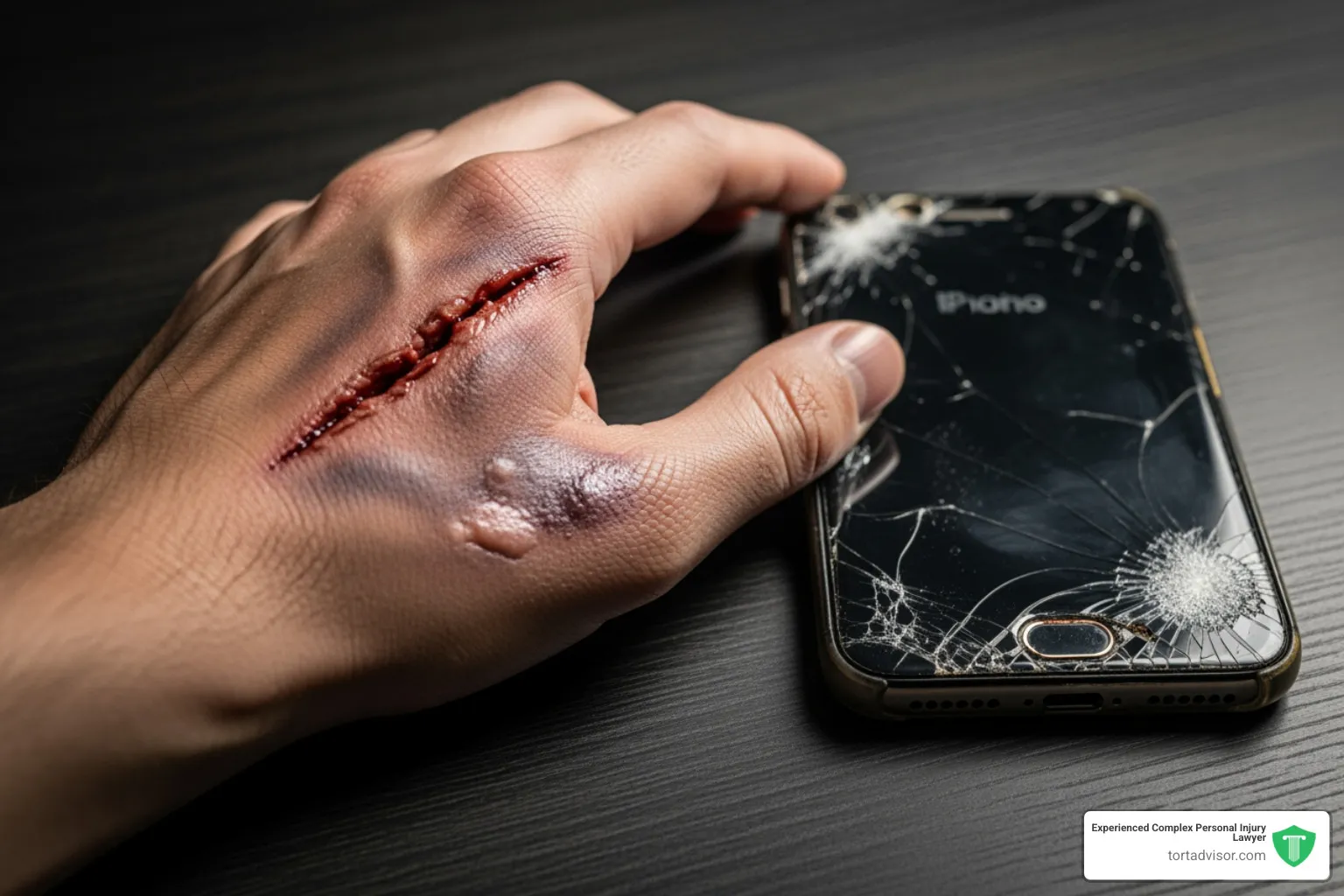
Injured by a defective product? Understand your product liability injury rights, claim types, and how to get compensation.
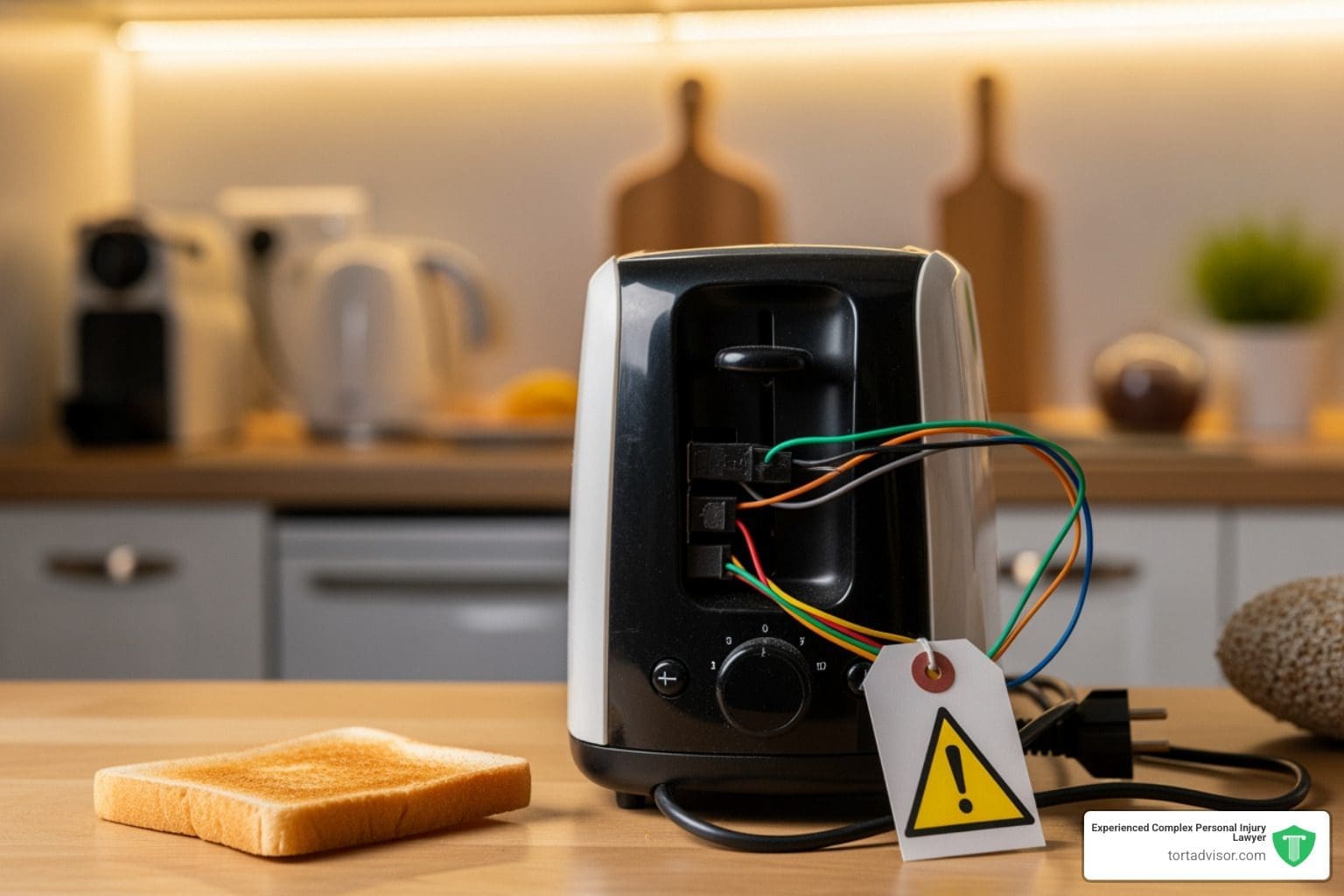
Did a North Dakota product cause harm? Understand product liability, your rights, and how to take action for defects.
Key facts (as of October 2026)
- CPSC estimates 59,900 deaths in 2023 were related to, but not necessarily caused by, a consumer product (CPSC).
- There is no federal products liability law; defects are classed as design, manufacturing or failure-to-warn (Cornell LII).
- Makers, distributors and retailers must immediately tell the CPSC when information reasonably supports a defect that could create a substantial hazard (15 U.S.C. § 2064(b)).
- Florida bars most claims over products with a useful life of 10 years or less for harm from use more than 12 years after delivery to the first buyer (Fla. Stat. § 95.031).
What decides the value of a claim
A product claim needs proof that the product was defective and that the defect caused the injury. Value then depends on the injury's severity, the evidence and state rules on shared fault and deadlines, including repose periods that run from the sale.
Evidence to keep
- The product, packaging, manual and receipt.
- Photos of the product and injury, and medical records.
- Recall notices from CPSC or, for vehicles and car seats, NHTSA.
Drug and implant cases often proceed as mass torts; see dangerous drug lawsuits and medical device lawsuits.
Frequently asked questions
Do I have to prove the manufacturer was careless?
Not always. Where strict liability applies, an injured person must show the product was defective and that the defect caused the injury, regardless of the manufacturer's intent. Negligence and breach-of-warranty claims are also available in many states, each with different proof requirements.
Does a recall mean I have a claim?
No. A recall shows a safety problem was identified, which can be useful evidence, but a claim still needs proof that the defect caused your injury and must be filed on time. A product that was never recalled can still be defective.
How long do I have to file a product liability claim?
Two clocks can apply: a statute of limitations, usually running from injury or discovery, and a statute of repose, running from the sale. In Florida, most products with a useful life of 10 years or less cannot be sued over harm occurring more than 12 years after delivery to the first buyer.
Sources
Filter Posts
Browse by Category