Beauty Face Mask Burns in Teens: Recall and Claim Facts
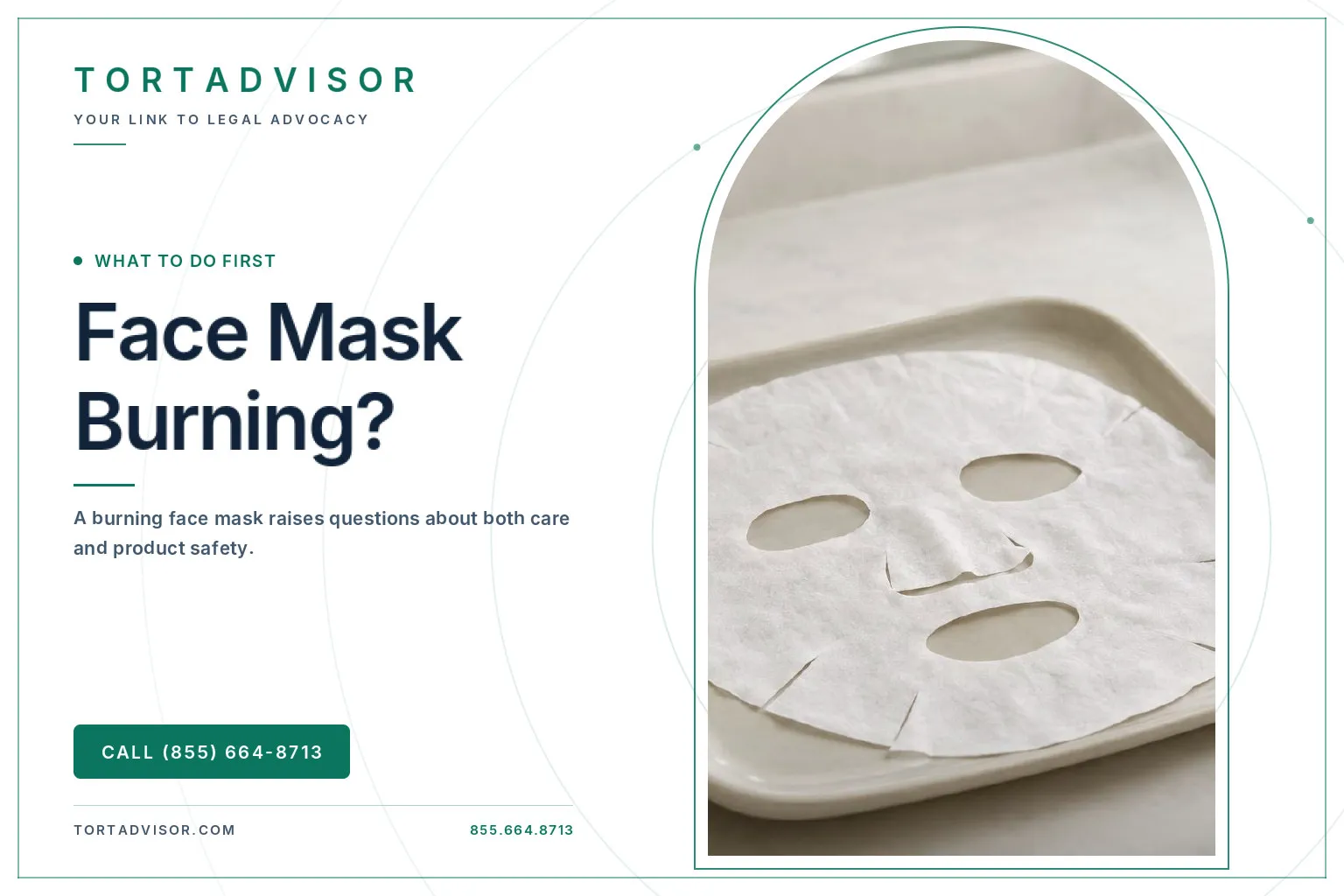
If you’re concerned about beauty face mask burns on your 13-year-old, wash the mask off immediately if it causes burning, itching or stinging, stop using it and contact a healthcare provider. Whether it was recalled depends on the exact product: Yes To’s January 2020 recall covered all lots of its Grapefruit Vitamin C Glow Boosting Unicorn Paper Mask—not other Yes To products; before requesting an injury-claim review, gather the packaging, receipt, photos of the reaction, a timeline of symptoms and any medical records.
This article explains the recall’s scope, how to document the product and your child’s reaction, how to report a cosmetic complaint to FDA, and what to prepare for a product-injury lawyer’s review. The focus is on establishing what happened—not assuming a diagnosis or guessing a payout.
What to do when a face mask starts burning
Wash the mask off immediately if itching, burning or stinging begins. The American Academy of Dermatology says these sensations may signal irritation or an allergy. Its dermatologists’ advice on facial-mask reactions also recommends seeing a dermatologist if your skin feels worse after using a mask. Do not keep wearing it to finish the time listed on the package when these symptoms start.
Find out if you may have a claim
Answer a few questions and a trained case advisor will review your situation — most people finish in about a minute.
- Free — no cost, no obligation
- About a minute to complete
- Reviewed by a trained case advisor
- Nothing you submit is published
Your details are sent over a secure connection and reviewed confidentially.
For a teen or parent, the immediate question is what to do about the reaction—not whether the product was recalled or whether a claim might be possible. Removing the mask and washing it off comes first. If the skin feels worse afterward, seek the dermatologist’s assessment the guidance recommends rather than trying to identify the injury from its appearance alone.
A burning sensation does not, by itself, establish a chemical-burn diagnosis. Describing what happened plainly—such as “my skin started stinging while the mask was on”—keeps the symptom separate from a diagnosis. Questions about the product and any possible claim can be addressed after the immediate skin concern.
Related reading: If you also want background on eye discomfort, read about understanding a gritty or foreign-body sensation in the eye. That resource is not treatment guidance for cosmetic exposure and is not a substitute for medical care.
What the Yes To unicorn mask recall actually covered
This was a historical recall of one specific product—not a recall of every face mask. According to the historical Yes To recall announcement published by FDA, the company’s January 16, 2020 announcement covered all lots of the Yes To Grapefruit Vitamin C Glow-Boosting Unicorn Paper Mask following complaints of skin irritation and redness.
The notice described reports involving both children and adults. It expressly excluded other Yes To products. The FDA-hosted page now states that the recall was completed and terminated, so the announcement should not be read as a newly issued or currently active recall.
It also matters what kind of record this is: a company recall announcement hosted by FDA. It documents the product involved, the reported reactions and the recall’s scope. It is not an FDA finding that a particular teenager suffered a chemical burn, and the reported irritation and redness should not be turned into an individual diagnosis.
For a family checking whether this history relates to a reaction, the exact product name is the useful starting point. A different Yes To product—or another brand’s face mask—does not fall within this notice simply because it was used on the face. The old announcement also should not be treated as confirmation of a present-day refund policy.
Build a clear record of the product and reaction
Keep the product details and your teen’s reaction history together in one private folder. The following is an editorial preparation checklist—not an FDA-mandated consumer checklist or a guarantee that the materials establish liability.
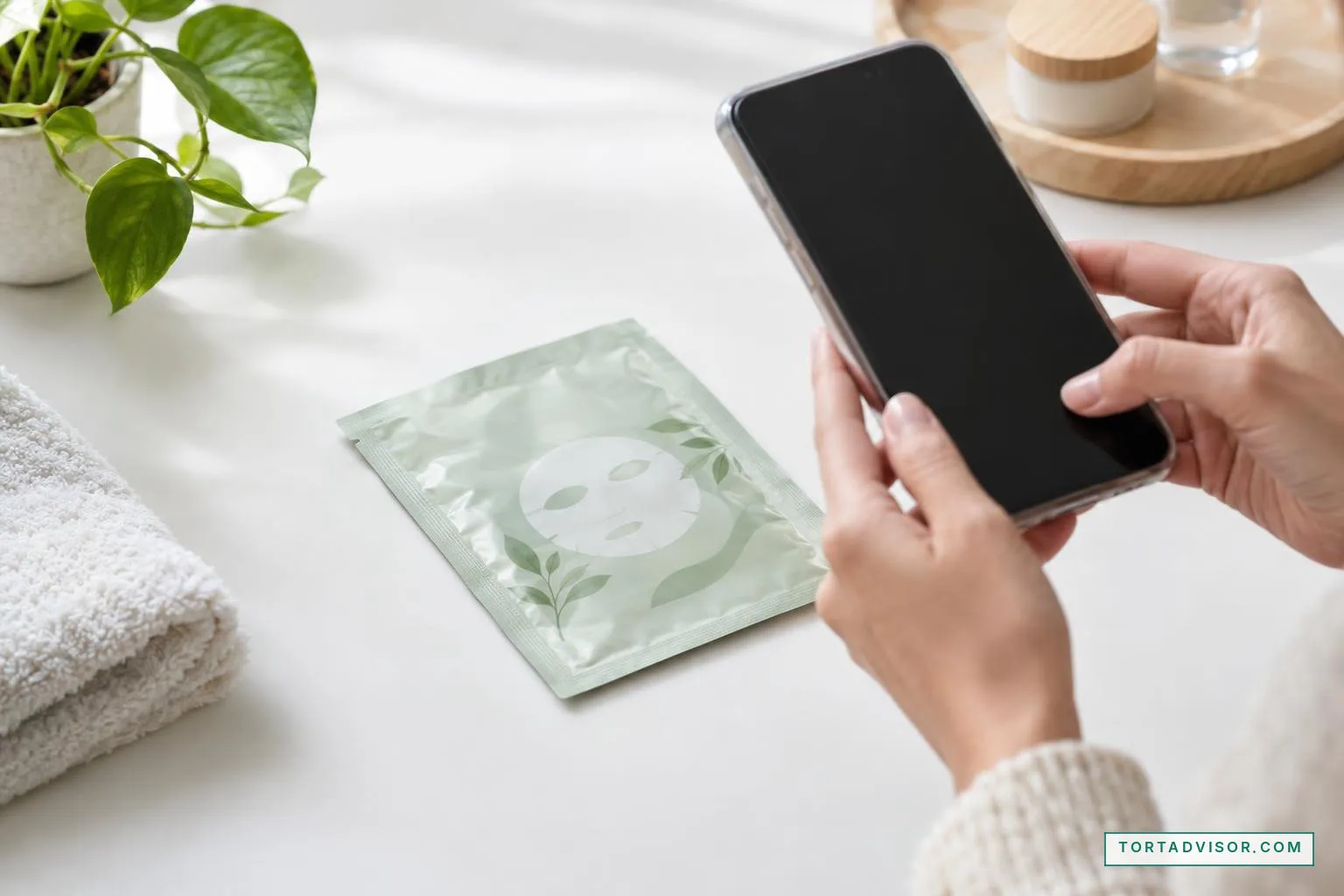
- Photograph the packaging before discarding anything. Capture the product name, ingredient list, instructions, warnings and any visible lot or batch identifier. Take clear pictures of every side so small print is readable.
- Save purchase information. Keep the receipt, online order confirmation or other available purchase record, along with correspondence with the seller or manufacturer.
- Document the reaction privately. Keep dated photographs of visible changes as they develop. Respect your child’s privacy by storing injury photographs securely rather than posting them publicly.
- Collect care-related records. Save medical visit summaries, treatment instructions and receipts. If there was no medical visit, note that too; FDA encourages reporting unexpected cosmetic reactions whether or not medical treatment occurred.
Write a simple timeline
Record the product used, when it was applied and removed, what symptoms your teen noticed and when, other products used that day, and any care that followed. If a time is approximate, label it that way rather than guessing. Use your teen’s own description of how their skin felt, and keep any clinician’s diagnosis separate from your observations.
The goal is a clear, organized account—not a conclusion about what caused the reaction or who is responsible.
How to report a cosmetic reaction to FDA
If a face mask causes a reaction, FDA advises stopping use and contacting a healthcare provider, then reporting the problem. You can report an unexpected cosmetic reaction—including redness or burns—even if no medical treatment was needed. FDA’s current cosmetic complaint instructions list an online MedWatch option for consumers.
For a teen or family member making a report, follow the consumer instructions on that page. A healthcare professional can use the health-professional reporting instructions. The page also includes separate information for industry reporting; do not use that section as the guide for your family’s report.
The key distinction is the purpose of the submission: this is a safety report, not an application for compensation. Keep reporting the reaction separate from asking whether the injury may support a legal claim. You do not need to wait until you are considering a claim to report an unexpected reaction, and FDA’s invitation to report is not limited to reactions that required a medical visit.
What would a product-injury lawyer need to evaluate?
A lawyer would need to look beyond the report of burning to investigate the product, the injury and whether a possible defect connects them. Describing what happened is an important starting point—not the same as establishing that the mask was defective.
California illustration only: California’s product-liability jury instructions, beginning with CACI 1200 identify manufacturing defects, design defects and inadequate warnings as product-liability theories. The accompanying authority connects a product defect with the injury. These instructions are not a nationwide rule.
For a review, organize the information around these questions:
- What product was used? Gather the product name, packaging, lot information and purchase record, if available.
- What did the clinician diagnose? Keep medical records separate from your own description of burning, redness or other symptoms.
- What instructions were followed? Preserve the directions and warnings, and write down how the mask was used.
- What needs investigation? Ask whether the evidence points to a manufacturing, design or warning issue—or whether that remains unknown.
A burning sensation alone should not be treated as proof of a legal defect, nor should a recall be treated as proof of an individual claim.
For optional context, TortAdvisor’s background on dangerous-product and drug injury lawsuits covers a broader topic. This article concerns a cosmetic face mask, not a prescription drug.
Prepare for a claim review without guessing a payout
A useful next step is to take your product record and care chronology to a consultation and ask what remains unanswered. Focus on documenting what happened rather than choosing a compensation figure before someone has reviewed the facts.
Organize the packaging, product and lot details, receipts, photographs, and any medical records or care instructions you have. A short timeline can show when the mask was applied, when symptoms began, what you did afterward, and how the reaction changed. Note missing information instead of filling gaps with guesses.
Questions to bring include:
- What additional records would help evaluate the injury and its possible connection to the product?
- Which medical questions still need clarification?
- What facts would you need before discussing whether a claim may be appropriate?
The FDA-posted Yes To recall announcement describes skin irritation and redness complaints; it does not provide a settlement value for an individual reaction.
If you want help evaluating a documented injury, TortAdvisor’s guide to finding a local burn injury lawyer is an optional starting point—not a diagnosis that your reaction was a burn.
For general background, you can explore TortAdvisor’s settlement amounts and compensation guide and TortAdvisor’s settlement calculators. Neither should be treated as a face-mask-specific valuation or a prediction of your outcome.
This page provides general information, not individualized medical or legal advice.
Keep researching on TortAdvisor

Frequently asked questions
Should I wash off a beauty face mask if it starts burning?
Yes—wash it off immediately rather than waiting for the recommended wear time to end. The American Academy of Dermatology advises removing a mask if it causes burning, itching or stinging. These symptoms may reflect irritation or an allergy; they do not, by themselves, establish a chemical-burn diagnosis. Consult a dermatologist if your skin worsens after using a mask.
Which Yes To unicorn face mask was included in the recall?
The recall covered all lots of the Yes To Grapefruit Vitamin C Glow Boosting Unicorn Paper Mask—not every Yes To mask or skin-care product. The recall announcement published by FDA described complaints of skin irritation and redness involving children and adults. It specifically excluded other Yes To products, so check the full product name rather than relying on the brand name alone.
Was the Yes To unicorn mask recall recent?
No. The FDA recall notice linked above was announced on January 16, 2020; it is a historical announcement, not a new recall. The same page currently states that the recall was completed and terminated. That status describes the recall itself—it does not establish what caused an individual person’s skin reaction.
Can I report a cosmetic reaction to FDA without having received medical treatment?
Yes. FDA says consumers can report an unexpected cosmetic reaction whether or not they received medical treatment. Its cosmetic complaint reporting guidance explains consumer MedWatch reporting options, which are separate from industry reporting. FDA also advises stopping use of the cosmetic and contacting a healthcare provider after a reaction.
What does California’s product-liability guidance say about defects and injury?
California’s guidance identifies manufacturing defects, design defects and inadequate warnings as product-liability categories. The 2026 California civil jury instructions, including CACI 1200 and its accompanying authority, also address the connection between a product defect and injury. This is a California-specific framework, not a nationwide liability rule or a finding that a particular face mask caused someone’s injury.
Sources
- Do facial masks work, and should I add one to my skin care routine? · American Academy of Dermatology Association · 2026-03-03
- Yes To Inc. Issues Voluntary Recall of Product Due to Skin Irritation Complaints ‘Grapefruit Vitamin C Glow Boosting Unicorn Paper Mask’ · U.S. Food and Drug Administration, hosting a Yes To company announcement · 2020-01-16
- How to Report a Cosmetic Product Related Complaint · U.S. Food and Drug Administration · 2026-03-11
- Judicial Council of California Civil Jury Instructions, 2026: Products Liability, CACI 1200 · Judicial Council of California
This article is general information, not legal advice. Laws and deadlines vary by state and change over time; check the linked sources or speak with a licensed attorney about your situation.
Related Posts

Why 1970s Playground Equipment Was a Beautiful Death Trap - Learn about dangerous playground equipment
Injured by a defective product? Understand your product liability injury rights, claim types, and how to get compensation.
Did a North Dakota product cause harm? Understand product liability, your rights, and how to take action for defects.