
Proof of Hair Relaxer Use for a Lawsuit: Evidence That Helps
Missing receipts and boxes are common after years of relaxer use, and the court forms in the federal hair relaxer litigation ask for documents that are in your or your lawyer’s possession, not ones you no longer have. What you will need is proof of hair relaxer use for lawsuit purposes built mainly on a detailed, sworn history of which products you used, roughly when you started and stopped, and how often, supported by whatever photos, records and people can back it up.
The forms make that history specific. The Short Form Complaint, approved under Case Management Order No. 7 in MDL No. 3060, asks for the approximate start and stop dates of your relaxer use and lists specific relaxer products as checkboxes. The Plaintiff Fact Sheet, which every plaintiff must complete and sign under penalty of perjury, also asks for photographs or videos showing your hairstyle and relaxer use. Because you are swearing to these answers, it pays to rebuild your product history carefully before you write anything down.
This guide explains what the MDL 3060 forms ask about your relaxer use and what other evidence can stand in for lost receipts. It also covers how to document how long and how often you relaxed your hair, which medical records support the diagnosis side of a claim, including the records the court’s authorization forms allow to be collected, and how to keep your account consistent in one organized file.
The short answer: missing receipts are common, but you will need to give a detailed, sworn product history
If you no longer have receipts, boxes or jars from years of relaxer use, that does not by itself shut you out of a claim. What the court forms do require is a careful, honest account of the products you used, and you confirm that account under oath.
Every plaintiff with a filed case in the federal hair relaxer litigation, MDL No. 3060, must complete a Plaintiff Fact Sheet about their hair relaxer use. If the person who used the products has died, a representative completes it for them.
Here is what that means in practice:
- Documents: The fact sheet asks for documents that are in your possession or your lawyer’s possession. It does not ask you to produce records you never had.
- Your signature carries weight: You sign the fact sheet as a declaration under penalty of perjury under 28 U.S.C. § 1746. Your own account is treated as sworn testimony.
- Dates matter: The court-approved Short Form Complaint used to join the MDL asks for the approximate dates you started and stopped using relaxer, and it lists specific relaxer products to check off.
Put simply, your most important evidence is an accurate history you can stand behind, supported by whatever records still exist. A history that is careful and consistent is more useful than one that guesses at details to look complete.
The rest of this guide walks through what the MDL 3060 forms ask, where backup evidence can come from when receipts are gone, how to pin down how long and how often you used relaxer, which medical records support the diagnosis side, and how to keep everything organized in one file.
Find out if you may have a claim
Answer a few questions and a trained case advisor will review your situation — most people finish in about a minute.
- Free — no cost, no obligation
- About a minute to complete
- Reviewed by a trained case advisor
- Nothing you submit is published
Your details are sent over a secure connection and reviewed confidentially.
What the MDL 3060 forms ask about your hair relaxer use
The court’s forms focus on two questions: which relaxer products you used, and roughly when you used them. You do not need exact dates or every receipt to begin answering. But you will need to give a careful, honest account. For the wider background on the litigation itself, see our full hair relaxer lawsuit and MDL 3060 overview.
The Short Form Complaint: products and dates
The court approved the Short Form Complaint under Case Management Order No. 7 on August 3, 2023. It asks for two things about your use:
- Your timeline: the approximate date you started using hair relaxer and, if it applies, the approximate date you stopped.
- Your products: the form lists specific relaxer products as checkboxes. You pick out the products you believe caused or contributed to your injury.
Because the form asks for approximate dates, a reasonable estimate is what it is looking for. It is better to give an estimate you can explain than to guess at a precise date you cannot support.
The Plaintiff Fact Sheet: how “hair relaxer product” is defined
The MDL 3060 Plaintiff Fact Sheet defines a “hair relaxer product” separately from other hair care products. That distinction matters when you list what you used. Relaxers belong in one place. Shampoos, conditioners and other products you used alongside them are covered in a different place.
If you had relaxers applied at a salon, the definition is narrower than you might expect. It is limited to the products the label requires for the relaxing process. It does not cover everything a manufacturer sold to the salon. So when you describe salon treatments, focus on the relaxer itself and the products that came with it as part of the labeled process.
The fact sheet also asks for photographs or videos showing your hairstyle or your use of hair relaxer products. Old family photos, social media posts and videos can therefore become part of your product history, even when packaging and receipts are long gone.
When receipts are gone: other evidence that can back up your product history
Most people do not keep receipts for something they bought years ago. Other kinds of records can still help support the history you give. The MDL 3060 Plaintiff Fact Sheet asks for photographs or videos of your hairstyle and relaxer use. It also asks for documents in your possession or your lawyer’s possession. These are realistic places to look:
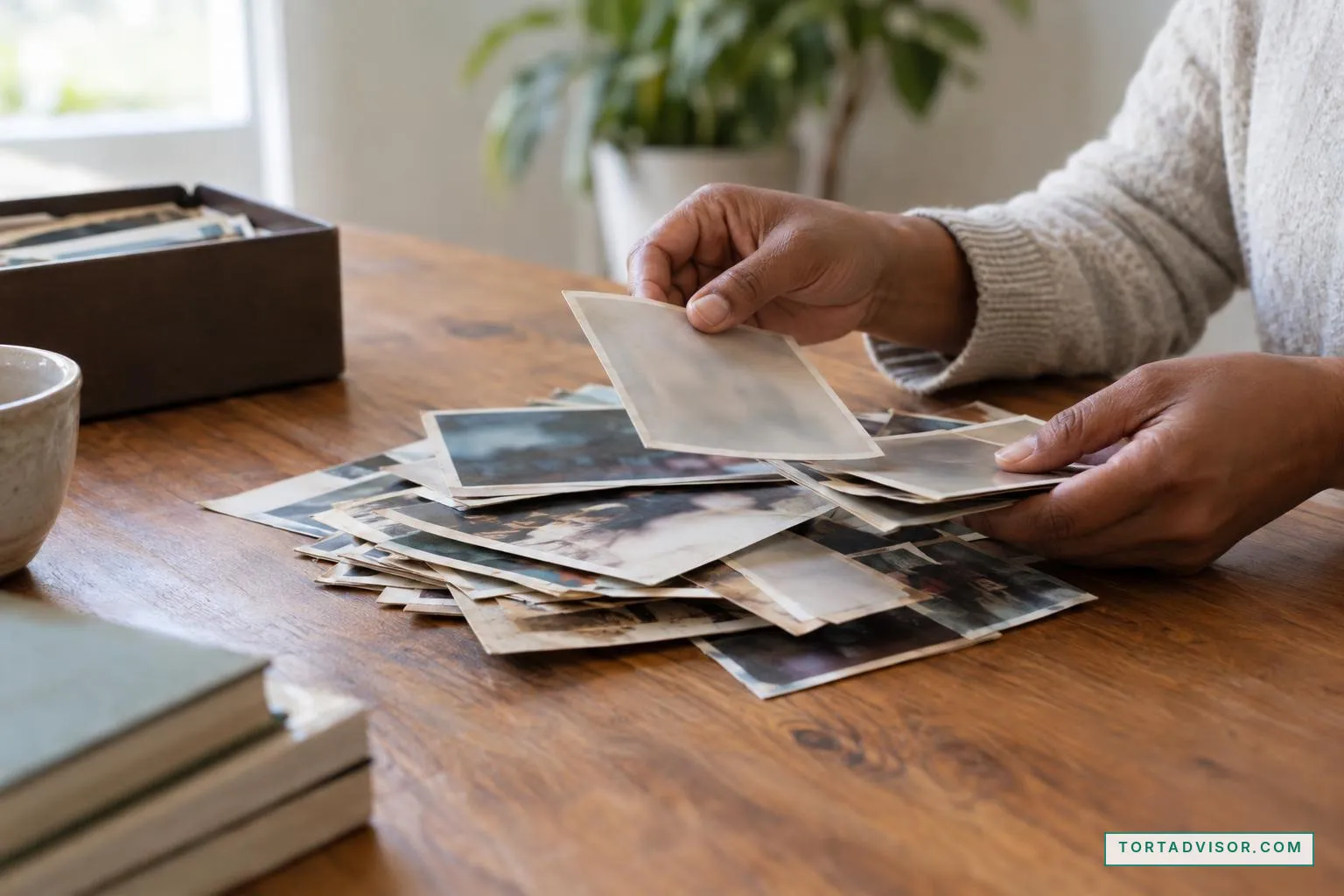
- Photos and videos: The fact sheet asks for these directly. Old family pictures, event photos and social media posts that show your hair over the years can support the timeline you describe.
- Packaging: A leftover box, jar or kit can confirm a brand and product name. Keep it as it is rather than throwing it out.
- Retailer purchase histories: Online order histories, pharmacy or store loyalty accounts, and card statements you can still get can count as documents in your possession.
- Salon records and stylist statements: Appointment books, client cards or a written statement from a longtime stylist can show that you had relaxers applied at a salon and roughly how often.
- Family statements: Relatives who applied relaxer to your hair at home, or who went with you to the salon, can confirm what was used and when. You and your lawyer decide whether to use these statements and how.
None of these items is a guaranteed requirement, and none proves your claim on its own. A photo shows straightened hair, but it does not show the brand. A box shows the brand, but it does not show how long you used it. Together, they help show that your sworn account is consistent and believable.
How to document how long and how often you used relaxer
How long you used relaxer is part of your claim from the very first filing. The MDL 3060 Short Form Complaint asks for the approximate start and stop dates of your relaxer use.
How often you used it matters too. In the NIH Sister Study, frequent use was defined as more than four times in the previous year, and frequent users were more than twice as likely to develop uterine cancer as women who did not use the products. The same researchers did not collect brand or ingredient information. The study cannot say which products you used. Your own detailed history has to supply that.
Ways to rebuild your timeline
- Tie use to life events. Think about what your hair looked like in high school, at a wedding or graduation, when you started a job, or when you moved to a new city. These anchors make dates easier to recall.
- Work out your touch-up rhythm. If you relaxed new growth about every six to eight weeks, note that interval and when it changed. This turns a vague memory into an estimate of how many times a year you used relaxer.
- Note switches between salon and home kits. Write down roughly when you went to a stylist and when you did it yourself, along with any salon names or kit brands you remember.
- Record what you are unsure about. Write “around 2009” or “not certain” instead of guessing an exact date.
Anchoring dates to jobs helps your memory, but those dates should be accurate. The fact sheet’s signed authorizations cover employment records as well as medical and payment records, so other documents can be checked against what you write.
Once you have a working timeline, the hair relaxer settlement calculator can show you how use history and diagnosis factor into a claim review. It does not predict or promise any outcome.
Medical records that support the diagnosis side
Your product history explains what you used. Your medical records show what happened to your health. In MDL 3060, most of those records are collected through authorizations you sign along with your fact sheet, but having your own copies helps you get the details right.
What the authorizations cover
The MDL 3060 authorization forms let records be requested from your providers. They cover:
- Medical records, plus physician and surgeon records
- Pathology and cytology reports
- Medication records
- Payment records
Separate authorizations cover employment records and psychiatric or psychotherapy records. These relate to any part of a claim involving lost work or emotional harm.
Gather your own copies early
It helps to request your own pathology reports, surgical records and oncology treatment notes before you fill out the forms. The Short Form Complaint approved under CMO 7 asks for the approximate dates you started and stopped using relaxer. With your records in hand, you can check that your product timeline makes sense next to your diagnosis and treatment dates. This is a practical part of what taking action with a cancer lawsuit involves.
If the injured person has died, the Plaintiff Fact Sheet asks the representative for the decedent’s autopsy report, if one exists.
Why relaxers are separated from other hair products
In the Sister Study, NIH researchers found no association between uterine cancer and hair dyes, bleach, highlights or perms. That is one reason the forms ask about relaxers apart from other hair products. When you list products, keep those categories distinct so your history matches what the forms actually ask.
Keep your history consistent and organize one file
The most useful thing you can do now is keep one organized record of your evidence and make sure every version of your story matches it. Small gaps are normal. Conflicting accounts are harder to explain.
The MDL 3060 Plaintiff Fact Sheet asks which documents you reviewed to prepare your answers. As you work, keep a simple running list of everything you looked at: photo albums, old bank statements, salon appointment records, medical files and anything else that refreshed your memory.
Build one folder, organized by date
- Photos and videos that show your hairstyles or relaxer use over the years
- Packaging, product boxes or labels you still have
- Purchase printouts from store accounts, online orders or card statements
- Salon records and contact details for stylists who did your relaxers
- Written statements from family members, friends or stylists who remember your routine
- Medical records related to your diagnosis and treatment
A paper folder, a digital folder or both can work. What matters is that you and your lawyer can find each item quickly and see how it fits into your timeline.
Fix mistakes openly
If you realize a date, brand or salon name was wrong, tell your lawyer and correct it in writing. Do not quietly change your answer the next time someone asks. A clear correction is much easier to work with than several different versions of your history.
Where this fits in the bigger picture
Proof of use matters for any future review of your case, but this guide does not discuss dollar figures. For status updates, see where hair relaxer settlement amounts stand today. For background, read how product liability claims work more generally.
Once your basic facts are in order, including the products, the years of use, how often you used them and your diagnosis, TortAdvisor’s settlement calculator is an optional tool for thinking through your situation. It does not replace advice from a lawyer who can review your full file.
Frequently asked questions
Do I need receipts to file a hair relaxer lawsuit in MDL 3060?
Receipts help, but the process doesn’t depend on them. The MDL 3060 Plaintiff Fact Sheet asks for documents that you or your lawyer actually have, along with your detailed answers about the products you used. Every plaintiff must complete it.
You sign the fact sheet under penalty of perjury. Your written history therefore carries real weight, so take the time to make it as accurate and complete as you can.
What if I can’t remember the exact brand of relaxer I used?
Many people can’t recall every brand from years ago. The Short Form Complaint approved under Case Management Order No. 7 lists specific relaxer products as checkboxes. Seeing those names can jog your memory. The form also asks only for approximate start and stop dates.
Relatives, old stylists, or a salon you visited may help you fill in gaps. Only list products you genuinely believe you used, and say so when something is your best estimate rather than a certainty.
Do photos of my hair really count as evidence?
Yes. The Plaintiff Fact Sheet specifically asks for photographs or videos showing your hairstyle and your relaxer use. Older pictures can help show that your hair was chemically straightened during certain years.
Pictures that show product boxes or jars, or a salon visit, can also help. Check family albums, old phones, and social media accounts. Save copies with the approximate date and place each photo was taken.
Which medical records will I be asked to authorize?
Plaintiffs sign authorization forms that allow the release of several kinds of records:
- Medical, physician, and surgeon records
- Pathology and cytology records
- Medication and payment records
- Employment records
- Psychiatric and psychotherapy records
Knowing this ahead of time helps you list every provider who treated you.
Can a family member provide the product history if the person who used relaxer has died?
Yes. When the person who used relaxer has passed away, a representative completes the Plaintiff Fact Sheet on their behalf. The fact sheet also asks for an autopsy report if one exists.
Relatives who did the person’s hair, shopped with them, or saw them use relaxer can help rebuild the history. Old photos, salon contacts, and medical records can add detail where memories are incomplete.
Sources
- Case Management Order No. 7 and Short Form Complaint, In re: Hair Relaxer Marketing, Sales Practices and Products Liability Litigation, MDL No. 3060 · U.S. District Court for the Northern District of Illinois · 2023-08-03
- Plaintiff Fact Sheet, MDL No. 3060 · U.S. District Court for the Northern District of Illinois
- PFS Authorization Forms, MDL No. 3060 · U.S. District Court for the Northern District of Illinois
- Hair straightening chemicals associated with higher uterine cancer risk · National Institutes of Health · 2022-10-17
This article is general information, not legal advice. Laws and deadlines vary by state and change over time; check the linked sources or speak with a licensed attorney about your situation.

Looking back through years of jobs, military service or a family member’s work history can feel overwhelming after a diagnosis. This guide explains documented exposure settings and helps you prepare for a conversation about a possible claim.

Understand possible mesothelioma symptoms, the tests doctors use, and why past asbestos exposure matters. Find practical next steps for supporting a diagnosed family member and asking about a case review.

Learn which cancers asbestos causes and how doctors assess whether past exposure contributed to a diagnosis. Find a calm explanation of the evidence and what families can share during a case review.