Child sexual abuse lawsuits are civil claims brought by survivors, or by a parent on a child's behalf, against the abuser and any school, church, club, care provider or agency that failed to protect the child. As of October 2026, several states give childhood survivors decades to file, and some have reopened expired claims through temporary lookback windows.
Updates on Child Sexual Abuse Lawsuits
Who was responsible for the placement, supervision, and response to warning signs? This guide explains the questions survivors and families can explore when considering a claim.

Could a school or religious institution share responsibility for sexual abuse? This California guide explains institutional claims, evidence to discuss with a lawyer, and how to prepare for a case review.
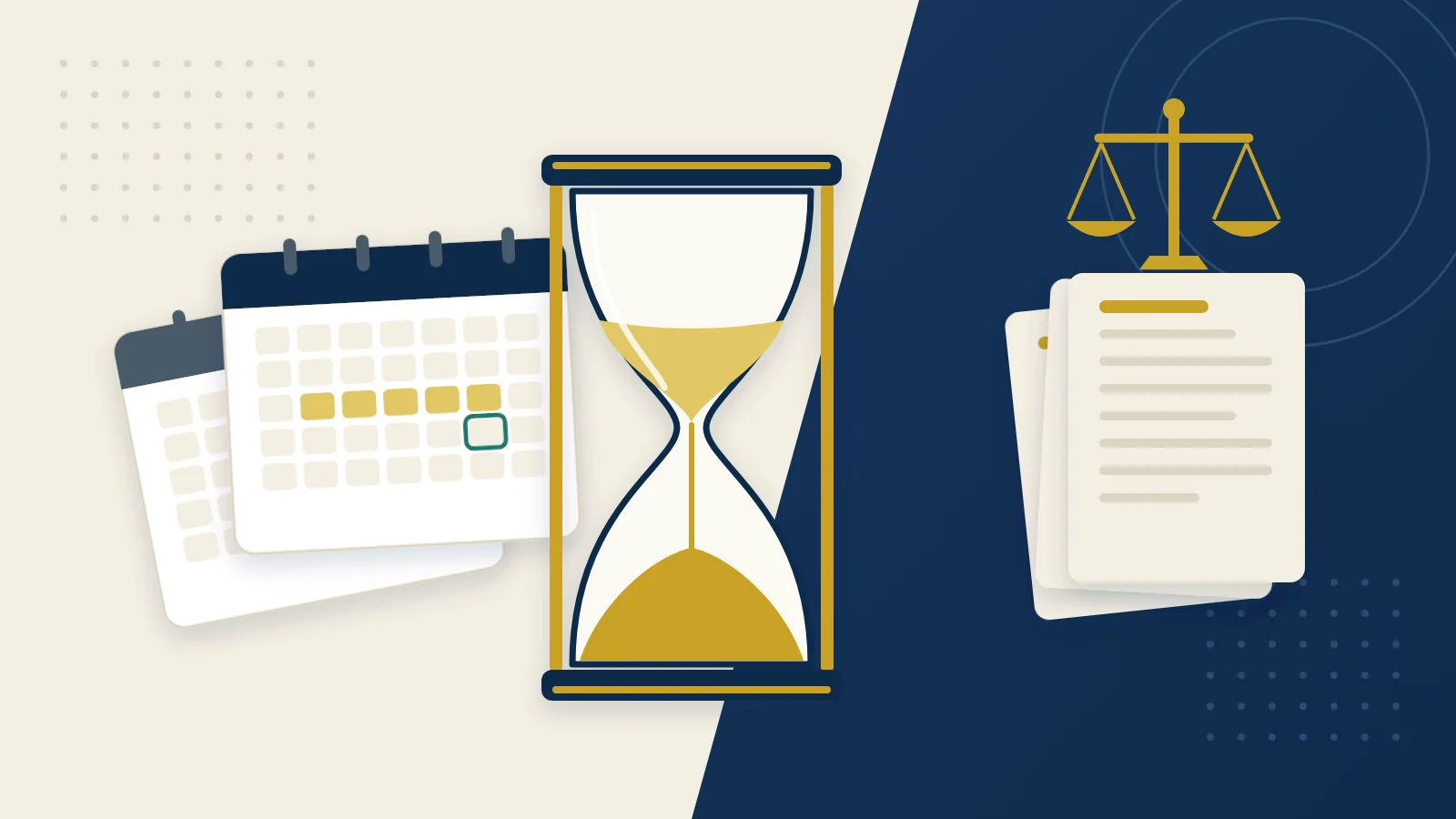
Sexual abuse filing deadlines depend on the state, the survivor's age and whether the case is civil or criminal. How the clock works, with New York, Florida and federal law as examples.

The Roblox lawsuit statute of limitations varies by state. This 2026 guide covers filing deadlines, the minor tolling rule, the discovery rule, and a full state-by-state table so families can determine if they still qualify to file a child exploitation claim.
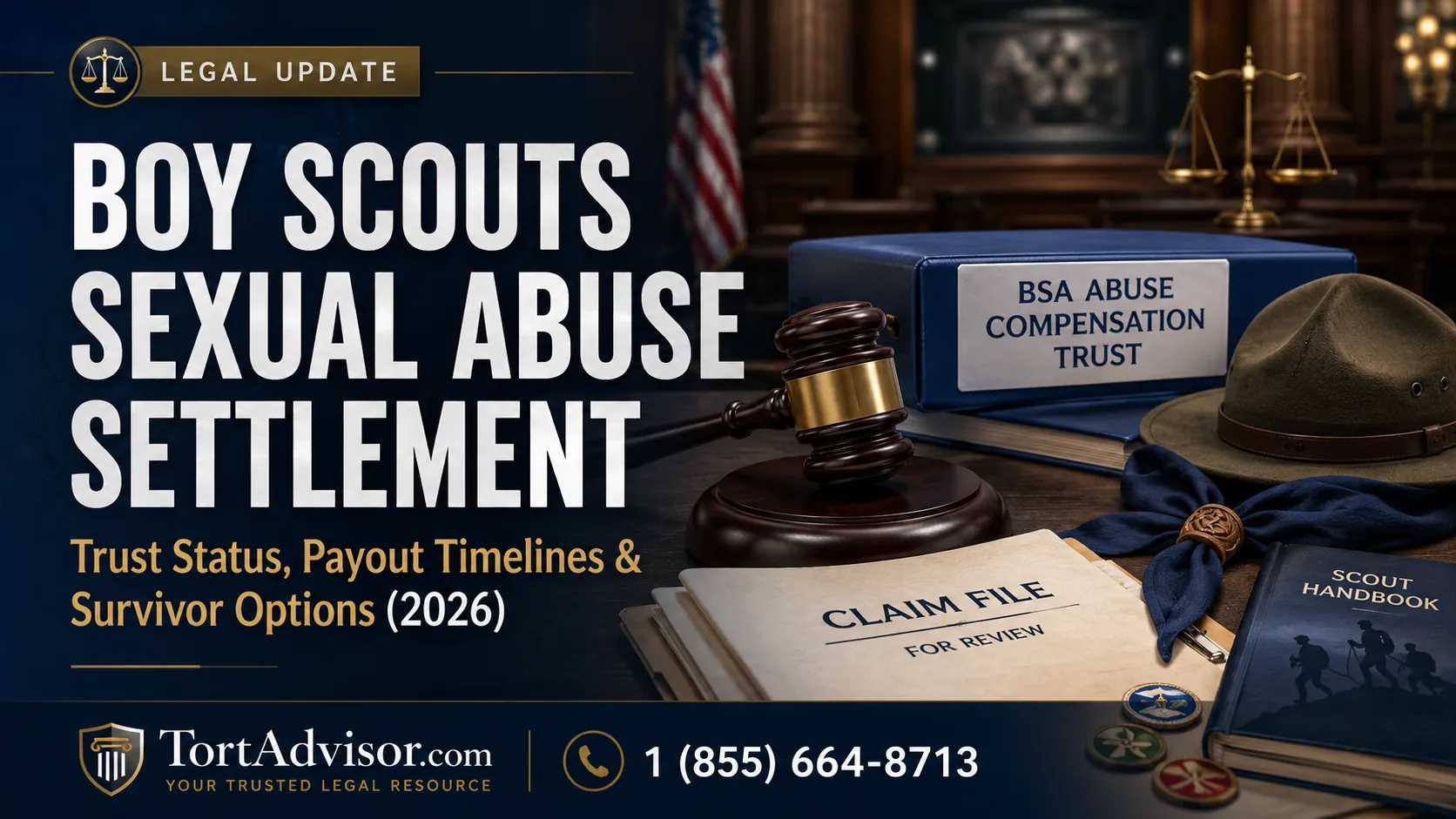
How we sourced this page Quick answer: As of October 1, 2026 the Scouting Settlement Trust had paid $1,331,813,046 across 53,162 claim disbursements — about $27,590 per paid Matrix claim on average, by our arithmetic on the Trust’s own totals. That is [...]
This page is a child resource within TortAdvisor's Sexual Abuse Lawsuit Guide and Institutional Sexual Abuse Lawsuit Guide. For the broader lawsuit directory, visit Sexual Abuse Lawsuit Research. Catholic Church sexual abuse settlement: Survivors of alleged sexual abuse by priests, deacons, nuns, religious-order members, teachers, youth ministers, or other Church personnel may have civil claim [...]
There is no reliable nationwide average clergy abuse settlement - value turns on the survivor's facts, the institution, state law, and whether the claim resolves through a civil suit, a diocesan compensation program, or a bankruptcy trust. How payouts are calculated, and whether they are taxable.
This 2026 update supports TortAdvisor's Social Media Addiction Lawsuit Guide. You can also browse Active Lawsuits, Settlement Calculators, Social Media Settlement Amounts, and Legal Insights. Social media addiction lawsuit 2026 update: Federal claims alleging that major platforms used addictive design features that harmed children and adolescents continue in MDL No. 3047, In re: Social Media [...]
How to File a Snapchat Lawsuit 2026 If your child was sexually exploited, groomed, sextorted, or harmed on Snapchat, this guide explains How to File a Snapchat Lawsuit 2026 and what families need to know before time runs out. You may be entitled to significant compensation by filing a Snapchat lawsuit against Snap Inc. [...]
Institutional sexual abuse lawsuit 2026: complete guide for survivors of clergy, school, coach and camp abuse. Who qualifies, how state filing windows work, and what the claims process involves. Free confidential evaluation available 24/7.
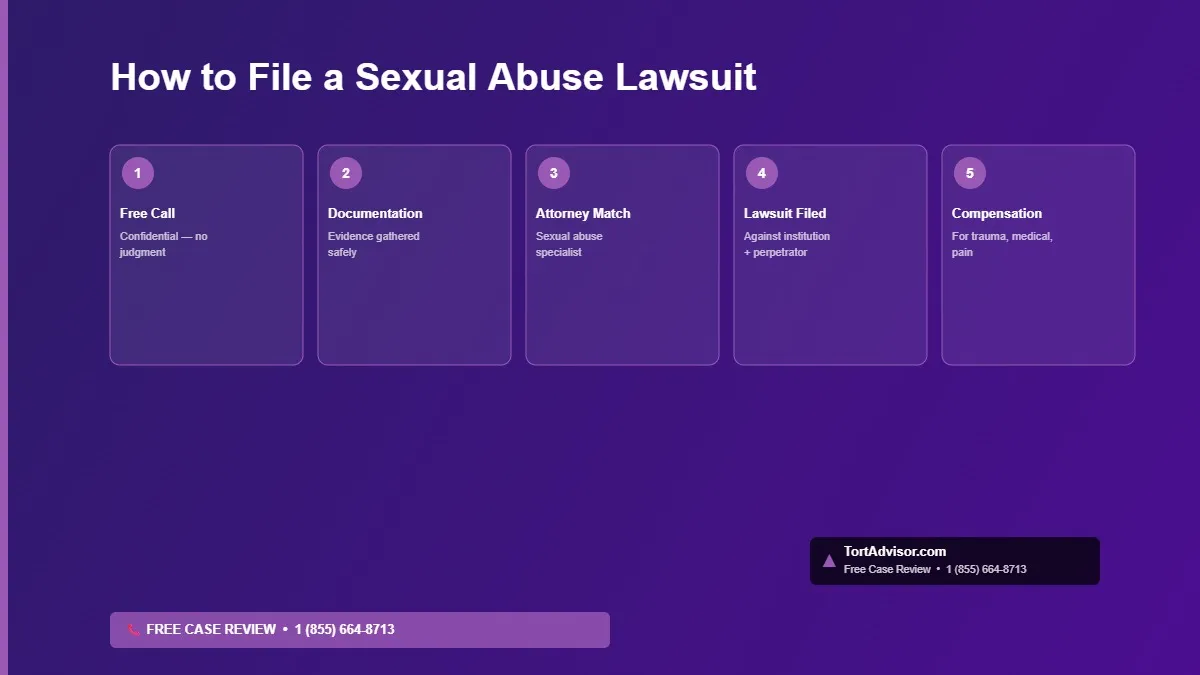
Sexual abuse lawsuit settlement 2026: a compensation guide for survivors — who qualifies, what affects case value, and how to file. Free confidential evaluation available 24/7.
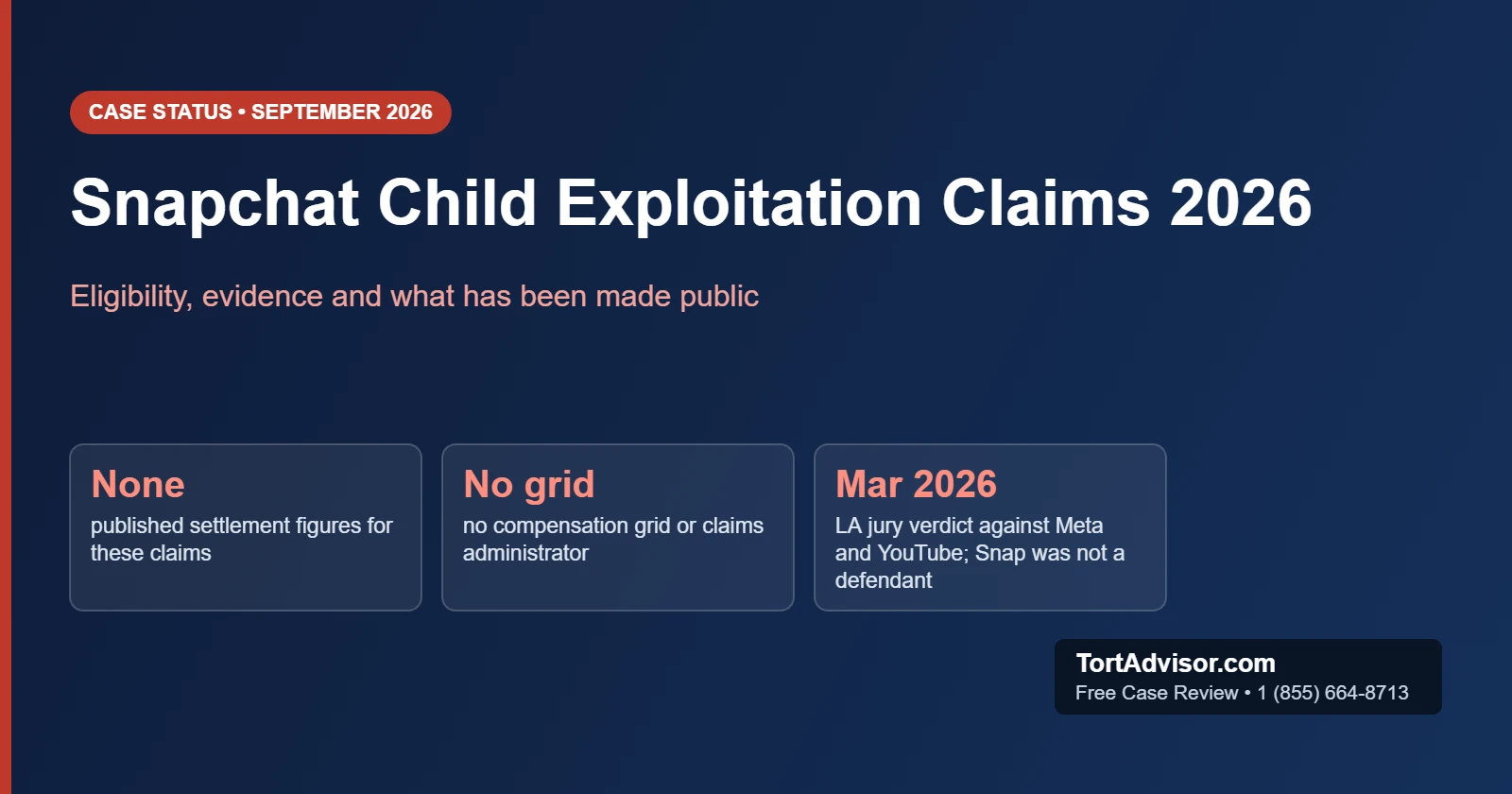
Is your family eligible for the Snapchat child exploitation settlement 2026? Complete guide to who qualifies, what compensation may be available, and how to file. Free confidential case evaluation.
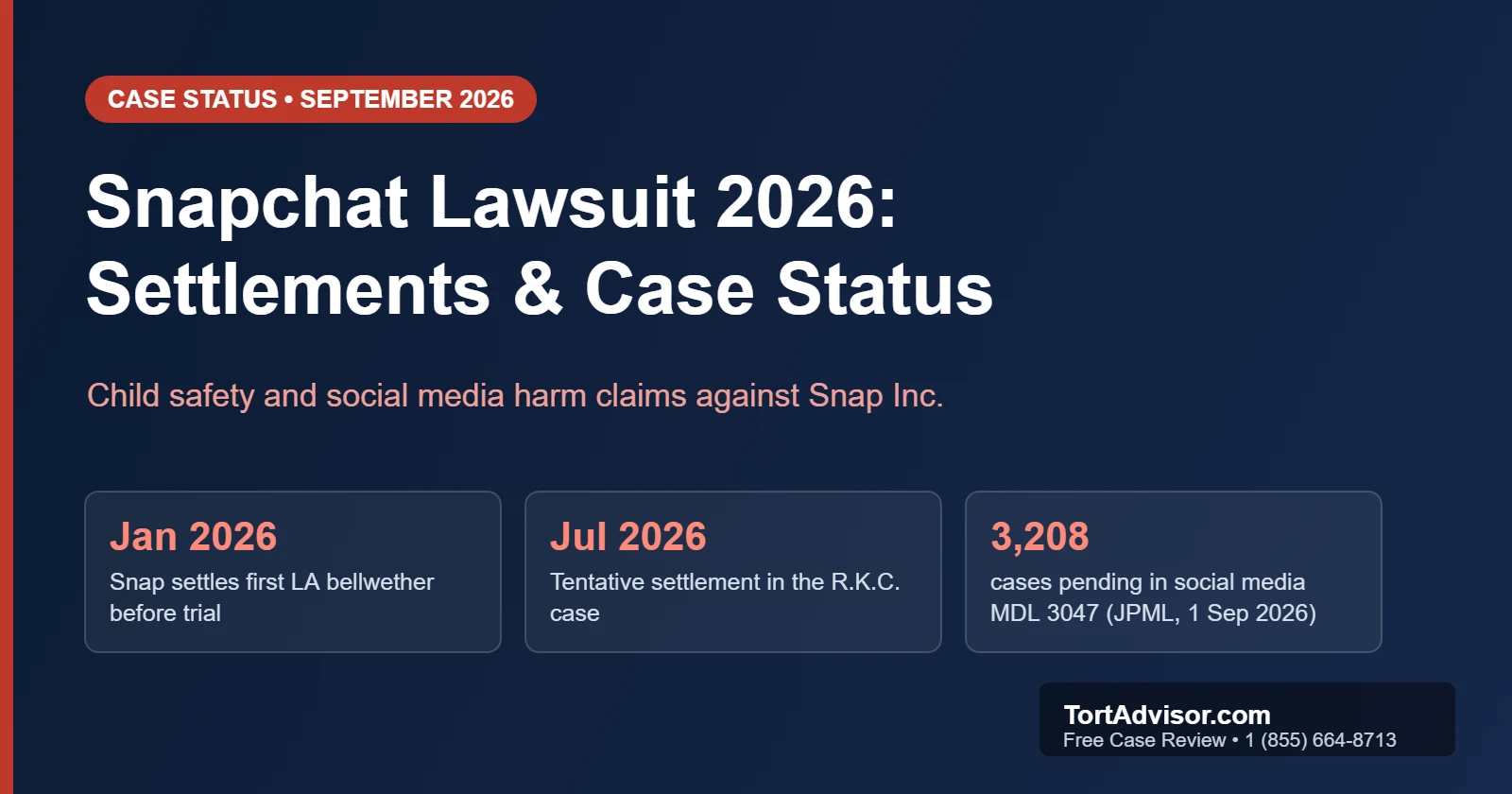
Snapchat lawsuit 2026: Snap settled its first Los Angeles bellwether cases confidentially and remains a defendant in the federal social media MDL. Learn the case status, who qualifies and how to get a free case review.

Learn what is cocsa, identify signs, and get crucial support. Empowering guide for parents & caregivers on child safety.
Key facts (as of October 2026)
- The CDC reports that at least one in four girls and one in 20 boys in the U.S. experience child sexual abuse, about 90% of it by someone the child or family knows and trusts.
- New York allows childhood abuse claims until age 55, against the abuser or any party whose negligence led to the abuse (CPLR 208(b)).
- California has no deadline for childhood sexual assault on or after January 1, 2024; earlier abuse follows the law in effect on December 31, 2023.
- Rhode Island's revival law took effect July 1, 2026; previously expired claims must be filed by June 30, 2028.
- Maryland's 2025 law caps previously time-barred claims filed on or after June 1, 2025 at $400,000 against public entities and $700,000 in noneconomic damages against others.
Claim types in this category
- Clergy sexual abuse: priests, ministers and religious organizations, including dioceses in bankruptcy
- Institutional sexual abuse: youth organizations such as the Boy Scouts, camps and residential programs
- Athlete sexual abuse: coaches, trainers and sport organizations
- Daycare sexual abuse: child care centers and home-based providers
- Foster care sexual abuse: foster homes, group homes and child welfare agencies
Children harmed at school, online or in custody are covered under school sexual abuse, Roblox, Snapchat and detention center claims.
Who can be held responsible
The person who committed the abuse can be sued directly. Organizations with a duty to protect the child can also be responsible for their own failures, such as inadequate screening, poor supervision, ignoring reports or moving a known abuser to a new role. When another child caused the harm, claims usually center on the adults responsible for supervision; our guide to child-on-child sexual abuse (COCSA) explains how those cases differ.
Filing deadlines and lookback windows
Many survivors do not disclose abuse until adulthood, and state laws increasingly reflect that: some set an age limit, and others run the clock from when the survivor connected the abuse to an injury. Lookback windows temporarily revive expired claims: California's AB 218 window ran for three years from January 1, 2020, New York's Child Victims Act window has closed, and Rhode Island's is open until June 30, 2028. New York and California also exempt these claims from their usual government notice rules, which matters for public schools and agencies. Where abuse involved listed federal offenses, 18 U.S.C. § 2255 sets no time limit.
Where to get support
If a child is in immediate danger, call 911. The Childhelp National Child Abuse Hotline, (800) 422-4453, offers call, text and chat support; it is not a reporting line, so suspected abuse should also be reported to child protective services or police. Adult survivors can call RAINN at 800-656-HOPE (4673), free and confidential, 24/7.
Frequently asked questions
Can a parent file a lawsuit for a child who was abused?
Generally, yes. A parent or legal guardian usually brings the claim on a minor's behalf, and settlements for children often need court approval. In many states the deadline for the child's own claim does not start until age 18, while parents' separate claims, such as for treatment costs they paid, can follow different deadlines.
The abuse happened decades ago. Is it too late?
Not necessarily. Several states allow childhood abuse claims well into adulthood, measure the deadline from when the survivor understood the harm, or have opened lookback windows. The answer depends on the state where the abuse happened, the survivor's current age and who would be sued, so a current legal review matters.
Does a lookback window apply to institutions or only to the abuser?
It depends on the statute. New York's age-55 rule expressly reaches any party whose intentional or negligent acts or omissions led to the abuse, and Rhode Island's 2026 law was described by its sponsors as reaching institutions and supervisors accused of enabling or covering up abuse. Each state's law needs to be read on its own terms.
Sources
Filter Posts
Browse by Category