
Sexual abuse lawsuits are civil claims in which survivors seek compensation from the person who caused harm and, often, from the institution, employer or company that failed to prevent it. As of October 2026, filing deadlines depend on the state, the survivor's age and who is being sued, and several states have extended, removed or temporarily reopened deadlines for childhood abuse.
Updates on Sexual Abuse Lawsuits
Institutional sexual abuse lawsuit 2026: complete guide for survivors of clergy, school, coach and camp abuse. Who qualifies, how state filing windows work, and what the claims process involves. Free confidential evaluation available 24/7.
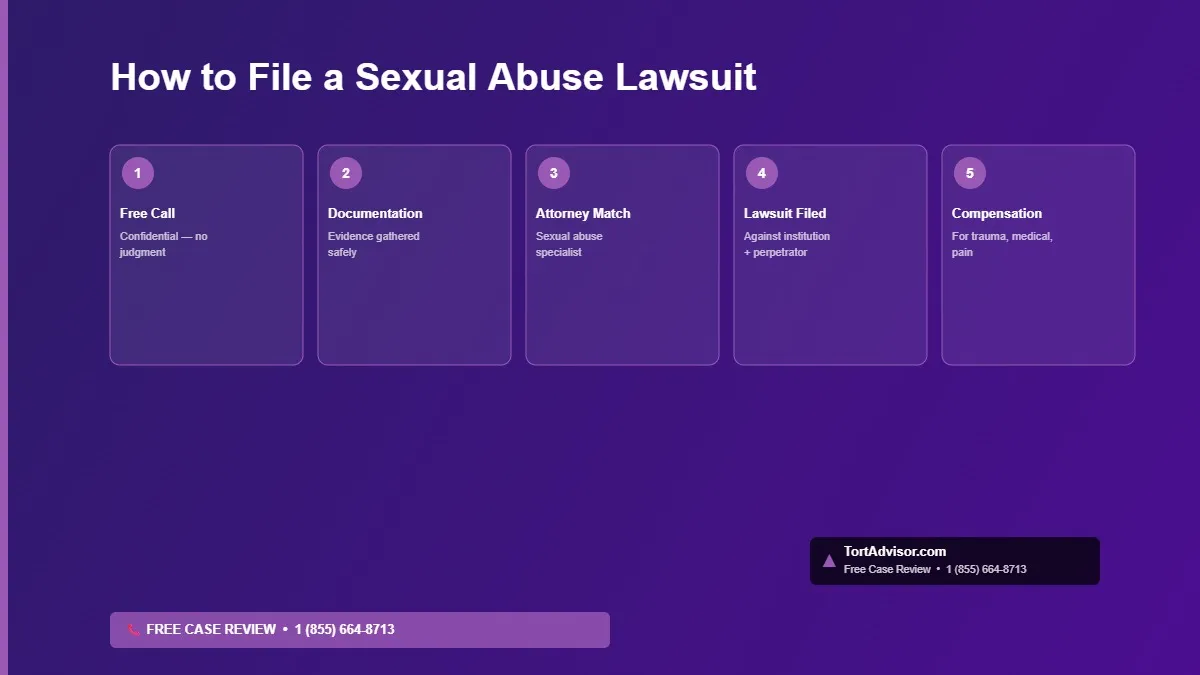
Sexual abuse lawsuit settlement 2026: a compensation guide for survivors — who qualifies, what affects case value, and how to file. Free confidential evaluation available 24/7.
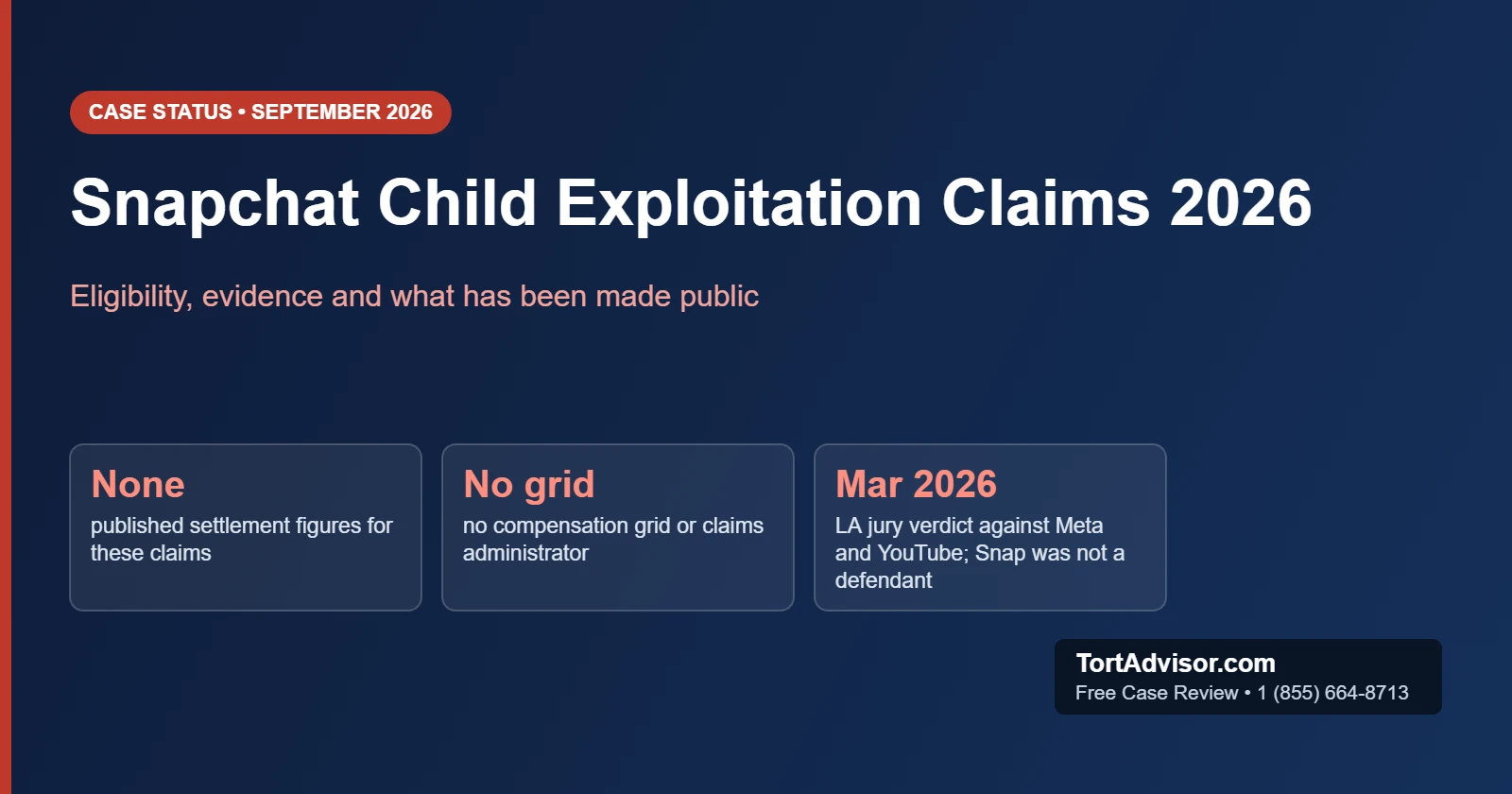
Is your family eligible for the Snapchat child exploitation settlement 2026? Complete guide to who qualifies, what compensation may be available, and how to file. Free confidential case evaluation.
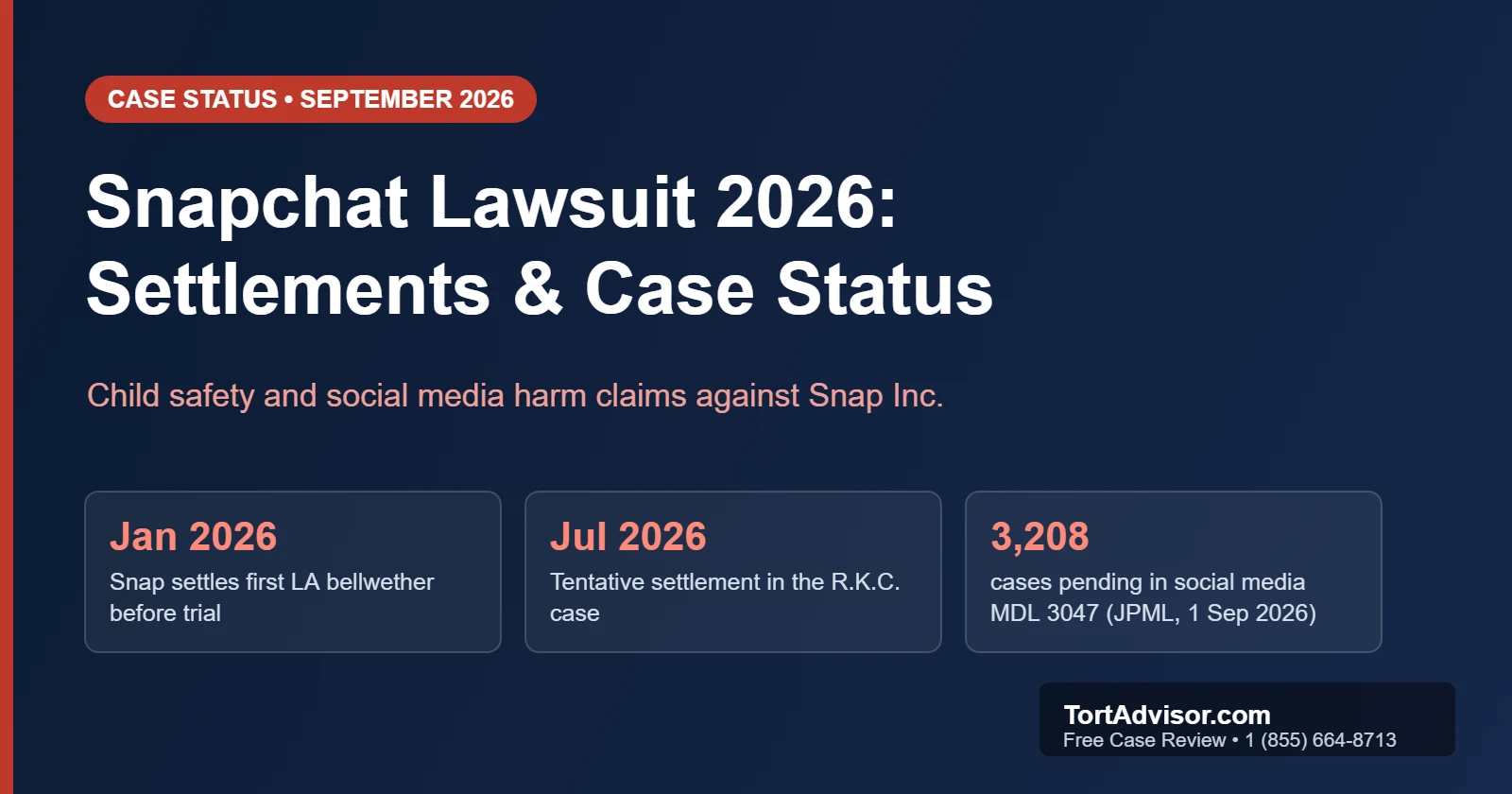
Snapchat lawsuit 2026: Snap settled its first Los Angeles bellwether cases confidentially and remains a defendant in the federal social media MDL. Learn the case status, who qualifies and how to get a free case review.

Learn how to qualify for an Uber sexual assault lawsuit: MDL 3084 criteria, evidence, deadlines & compensation steps.

File an uber sexual assault claim. Discover Uber's failures, the MDL process, and how to seek justice and compensation for survivors.

Learn what is cocsa, identify signs, and get crucial support. Empowering guide for parents & caregivers on child safety.
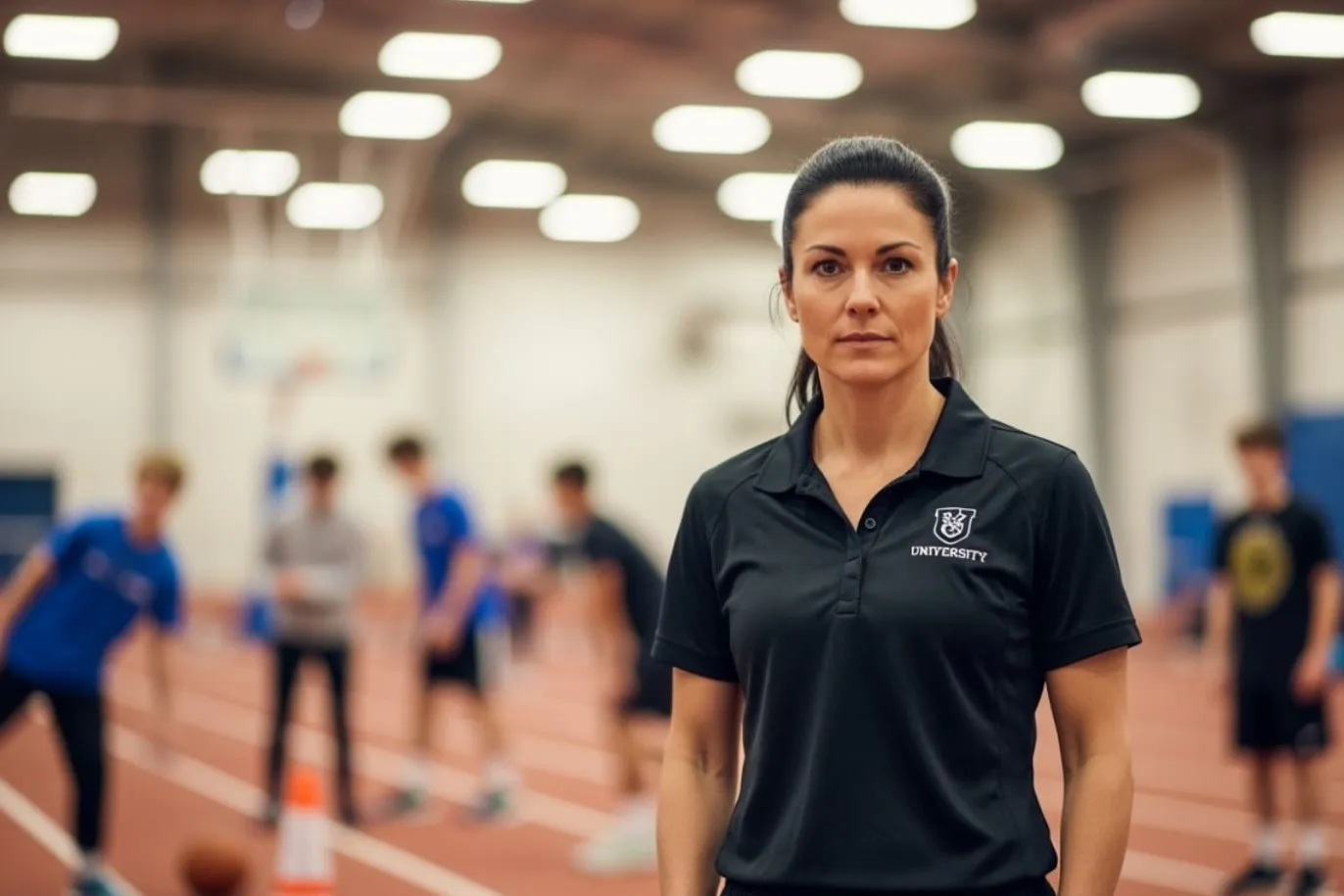
Learn how an athletic director no tolerance policy sexual abuse protects athletes. Discover policy creation, reporting, and legal consequences.
Key facts (as of October 2026)
- People harmed as minors by listed federal sex offenses can sue with no time limit under 18 U.S.C. § 2255.
- A person alleging sexual assault or harassment can choose court over a pre-dispute arbitration agreement (9 U.S.C. § 402).
- Rhode Island's law signed June 11, 2026 revives expired childhood abuse claims if filed by June 30, 2028.
- California has no deadline for childhood sexual assault on or after January 1, 2024.
- The JPML's October 1, 2026 report listed 4,916 pending Uber (MDL 3084), 134 Lyft (MDL 3171) and 180 Roblox (MDL 3166) cases.
Find your claim type
- Child sexual abuse, including clergy, institutional, athlete, daycare and foster care claims
- School and teacher sexual abuse
- Medical sexual abuse
- Rideshare sexual assault
- Roblox and Snapchat online exploitation
- Workplace sexual harassment and assault
- Detention center sexual abuse
Who can be held responsible
A civil claim can name the person who committed the abuse, but many cases focus on organizations. Schools, religious bodies, youth programs, employers and facilities can be responsible for their own failures, such as skipping screening, ignoring complaints or leaving a known risk in place. Claims against rideshare and technology companies usually focus on safety design, screening and warnings. A civil case is separate from any criminal prosecution.
Filing deadlines and lookback windows
There is no single national deadline. Childhood abuse claims often have much longer limits than other injury claims, and some states have passed lookback laws that temporarily reopen expired claims, though state courts disagree about whether those laws can revive old claims. Adult workplace claims move faster: an EEOC discrimination charge generally must be filed within 180 days, or 300 days where a state or local agency enforces a similar law. Our statute of limitations guide explains the rules.
Evidence and privacy
Helpful records include messages, reports made to a school, employer, platform or police, counseling records and the names of people the survivor told. Nothing has to be gathered before speaking with an attorney. Federal law generally bars courts from enforcing nondisclosure clauses signed before a sexual assault or harassment dispute arose (42 U.S.C. § 19403).
Where to get support
RAINN's National Sexual Assault Hotline, 800-656-HOPE (4673), is free, confidential and open 24/7. For concerns about a child, call Childhelp at (800) 422-4453. In an emergency, call 911.
Frequently asked questions
Can I file a civil lawsuit if the abuser was never charged with a crime?
Yes. A civil lawsuit is separate from any criminal prosecution. It seeks compensation rather than punishment, uses a lower standard of proof, and can usually proceed whether or not police were called or charges were filed. A conviction, where one exists, can still be useful evidence.
Is there one deadline for every sexual abuse lawsuit?
No. The deadline depends on the state, the survivor's age at the time, when the abuse was disclosed or connected to an injury, and who is being sued. Public agencies, organizations in bankruptcy and employers can have their own deadlines, and some states have reopened expired claims.
Does an arbitration agreement stop me from going to court?
Not necessarily. Under 9 U.S.C. § 402, a person alleging sexual assault or sexual harassment can choose not to be bound by an arbitration agreement or joint-action waiver signed before the dispute arose. The choice belongs to the person bringing the claim, which can matter when employer or app terms require arbitration.
Can I file without my name becoming public?
Sometimes. Survivors can ask a court for permission to proceed under initials or a pseudonym, and whether it is granted depends on the court and the case. Settlements may also include confidentiality terms, which are separate from the pre-dispute clauses federal law restricts.
Sources
Sexual Abuse questions answered, with sources
A deadline you were told had passed may not have
Many states have lengthened or removed time limits for sexual abuse claims, and some have reopened expired ones. California has no time limit for childhood sexual assault occurring on or after January 1, 2024, and gives adult survivors 10 years. A confidential review checks your dates. California law (CCP 340.1)
Free · Confidential · No obligation
Free Sexual Abuse Case Review
Tell us what happened and a trained case advisor will review it. You choose whether you want to be contacted.
- 1Share the basicsOnly what you are comfortable sharing.
- 2A case advisor reviews itAgainst the time limits in your state.
- 3You decide what happens nextNo cost and no obligation.
- Confidential by designYour review is private; courts often allow Jane Doe filings
- Built from the law itselfState statutes, court records and agency rules
- No invented payoutsWe cite only settlements on the public record
- Checked Nov 12, 2026Time limits re-read against the statutes
Prefer to talk it through?
TortAdvisor is not a law firm and does not give legal advice. A trained case advisor, not an attorney, may make the first contact. See our partner list and privacy policy.
Filter Posts
Browse by Category