
When a Neighbor’s Fire Becomes Your Legal Crisis
California wildfire arson neighbor lawsuits are among the most complex personal injury cases you can face — but here is what you need to know right now:
Quick Answer: Can you sue a neighbor who started a wildfire?
- Yes. If a neighbor intentionally or negligently started a fire that damaged your property, you can sue them in civil court.
- You do not need a criminal conviction to file a civil lawsuit.
- You can recover costs for property damage, medical bills, lost income, emotional distress, and more.
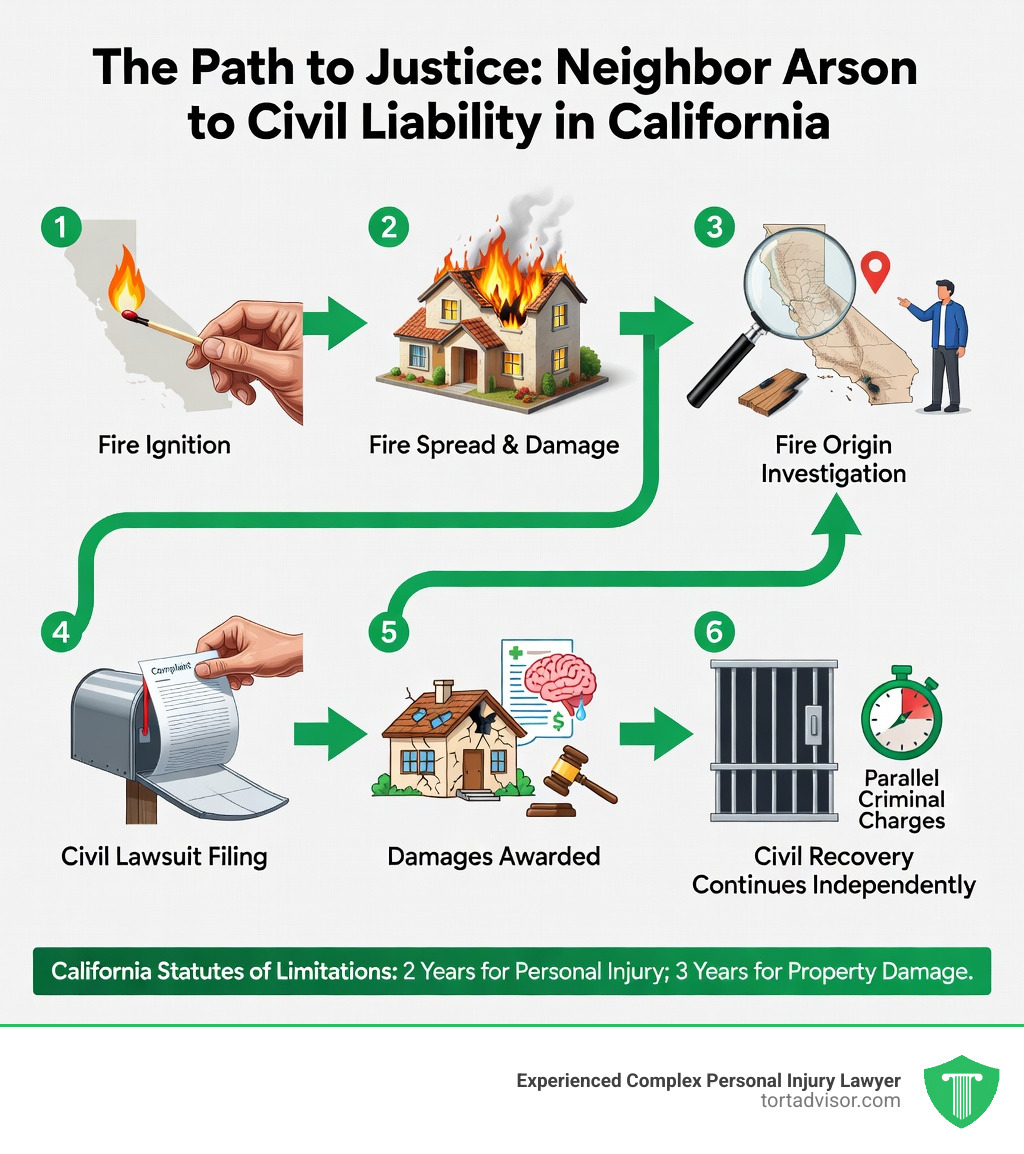
- California gives you 2 years from the incident to sue for personal injury and 3 years for property damage.
- Even if your neighbor is charged criminally, your civil claim is separate and moves on its own timeline.
The 2025 Los Angeles wildfires made this devastatingly real. Federal prosecutors charged 29-year-old Jonathan Rinderknecht with allegedly starting a small brush fire on New Year’s Day that smoldered underground — then reignited on January 7 as the catastrophic Palisades Fire. The result: 12 deaths, over 17,000 structures destroyed, and up to $150 billion in estimated losses, making it one of the deadliest fires in Los Angeles County history.
If you lost your home or a loved one to a neighbor’s reckless or intentional act, you are not powerless. California law gives fire victims real tools to fight back.
I’m Mason Arnao, and while my background is rooted in technology and data systems, my work in internet research, lead generation, and SEO has given me deep expertise in helping people navigate complex legal topics — including the california wildfire arson neighbor lawsuit landscape. In the sections below, I’ll walk you through exactly how these cases work, what evidence matters, and what your legal options are.
The Palisades Fire Case Study: From New Year’s Spark to Catastrophe
The story of the Palisades Fire is a chilling example of how a seemingly small act of negligence or malice can transform into a historic disaster. It all began on the morning of January 1, 2025. While most of Los Angeles was ringing in the New Year, a small brush fire was ignited near Temescal Ridge. At the time, some suspected the fire was possibly caused by fireworks, a common enough occurrence in Southern California.
However, the fire department’s initial response appeared to have quelled the flames. Or so everyone thought.
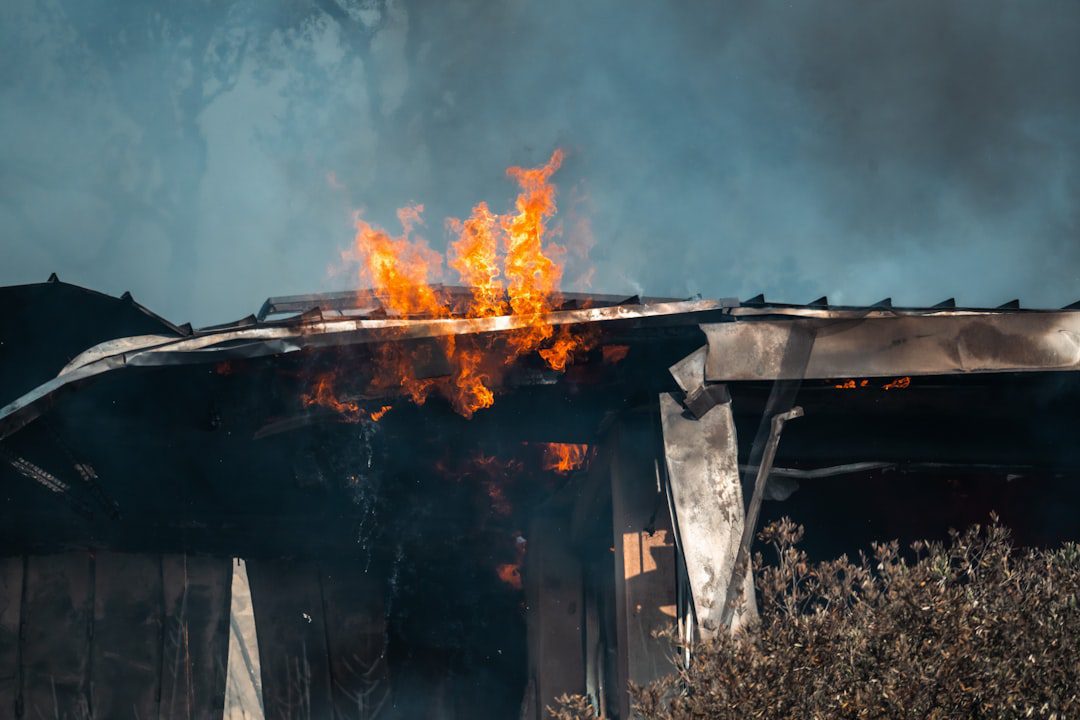
What happened next is a phenomenon that haunts fire investigators: a “sleeper” fire. The blaze allegedly smoldered underground, feeding on dry roots and organic matter, hidden from view. On January 7, 2025, fueled by the fierce Santa Ana winds that reached hurricane-like levels, the fire exploded.
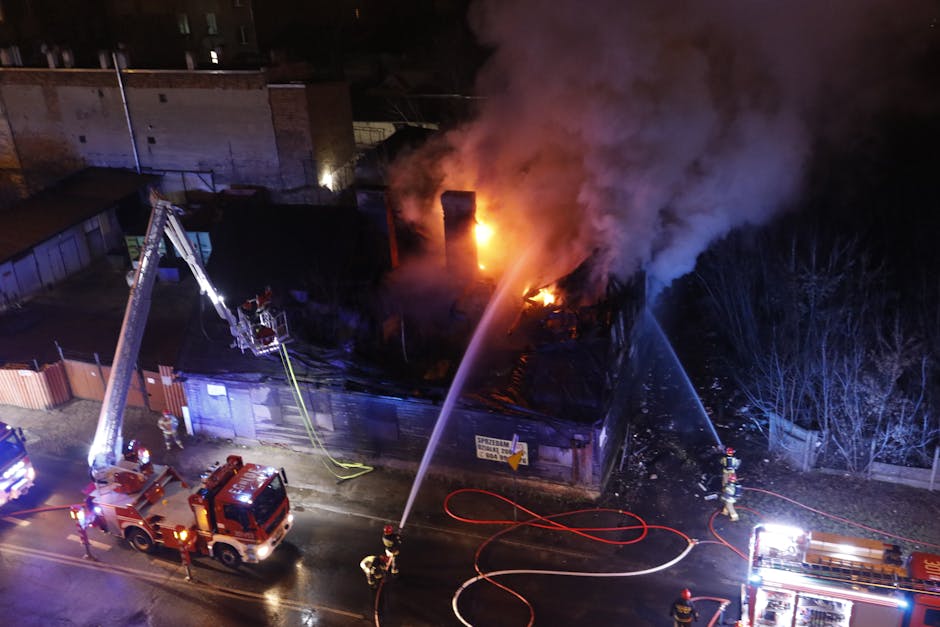
The Palisades wildfire has burned 654 acres in its initial burst, but it quickly grew into a monster. By the time it was over, the Palisades Fire, alongside the Eaton and Hurst fires, had burned more than 40,000 acres. The human cost was staggering, with 27 fatalities across Los Angeles County, twelve of whom were killed specifically by the Palisades Fire in the Pacific Palisades and Malibu areas.
For those left behind, the destruction was total. More than 12,000 homes, structures, and businesses have been destroyed, and early estimates suggest the losses from the Los Angeles fires total up to $150 billion. If you are struggling with the aftermath, our california-wildfire-2025-update provides the latest on the recovery efforts and legal landscape.
Proving Liability in a California Wildfire Arson Neighbor Lawsuit
When we talk about a california wildfire arson neighbor lawsuit, the “how” is just as important as the “who.” In the case of Jonathan Rinderknecht, federal prosecutors have built a case using a high-tech trail of breadcrumbs. Linking a fire that started on January 1 to a disaster that peaked on January 7 is no small feat for a prosecutor, but the evidence against Rinderknecht is substantial.
Authorities were able to link Rinderknecht to the fire through:
- iPhone Geolocation: Data placed him within 30 feet of the fire’s origin point on New Year’s Day.
- Uber Data: As an Uber driver, his vehicle’s movements were tracked, showing him returning to the scene multiple times.
- Video Evidence: Rinderknecht allegedly filmed the fire and followed fire engines, capturing the destruction on his own phone.
- Physical Evidence: A lighter was found in his car that matched the type of ignition source suspected at the scene.
Despite these findings, the defense, led by attorneys like Jerod Gunsberg, will likely challenge the six-day gap between the initial spark and the major outbreak. Proving that the first fire directly caused the second is the central hurdle in this california wildfire arson neighbor lawsuit. However, as we note in our wildfire-property-damage-claim-complete-guide, fire origin analysis has become incredibly precise, sometimes pinpointing a spark to within three inches.
If you are wondering if you can sue a neighbor for fire damage in California, the answer is a resounding yes, provided you can establish that their actions—whether intentional or negligent—were the proximate cause of your loss.
The Role of Intent and Negligence in a California Wildfire Arson Neighbor Lawsuit
In California, arson is governed by Penal Code Section 451. To win a california wildfire arson neighbor lawsuit, we don’t always have to prove “arson” in the criminal sense. We often look at two different standards:
- Willful and Malicious (Arson): This is a violation of Penal Code Section 451(b). It means the person intended to set the fire. Even burning trash that doesn’t belong to you can qualify, as seen in People v. Maldonado.
- Negligence: This is more common. It involves a “breach of the duty of care.” If a neighbor fails to maintain their electrical equipment or leaves a campfire unattended, they are liable for the spread.
We help victims navigate these california-wildfire-legal-claims by identifying exactly where the neighbor’s responsibility began and where their “reckless behavior” caused the damage. Under section 451(d), arson of property (even if it’s just brush or “trash”) carries heavy penalties and clear civil liability.
Civil Claims vs. Criminal Charges in a California Wildfire Arson Neighbor Lawsuit
It is a common misconception that you have to wait for a criminal conviction to sue. In reality, the two tracks are very different:
- Criminal Case: The state must prove guilt “beyond a reasonable doubt.” The goal is punishment (prison).
- Civil Case: We only need to prove liability by a “preponderance of the evidence” (it is more likely than not that they did it). The goal is compensation for you.
In a civil california wildfire arson neighbor lawsuit, you can seek damages that the criminal court might not cover. This includes california-wildfire-wrongful-death claims if a family member was lost, as well as punitive damages designed to punish the offender for particularly egregious acts. To see what your case might be worth, you can use our calculator/california-wildfire-settlement-calculator.
Recently, District Attorney Hochman Announces Additional Charges for wildfire-related crimes, which can sometimes help bolster a civil case by providing a public record of the offender’s actions.
The Neighbor Dispute: Sexual Assault Allegations and Legal Deflection
The Rinderknecht case took a bizarre turn when he filed a civil lawsuit in March 2025 against a former neighbor. In this pro se (self-represented) filing, Rinderknecht claimed he was the victim of an attempted sexual assault in a Hollywood apartment building. He alleged the neighbor used crack cocaine, exposed himself, and attempted to assault Rinderknecht while he was preparing food.
Why does this matter to a wildfire case? Federal prosecutors pointed out that this alleged assault occurred in an apartment that was under law enforcement surveillance at the same time the Palisades Fire was being investigated. Rinderknecht’s claims were seen by some as a “legal deflection”—an attempt to portray himself as a victim rather than a perpetrator.
The lawsuit was ultimately dismissed in September 2025 because neither party showed up for the hearing. While it may seem like a side-show, these kinds of neighbor disputes are common in arson cases. We see similar patterns in tort/university-sexual-assault-lawsuits and other complex litigations where one party uses a separate legal claim to muddy the waters.
For the victims of the fire, the fact remains that the Palisades Fire suspect claims to be attempted sex assault victim did nothing to rebuild their homes or bring back their loved ones.
Beyond the Arsonist: Suing Utilities and Government Entities
While an individual arsonist may have struck the match, they often aren’t the only ones at fault. In many Los Angeles wildfire cases, victims are looking at larger entities whose negligence allowed a small fire to become a catastrophe.
For instance, two California judges filed suit against the Los Angeles Department of Water and Power (LADWP) after their homes were destroyed. Their argument? The utility failed to maintain water pressure in the reservoirs, leading to why hydrants went dry during the height of the blaze.
Victims are also suing Southern California Edison (SCE). Even though an arsonist is suspected in the Palisades Fire, SCE equipment has been linked to the Eaton and Hurst fires. In some cases, Southern California Edison has cut power to thousands of customers to prevent sparks, but when they fail to do so during high winds, they can be held strictly liable under a doctrine called inverse condemnation.
This means if a utility’s equipment causes a fire, they are responsible for the damages regardless of whether they were “negligent” in the traditional sense. This is a powerful tool for recovering wildfire-smoke-damage-claims and total property losses. A recent written ruling by Judge Samantha Jessner confirmed that victims can indeed pursue LADWP for these water supply failures.
Frequently Asked Questions about Wildfire Arson Lawsuits
Can I sue my neighbor if their negligence started a wildfire?
Absolutely. We have seen cases where a Homeowner Sued $25 million Over California Wildfire because of a faulty electrical box. To protect yourself and your neighbors, it is vital to create 10 feet of “defensible space” around your home. If a neighbor ignores fire safety codes or fails to prune dry vegetation, they are creating a hazard. You can find more information on these types of liabilities in our category/wildfires section.
What evidence is needed to link an arsonist to fire damages?
Modern investigations are incredibly thorough. Newly released video footage from Ring cameras or drones often provides the first clue. Investigators also use:
- Geolocation data from cell phones and car GPS.
- Chemical analysis of soil to find accelerants.
- Witness testimony from hikers or neighbors.
- Fire origin analysis to trace the burn patterns back to a single point.
As the US Forest Service says, people cause fires in many ways, and we work to ensure the right person is held accountable in a tort/wildfire-lawsuit.
How do arson cases impact insurance payouts for victims?
Arson can complicate insurance in several ways. Issues regarding vacancy and occupancy often invite coverage disputes during arson investigations. If an insurance company suspects the homeowner was involved in the arson, they may deny the claim. However, for innocent victims, the fact that the fire was arson shouldn’t prevent a payout.
The bigger problem is that many homeowners are also facing incredible delays as they try to get permits or find that they are underinsured because their policies were canceled months before the fire. In these cases, a lawsuit against the responsible neighbor or utility is often the only way to fill the financial gap.
Conclusion
At Tort Advisor, we know that a california wildfire arson neighbor lawsuit is about more than just money—it’s about justice and the ability to rebuild a life that was turned to ash in an instant. Whether the fire was started by a reckless neighbor like Jonathan Rinderknecht or intensified by the failures of a utility company like LADWP, you have the right to hold them accountable.
The road to recovery is long, but you don’t have to walk it alone. From navigating complex insurance subrogation to filing a wrongful death claim, we are here to connect you with the expertise you need. For a comprehensive look at your rights, please visit our california-wildfire-lawsuit-guide. Let’s turn the heat back on those responsible.
Free Confidential Case Evaluation
Complete the short form below to get an immediate FREE case review with an expert in your specific claim. Don't wait, your case could be time sensitive to file a claim.
Related Posts

Explore your california wildfire arson neighbor lawsuit options: Palisades Fire case, liability proof, claims vs charges, and victim recovery.

Discover why Utah car accidents are spiking, explore stats & laws, and learn safety steps to protect yourself.

Hire a breast cancer lawyer for misdiagnosis claims. Learn causes, proof, compensation & FAQs in this ultimate guide.
Check your gummy bear implant recall status in 2026. Learn BIA-ALCL risks, FDA updates, recalled models & legal options now.
Find the best pfas attorney near me for PFAS lawsuits. Learn rights, eligibility, settlements & how to choose top local experts now.

Find a consumer product attorney near me in Canada. Expert guide to defective products, claims, top lawyers in Toronto, Montreal & more.