
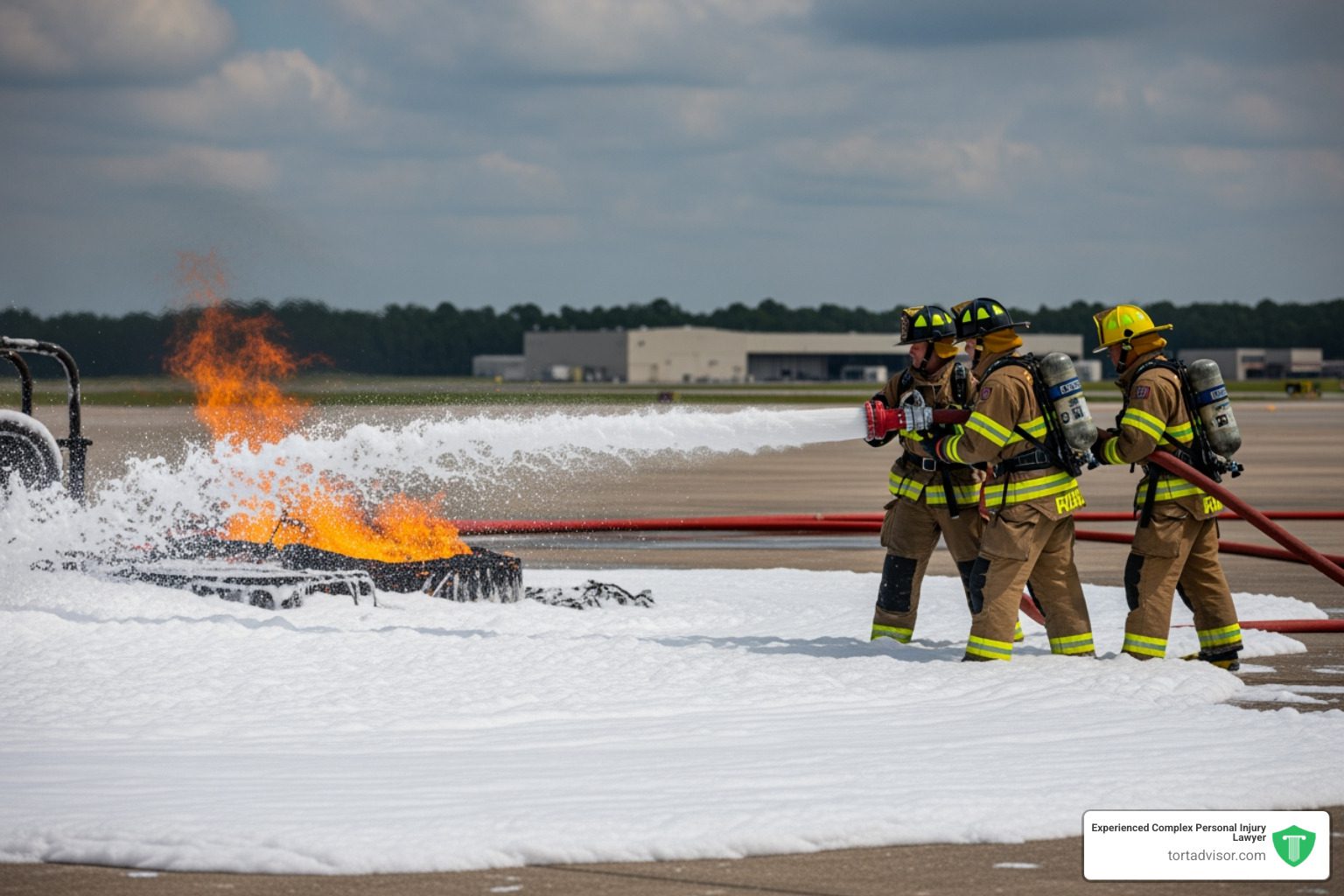

What Is Aqueous Film Foam Cancer — and Should You Be Worried?
Aqueous film foam cancer is a serious and growing public health concern affecting thousands of military personnel, firefighters, and civilians exposed to AFFF (Aqueous Film-Forming Foam) — a chemical firefighting agent linked to multiple types of cancer.
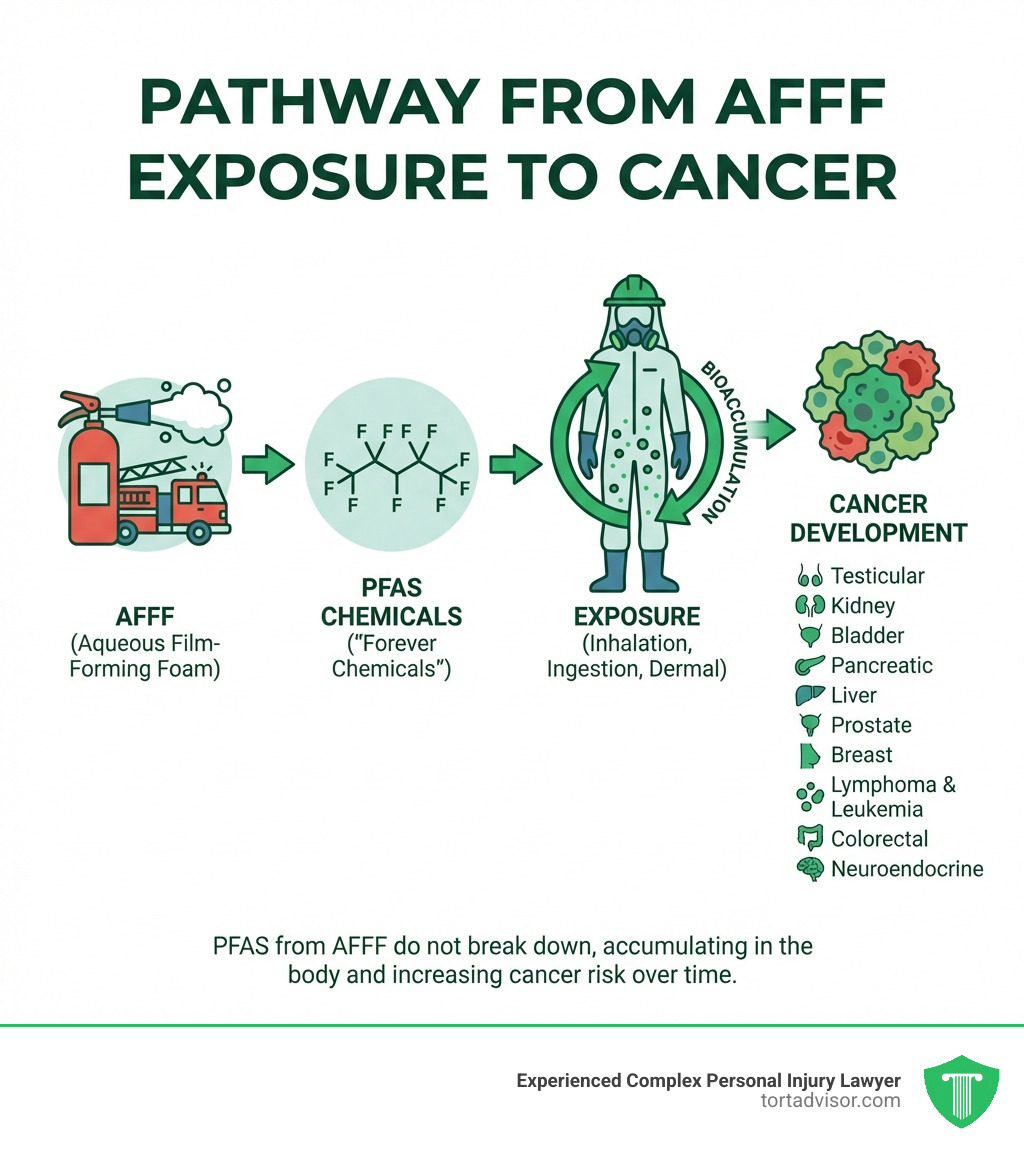
Cancers linked to AFFF exposure include:
| Cancer Type | Risk Group Most Affected |
|---|---|
| Testicular cancer | Military airmen, Air Force personnel |
| Kidney cancer | Firefighters, military personnel |
| Bladder cancer | Firefighters, industrial workers |
| Pancreatic cancer | Military and civilian firefighters |
| Liver cancer | Communities near contaminated water |
| Prostate cancer | Male firefighters, military personnel |
| Breast cancer | Female firefighters |
| Lymphoma & leukemia | Firefighters, airport workers |
| Colorectal cancer | Long-term AFFF-exposed workers |
| Neuroendocrine cancer | Military and industrial workers |
AFFF has been used since the 1960s by the U.S. military, airports, and fire departments to fight flammable liquid fires. It works by smothering flames with a chemical film that cuts off oxygen. But that effectiveness comes at a serious cost.
The foam contains PFAS — per- and polyfluoroalkyl substances — a class of synthetic chemicals that do not break down in the environment or in the human body. Scientists call them “forever chemicals” for a reason. They accumulate over time, and research has directly tied them to cancer development in people exposed through their work or contaminated drinking water.
The Department of Defense has identified 723 military installations where PFAS from AFFF may have been used or released. Nearly all Americans have detectable PFAS in their blood — but for firefighters and military personnel, levels can be two to three times higher than the general population.
If you or someone you love was exposed to firefighting foam and later diagnosed with cancer, you are not alone — and you may have legal options.
I’m Mason Arnao, and while my background is in technology, data systems, and digital research, I’ve applied that expertise to deeply researching complex topics like aqueous film foam cancer to help individuals find clear, accurate information when they need it most. This guide is designed to cut through the confusion and give you a straightforward picture of the risks, the science, and your options.
Understanding AFFF and the Role of PFAS Chemicals
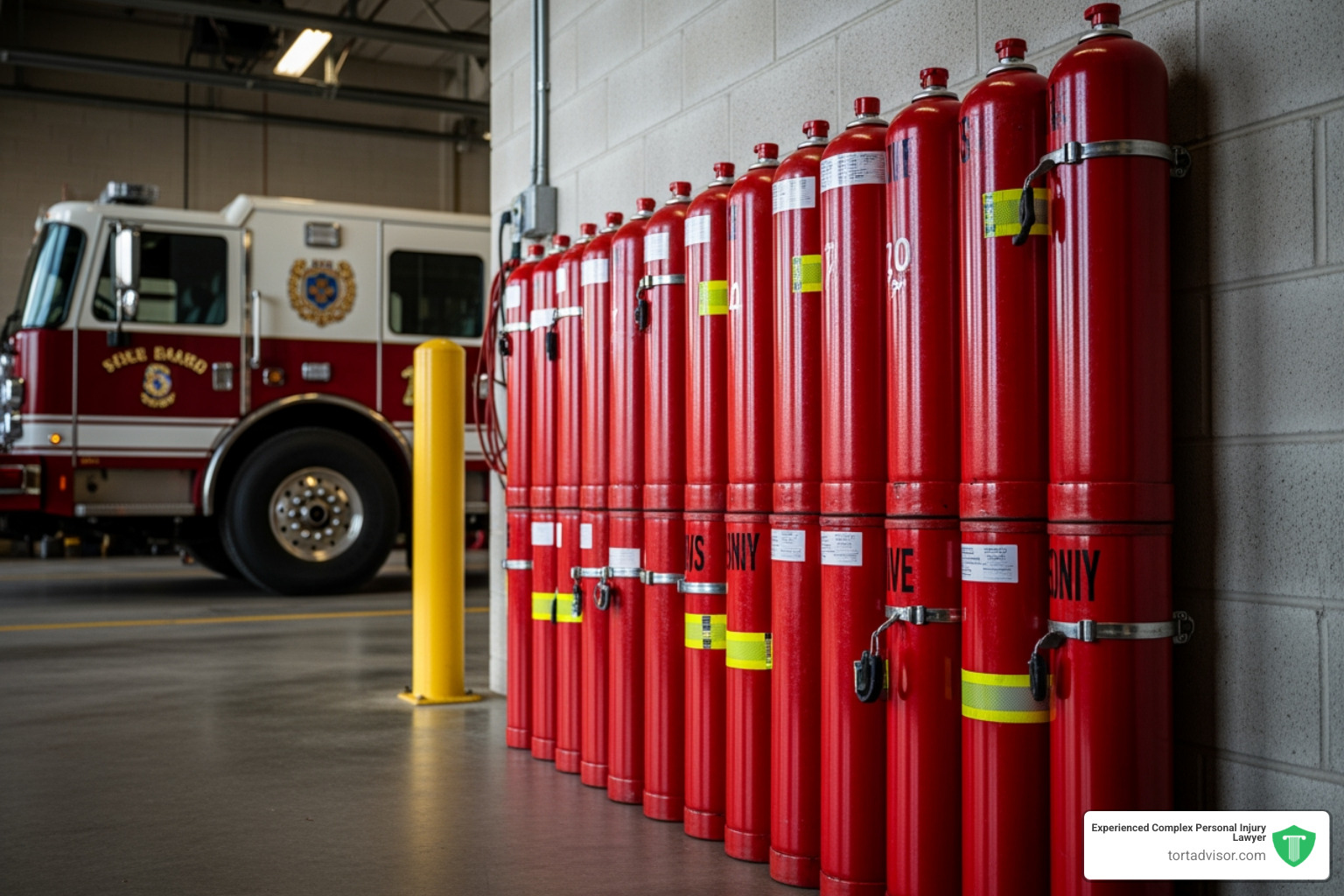
To understand how aqueous film foam cancer develops, we have to look at the chemistry inside those heavy red canisters. AFFF is specifically designed for “Class B” fires—the kind fueled by petroleum, jet fuel, or solvents. Water alone doesn’t work on these fires; it just sinks to the bottom while the fuel keeps burning on top. AFFF creates a thin, soapy film that glides across the surface of the fuel, cutting off the oxygen supply and cooling the liquid.
The “magic” ingredient that makes this film possible is a group of chemicals called PFAS (per- and polyfluoroalkyl substances). Within the AFFF used for decades, two specific types of PFAS were most common:
- PFOS (Perfluorooctane sulfonate)
- PFOA (Perfluorooctanoic acid)
These chemicals are defined by their carbon-fluorine bonds. In chemistry, this is one of the strongest bonds known to man. It’s so strong that nothing in nature—not bacteria, not sunlight, not time—can break it down. This is why they are called “forever chemicals.” Once they get into your bloodstream or the groundwater near a military base, they stay there for years.
The DoD efforts on PFAS have recently shifted toward cleaning up the mess left behind by decades of mandatory training exercises. Because these chemicals dissolve easily in water and spread quickly, they don’t just stay on the training field. They seep into the soil and migrate into the drinking water of surrounding communities.
Recognizing this danger, the federal government has finally stepped in. EPA’s efforts on drinking water limits reached a milestone in April 2024, setting the first-ever national, legally enforceable limits for several PFAS compounds. The goal is to prevent the chemical persistence that has led to a surge in aqueous film foam cancer cases across the United States.
Aqueous Film Foam Cancer: Identifying the Primary Health Risks
When we talk about aqueous film foam cancer, we aren’t just talking about one disease. Because PFAS chemicals act as endocrine disruptors and can interfere with cellular signaling, they have been linked to a wide array of malignancies.
The International Agency for Research on Cancer (IARC) has classified PFOA as “carcinogenic to humans” and PFOS as “possibly carcinogenic to humans.” For firefighters and military personnel, the risk isn’t just theoretical. Scientific research on firefighter cancer risk shows that these professionals face significantly higher rates of several specific cancers compared to the general public.
Primary Cancers Linked to AFFF:
- Kidney Cancer: One of the most strongly linked conditions. PFAS are filtered through the kidneys, where they can cause cellular damage and mutations.
- Pancreatic Cancer: Research suggests that high levels of PFAS exposure can lead to an increased risk of this aggressive cancer.
- Prostate Cancer: Male firefighters have shown a higher incidence of prostate cancer, often at younger ages than typical.
- Liver Cancer: Recent studies using human hepatocytes (liver cells) show that AFFF exposure triggers pathways associated with liver injury and tumor growth.
- Breast Cancer: A growing body of evidence, including studies on female firefighters in cities like San Francisco, shows a link between PFAS and reproductive cancers.
Testicular Germ Cell Tumors and Aqueous Film Foam Cancer
Testicular cancer is the most frequently diagnosed cancer among U.S. active-duty servicemen. For years, the military community wondered why. A groundbreaking scientific research study on testicular cancer in service members finally provided a smoking gun.
The study analyzed blood samples from 530 airmen who developed testicular cancer and compared them to 530 cancer-free service members. The results were clear: those with testicular cancer had significantly higher concentrations of PFOS in their blood.
In the U.S., more than 98% of men who have testicular cancer suffer from testicular germ cell tumors. The fact that PFOS—a primary ingredient in legacy AFFF—is so closely associated with these tumors is a major reason why so many veterans are now seeking justice.
Other Malignancies Linked to Aqueous Film Foam Cancer
Beyond the “primary” links, aqueous film foam cancer encompasses several other dangerous conditions:
- Bladder Cancer: Often linked to the inhalation of chemical vapors during firefighting.
- Lymphoma and Leukemia: Blood-based cancers that have been observed at higher rates in airport firefighters and those stationed at high-volume training sites.
- Colorectal Cancer: Long-term exposure to PFAS via contaminated water or occupational contact.
- Neuroendocrine Cancer: A rarer form of cancer that has appeared in AFFF-exposed workers.
The Department of Veterans Affairs is paying close attention. There is currently a VA review of kidney cancer evidence underway. This review is a formal part of the process to establish “presumptive service-connection” under the PACT Act, which would make it much easier for veterans to receive benefits for PFAS-related illnesses.
High-Risk Groups and Exposure Pathways
Who is most at risk for aqueous film foam cancer? The risk is highest for those who worked directly with the foam or lived in the shadow of the facilities where it was used.
Military Firefighters and Air Force Personnel
Air Force personnel are often at the “tip of the spear” for PFAS exposure. Because jet fuel fires are incredibly hot and dangerous, the Air Force mandated the use of AFFF for decades. Fire protection specialists used it in weekly training exercises, often without significant respiratory protection or skin barriers.
Civilian Firefighters
Municipal firefighters also face high risks. Whether fighting a warehouse fire or a highway tanker spill, AFFF was the standard tool. Interestingly, even the gear firefighters wear—their “turnout gear”—has been found to contain PFAS, adding another layer of chronic exposure.
Exposure Pathways: How the Chemicals Enter Your Body
- Inhalation: Breathing in the mist or steam created when AFFF is sprayed onto a fire.
- Skin Contact: PFAS can be absorbed through the skin, especially when firefighters are sweating and their pores are open.
- Contaminated Water: This is the most common pathway for civilians. PFAS from AFFF dissolves in water and travels into local wells. ATSDR’s work on PFAS contaminated water is currently tracking these “plumes” of contamination at military bases across the country.
The NIOSH research on occupational PFAS exposure has found that firefighters have geometric mean concentrations of certain PFAS (like PFHxS) that are 2.22 times higher than office workers. This isn’t just a slight increase; it’s a massive occupational health disparity.
Regulatory Actions and Compensation for Affected Individuals
The tide is finally turning against the manufacturers of these toxic foams. For decades, companies like 3M and DuPont allegedly knew about the health risks but continued to sell AFFF without adequate warnings.
The DoD Phase-Out
The Department of Defense is currently working on a massive transition. By October 2025, the military is required to phase out all PFAS-containing AFFF in favor of fluorine-free alternatives. While this is good news for future service members, it doesn’t help those already diagnosed with aqueous film foam cancer.
The PACT Act and Veterans Benefits
The PACT Act (Promise to Address Comprehensive Toxics Act) is the most significant expansion of veteran benefits in decades. While PFAS exposure is not yet a “presumptive condition” (meaning the VA automatically assumes your service caused the cancer), the VA is actively reviewing the science.
If you are a veteran, you don’t have to wait for a presumption to be passed. You can File a claim online right now. VA claims for PFAS are currently decided on a case-by-case basis, so having strong medical evidence and a history of AFFF exposure is vital.
Compensation Options for Veterans and Firefighters:
- VA Disability Compensation: Monthly tax-free payments for veterans with service-connected illnesses.
- AFFF Lawsuits (MDL-2873): Thousands of individual lawsuits have been consolidated into a Multidistrict Litigation (MDL) in South Carolina. These lawsuits target the foam manufacturers, not the government.
- Workers’ Compensation: Civilian firefighters may be eligible for state-level benefits.
- Settlement Funds: Billions of dollars have already been set aside by major chemical companies to settle water contamination claims, and personal injury settlements are expected to follow.
If you are considering legal action, you should know that AFFF Lawsuit Settlement Amounts are estimated to range from $40,000 to over $300,000, depending on the severity of the cancer and the length of exposure. To get a better idea of what your specific case might be worth, you can use an AFFF Settlement Calculator.
Frequently Asked Questions about AFFF Exposure
What are the non-cancer health effects of PFAS?
While aqueous film foam cancer is the most severe outcome, PFAS exposure is linked to several other chronic conditions. These include thyroid disease, immune system toxicity (which can make vaccines less effective), ulcerative colitis, and liver damage. Some studies also show reproductive impairment, including lower fertility rates and pregnancy-induced hypertension.
How can firefighters minimize their PFAS exposure?
Firefighters are encouraged to follow strict decontamination protocols. This includes showering immediately after a call (“Shower within the Hour”), cleaning PPE thoroughly, and using self-contained breathing apparatus (SCBA) even during the “overhaul” phase of a fire. Scientific research on PFAS in firefighter blood confirms that these hygiene steps can help, but the most effective solution is removing the source of the chemicals entirely.
What is the current status of AFFF replacement?
The industry is moving toward fluorine-free foams (F3). These new foams do not contain PFAS but still meet the rigorous “MIL-SPEC” requirements for putting out fuel fires. Most major airports and military bases are in the process of flushing their systems and replacing the old toxic foam with these safer alternatives.
Seeking Justice for Aqueous Film Foam Cancer
Dealing with a cancer diagnosis is overwhelming enough without having to navigate the complex world of chemical litigation. But if your illness was caused by a product that manufacturers knew was dangerous, you deserve support.
At Tort Advisor, we specialize in connecting individuals with top-rated specialty attorneys who have a proven track record in AFFF Firefighting Foam Lawsuits. Whether you are a veteran, a retired firefighter, or a civilian living near a contaminated base, we can help you understand your rights.
We operate in the legal services industry with a unique mission: working exclusively with highly skilled attorneys to ensure the best possible outcomes for our clients. If you’re looking for more information, you can explore our AFFF Category or dive deep into the specifics of a Firefighting Foam Cancer Lawsuit.
Don’t wait to protect your future. The legal landscape for aqueous film foam cancer is changing rapidly, and there are strict deadlines for filing claims.
We are here to help you find the legal expertise you need to hold these chemical manufacturers accountable and secure the compensation you and your family deserve.
Free Confidential Case Evaluation
Complete the short form below to get an immediate FREE case review with an expert in your specific claim. Don't wait, your case could be time sensitive to file a claim.
Related Posts

Hair relaxer cancer lawsuit eligibility: Understand scientific links, legal process, and how to file your claim. Find justice.

Find a wildfire property damage attorney to claim compensation for wildfire losses, fight insurance denials, and maximize recovery fast.

Discover how to access the crime victims assistance fund for compensation, recovery benefits, and support in the US and Canada. Claim now!
Discover Aqueous film foam cancer risks: PFAS-linked cancers in firefighters. Learn exposure pathways, claims, and compensation options.
Get the latest uber sexual assault lawsuit update: $8.5M verdict, MDL 3084 status, safety failures & 2026 trials.
Find top products liability lawyers for defective product claims. Expert guides on defects, class actions, statutes & compensation.