Short answer: This article explains the key facts, eligibility issues, settlement factors, deadlines, and source-backed updates related to this legal topic. Results vary by case facts, evidence, jurisdiction, and representation.
Understanding Your Rights After Using Chemical Hair Straighteners
📋 Table of Contents
- Understanding Your Rights After Using Chemical Hair Straighteners
- Introduction to the Hair Relaxer Controversy
- The Scientific Evidence Linking Hair Relaxers to Cancer
- Understanding the Hair Relaxer Cancer Lawsuit: Allegations and Defendants
- Navigating the Legal Process: From Filing to Settlement
- Frequently Asked Questions about Hair Relaxer Lawsuits
- Taking the Next Step: How to Get Legal Help
A hair relaxer cancer lawsuit enables women diagnosed with uterine, ovarian, or endometrial cancer to seek compensation from manufacturers who failed to warn them about dangerous chemicals in their products. If you frequently used chemical hair relaxers (four or more times per year) and were later diagnosed with a reproductive cancer, you may be eligible to file a claim.
Quick Facts:
- Who Can File: Women with uterine, ovarian, or endometrial cancer who regularly used chemical hair relaxers.
- Key Evidence: The NIH’s Sister Study found frequent users face more than double the risk of uterine cancer.
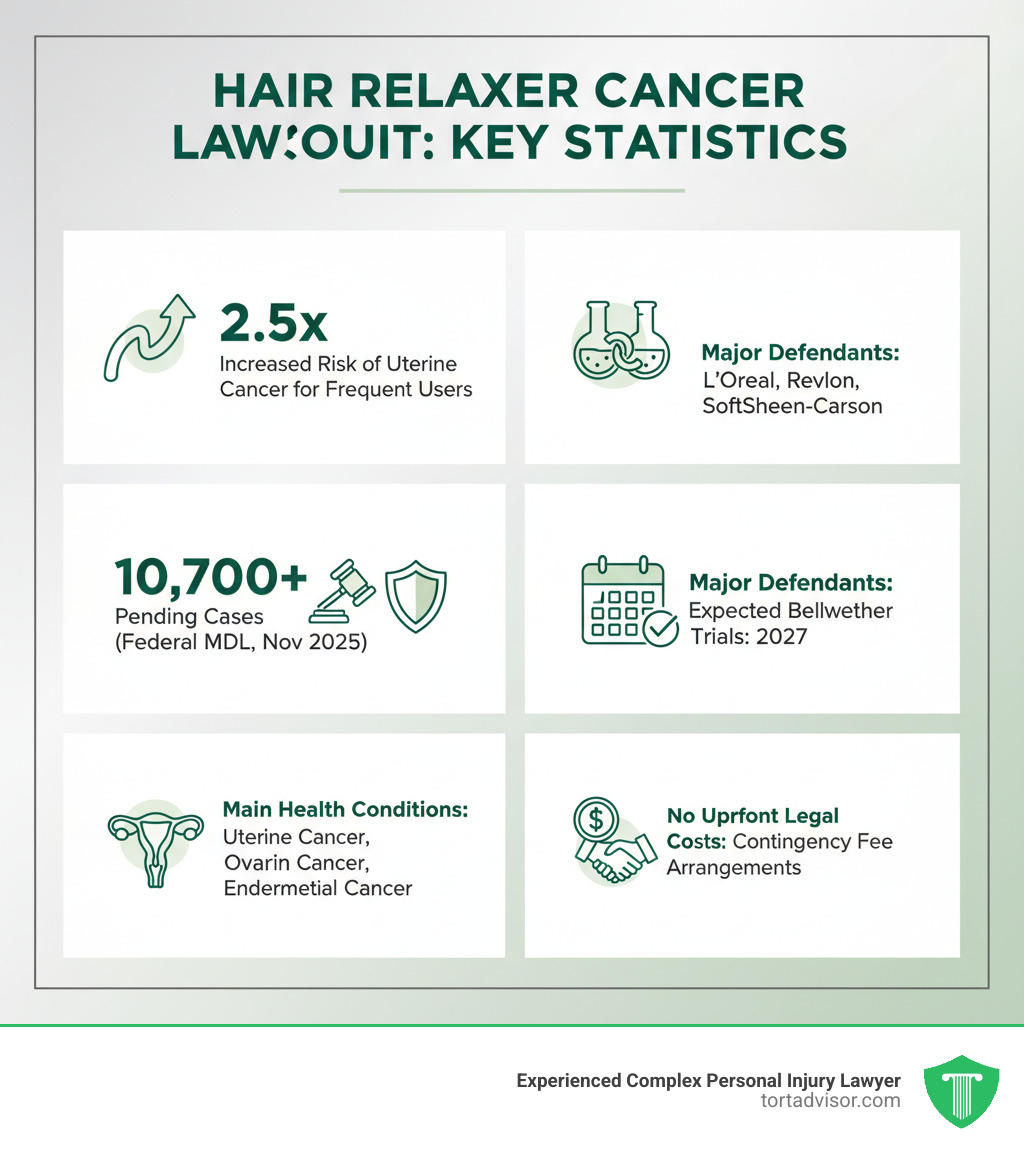
- Current Status: Over 10,500 cases are consolidated in a federal MDL, with initial trials expected in 2027.
- No Upfront Costs: Attorneys work on contingency, meaning you only pay if you win.
- Time Limits: State statutes of limitations vary, so acting quickly is crucial.
For decades, millions of women—predominantly Black women—used products like Dark & Lovely, Just for Me, and ORS Olive Oil, which were marketed as safe. However, recent scientific studies reveal these products contain endocrine-disrupting chemicals (EDCs) that significantly increase the risk of life-threatening cancers.
Research from the 2022 NIH Sister Study shows that women who used hair relaxers at least four times a year are about 2.5 times more likely to develop uterine cancer. These EDCs, including phthalates and formaldehyde-releasing agents, can be absorbed through the scalp, interfere with hormones, and fuel the growth of hormone-sensitive cancers.
As of November 2025, over 10,700 lawsuits have been filed against major manufacturers like L’Oréal, Revlon, and SoftSheen-Carson. The lawsuits allege these companies knew the risks but marketed dangerous products without warnings, often using discriminatory practices targeting Black women and girls.
Navigating the legal process while dealing with a cancer diagnosis is overwhelming. This guide provides the information you need about your legal options, case strength, and potential compensation for medical bills, lost wages, and suffering. We have researched court documents, scientific studies, and legal developments to help you understand your rights and take the next step toward justice.
Introduction to the Hair Relaxer Controversy
What Are Chemical Hair Relaxers?
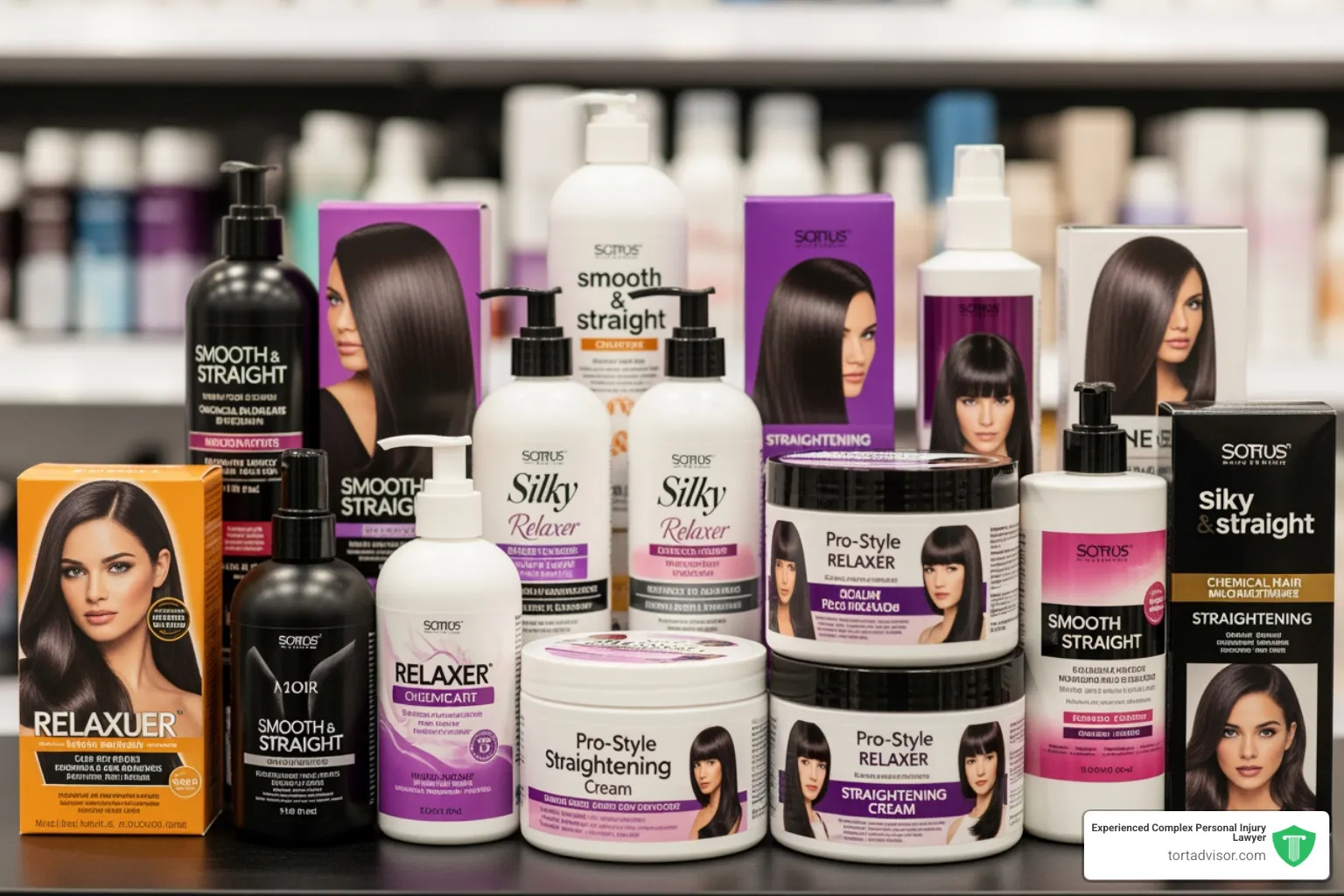
Chemical hair relaxers are cosmetic products that use strong chemicals to permanently straighten curly or coily hair by breaking down its protein structure. For decades, they have been a staple in the beauty routines of millions, particularly within the Black community.
Available as lye-based and “no-lye” formulas for home or salon use, these products were often marketed as safe. However, even “no-lye” options contain potent chemicals that can cause scalp burns, increasing the absorption of harmful substances into the body.
The Growing Health Crisis
Once a routine beauty treatment, hair relaxers are now at the center of a major health crisis. Scientific studies have linked their frequent use to a higher risk of serious health conditions, including uterine and ovarian cancer.
In response, thousands of women nationwide have filed lawsuits against manufacturers. These lawsuits allege that companies knew their products contained dangerous chemicals but failed to warn consumers, prioritizing profits over public health. The crisis has also prompted the U.S. Food and Drug Administration (FDA) to propose a ban on formaldehyde and related chemicals in hair-straightening products, highlighting the severity of the issue.
The Scientific Evidence Linking Hair Relaxers to Cancer
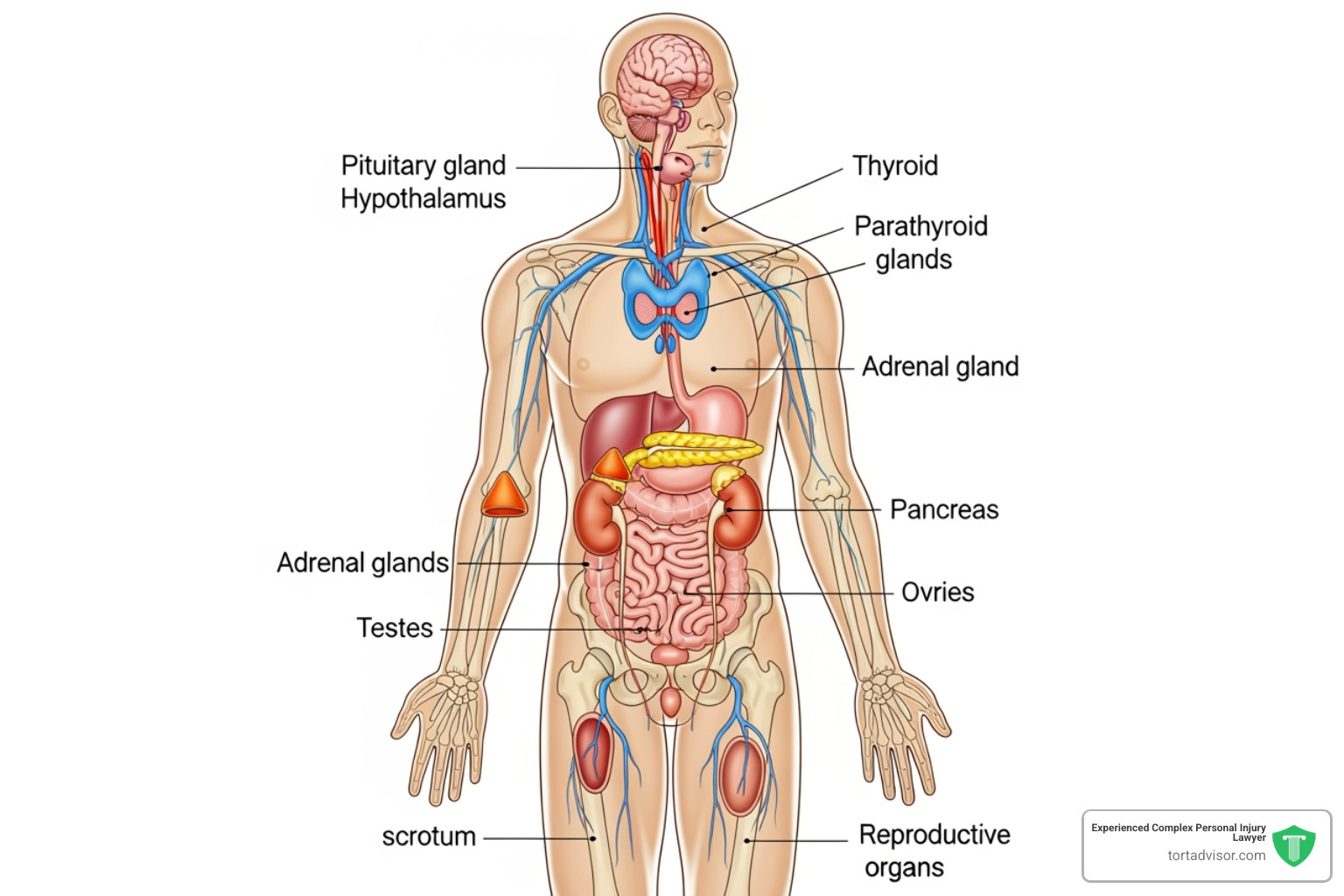
The link between chemical hair relaxers and cancer is supported by significant scientific research. The primary concern involves endocrine-disrupting chemicals (EDCs), which interfere with the body’s hormone system. When absorbed through the scalp—often via burns and lesions caused by the products themselves—these chemicals can mimic or block hormones like estrogen. This disruption can fuel the growth of hormone-sensitive cancers like those of the uterus and ovaries.
The National Institutes of Health (NIH) has confirmed these risks, with its research forming a cornerstone of the ongoing litigation: Hair straightening chemicals associated with higher uterine cancer risk | National Institutes of Health (NIH).
Key Studies and Findings
The most compelling evidence comes from the NIH-funded Sister Study, which followed over 50,000 women for more than a decade. Key findings include:
- A 2022 analysis revealed that women who used hair straighteners at least four times a year were more than twice as likely to develop uterine cancer compared to non-users. This represents a 150% increase in risk.
- A 2021 analysis from the same study found that frequent users faced an approximately 50% higher risk of developing ovarian cancer. The most frequent users were more than twice as likely to be diagnosed.
This large-scale, long-term research provides a strong scientific foundation for the thousands of legal claims being filed. You can read more about the ovarian cancer link here: Use of hair products in relation to ovarian cancer risk.
Health Conditions Named in Lawsuits
Lawsuits cite several devastating health conditions linked to hair relaxer use, including:
- Uterine Cancer (including endometrial cancer)
- Ovarian Cancer
- Uterine Fibroids (especially cases severe enough to require a hysterectomy)
- Endometriosis
- Early Menopause
These conditions often require extensive medical treatment, including surgery, chemotherapy, and radiation, and can lead to loss of fertility, chronic pain, and significant financial and emotional distress.
Dangerous Chemicals in Hair Straighteners
Hair relaxers often contain a cocktail of toxic chemicals. When manufacturers include such substances without warning consumers, their products may be considered legally defective. Key chemicals of concern include:
- Phthalates: Endocrine disruptors like Di-2-ethylhexyl phthalate (DEHP) are linked to cancer and reproductive harm.
- Formaldehyde: A known human carcinogen. Many products use chemicals that release formaldehyde when heated.
- Parabens: Preservatives that can mimic estrogen in the body, potentially fueling hormone-sensitive cancers.
- Cyclosiloxanes: Silicon-based compounds identified as potential endocrine disruptors.
The prolonged contact with the scalp during the relaxing process, especially on irritated skin, maximizes the absorption of these dangerous chemicals. Learn more about how this can make a product legally defective: More info about what makes a product defective.
Understanding the Hair Relaxer Cancer Lawsuit: Allegations and Defendants

The hair relaxer cancer lawsuit is built on several serious allegations of corporate negligence. The core legal claims include:
- Product Liability: Arguing the products were defectively designed with hazardous chemicals. You can learn more here: More info about what makes a product defective.
- Failure to Warn: Alleging companies knew about the cancer risks but failed to put adequate warnings on their packaging.
- Negligence: Claiming companies failed to conduct proper safety research and testing.
- Fraudulent Concealment: Arguing that manufacturers actively hid information about health risks from the public.
- Deceptive Marketing: Using terms like “natural” and “gentle” to create a false sense of security around products containing harsh chemicals.
Who is Being Sued?
The lawsuits target major multinational corporations that dominated the hair relaxer market. Key defendants include:
- L’Oréal USA, Inc. (including its subsidiary SoftSheen-Carson LLC)
- Revlon (whose bankruptcy has complicated but not halted claims)
- Strength of Nature Global, LLC
- Namaste Laboratories, LLC
- John Paul Mitchell Systems
- Wella Operations US LLC
Popular Products Named in Lawsuits
Many popular and widely trusted brands are named in the litigation. If you used any of the following products regularly, you may have a claim:
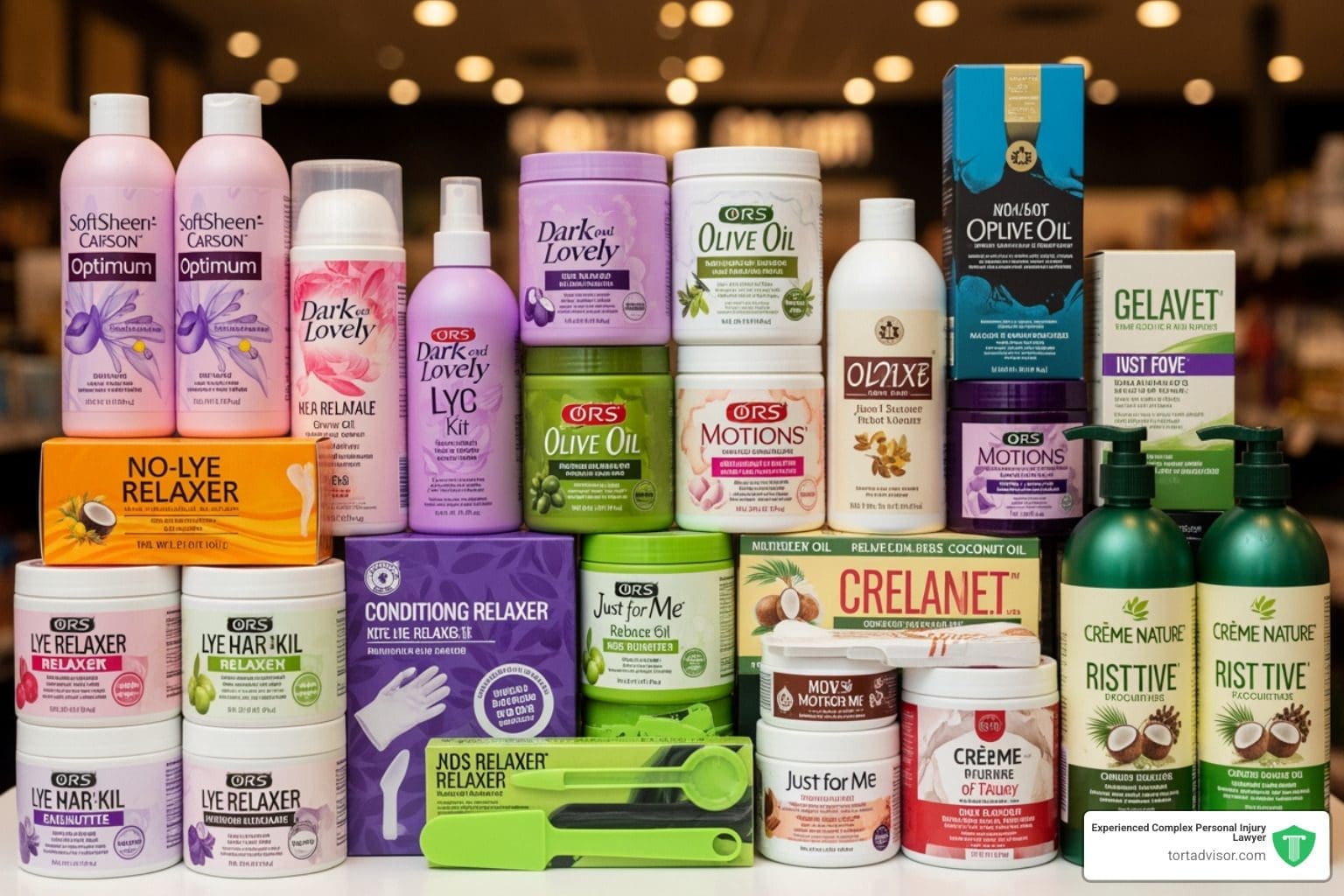
- Dark & Lovely
- Just for Me (marketed to children)
- Motions
- ORS Olive Oil
- Affirm
- Optimum
- Creme of Nature
The Role of Marketing and Racial Discrimination
This lawsuit is also a civil rights issue. For decades, the marketing of hair relaxers has been linked to racial discrimination and the pressure on Black women to conform to Eurocentric beauty standards. Society often deemed natural Black hair “unprofessional” or “unkempt,” and relaxers were sold as the solution.
Companies deliberately targeted Black women and girls, with products like Just for Me normalizing the use of harsh chemicals from a young age. Advertisements used misleading terms like “natural” and “botanical” to create a false sense of safety while downplaying the risks of the chemicals within.
As prominent attorney Ben Crump has stated, these cases are “essentially civil rights issues.” The lawsuits argue that companies exploited societal pressures and profited from products they knew were dangerous. This context of discrimination, recognized by laws like the CROWN Act, adds a powerful layer of injustice to the claims, making this litigation about more than just product safety—it’s about accountability for decades of targeted, harmful marketing.
Navigating the Legal Process: From Filing to Settlement

To handle the thousands of hair relaxer cancer lawsuits efficiently, the federal court system has consolidated them into a Multi-District Litigation (MDL). This MDL (No. 3060) is overseen by Judge Mary M. Rowland in the Northern District of Illinois. As of November 2025, over 10,700 cases are part of this process. An MDL allows each plaintiff to retain their individual case while streamlining pre-trial activities like evidence gathering, which saves time and resources.
Who is Eligible to File a Hair Relaxer Cancer Lawsuit?
While every case is unique, you may be eligible to file a lawsuit if you meet the following criteria:
- History of Use: You regularly used chemical hair relaxer products (e.g., four or more times per year) for several years.
- Specific Diagnosis: You were diagnosed with uterine cancer (including endometrial cancer), ovarian cancer, or developed uterine fibroids requiring a hysterectomy.
- Time of Diagnosis: Your diagnosis generally occurred after the year 2000.
- Statute of Limitations: You must file within your state’s legal deadline. This deadline often starts when you knew or should have known your cancer was linked to hair relaxers (for many, this was after the October 2022 NIH study). Acting quickly is essential.
Gathering medical records and product use history is crucial. For more information, see our guide on What evidence do I need to prove my case?.
What is the Average Payout for a Hair Relaxer Cancer Lawsuit?
Since no settlements or verdicts have been reached, there is no official average payout. However, compensation is sought for economic damages (medical bills, lost wages), non-economic damages (pain, suffering, loss of fertility), and potentially punitive damages to punish manufacturers for gross negligence.
Based on similar mass tort cases, legal experts have provided the following estimates for potential settlement values:
- Uterine/Ovarian Cancer: $250,000 – $1,000,000+
- Endometrial Cancer: $200,000 – $450,000
- Fibroids with Hysterectomy (under 40): $90,000 – $150,000
- Fibroids without Surgery: $10,000 – $75,000
These are only estimates. The actual amount depends on the specifics of your case. You can use our Hair Relaxer Cancer Settlement Calculator for a more personalized projection.
Litigation Timeline and Key Dates
Mass tort litigation follows a structured timeline. Here are the key stages for the hair relaxer MDL:
- Consolidation: Federal cases were consolidated into MDL No. 3060 in February 2023.
- Findy Phase: Currently, both sides are gathering evidence, with expert findy set to conclude in October 2026.
- “Science Day”: Scheduled for January 8, 2026, for both sides to present scientific evidence to the judge.
- Bellwether Trials: The first “test” trials are expected to begin in mid-2027. These trials are crucial for gauging jury reactions and often pave the way for settlement negotiations.
While the federal MDL proceeds, some state court cases may move faster. Settlement negotiations are anticipated to begin in late 2026, but no global settlement has been reached yet.
Frequently Asked Questions about Hair Relaxer Lawsuits
Considering a hair relaxer cancer lawsuit brings up many questions. Here are answers to some of the most common concerns.
Will I have to go to court to file a hair relaxer cancer lawsuit?
It is highly unlikely. The vast majority of mass tort cases (over 95%) are resolved through settlements before trial. The MDL process is designed to encourage these negotiations. Only a few “bellwether” or test cases will actually go before a jury. Your attorney will handle the legal proceedings, allowing you to focus on your health.
How much does it cost to hire a lawyer for my case?
There are no upfront costs. Attorneys handling these cases work on a contingency fee basis. This means you pay nothing out of pocket, and the lawyer only gets paid if they win your case by securing a settlement or verdict. Their fee is a percentage of the compensation recovered. If you don’t win, you owe nothing.
What if I used many different brands of hair relaxers over the years?
This is very common and does not disqualify you from filing a claim. Many women used a variety of brands over their lifetime. An experienced attorney will help you reconstruct your product usage history to identify all potentially responsible manufacturers. The key factor is your consistent exposure to the harmful chemicals found across most relaxer brands, not loyalty to a single product.
Taking the Next Step: How to Get Legal Help
Scientific evidence now strongly links chemical hair relaxers to uterine cancer, ovarian cancer, and other serious health conditions. For decades, manufacturers allegedly concealed these risks while targeting Black women and girls with deceptive marketing. The hair relaxer cancer lawsuit is a fight for accountability and justice for those who were harmed.
If you used hair relaxers and were diagnosed with a related cancer or required a hysterectomy for uterine fibroids, you may be entitled to significant compensation. However, taking legal action can feel overwhelming, and strict state deadlines (statutes of limitations) mean that waiting too long could prevent you from ever filing a claim.
At Tort Advisor, we connect people like you with a nationwide network of highly skilled attorneys specializing in the hair relaxer cancer lawsuit. We can find an expert for your case, whether you’re in Alabama, Illinois, California, or any other state. The consultation is free, and you pay no fees unless your attorney wins your case.
Don’t let time run out on your right to justice. Let us connect you with the legal support you need to hold these corporations accountable and secure the compensation you deserve.
Find an experienced attorney for your Hair Relaxer Lawsuit
Reach out today for a free, no-obligation case evaluation.
Related Posts

Tupelo hair relaxer cancer lawsuit victims: Get legal help to claim compensation for uterine/ovarian cancer linked to products. Act now!

Wildfire victim? Understand california wildfire lawsuits. Claim compensation, hold utilities accountable, and get justice.

Stay updated on Monsanto lawsuit news. Discover billions in verdicts, settlements, cancer links, and your legal options for claims.