Short answer: This article explains the key facts, eligibility issues, settlement factors, deadlines, and source-backed updates related to this legal topic. Results vary by case facts, evidence, jurisdiction, and representation.
Introduction
📋 Table of Contents
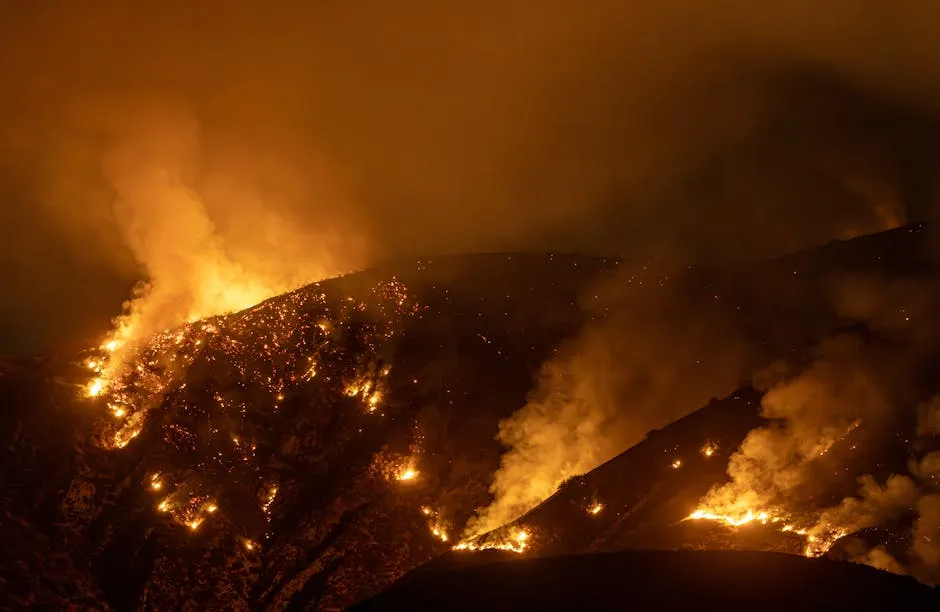
The devastation of a wildfire is rarely just an “act of God.” While climate change has certainly turned our forests into tinderboxes—doubling the number of acres burned annually since the 1980s—the spark is frequently human. Whether it is a utility company’s aging transformer or a hiker’s neglected campfire, the result is the same: lives upended, memories lost, and properties reduced to ash. The emotional toll is often as heavy as the financial one, leaving families in a state of shock as they try to navigate the complex path to recovery.
When the smoke clears, the immediate aftermath is a whirlwind of chaos. Victims are often left wondering how to rebuild when their insurance company offers a settlement that barely covers the foundation, let alone the roof. This is why understanding your rights and the role of a wildfire property damage attorney is the most critical step in your recovery journey.
Understanding Liability and Compensation in Wildfire Claims
In many major blazes, liability traces back to massive utility corporations. Aging infrastructure and a failure to clear vegetation around high-voltage lines are common culprits. When a company chooses profits over public safety, they can be held accountable through a wildfire lawsuit. In some jurisdictions, legal theories like inverse condemnation allow property owners to seek compensation if a utility’s public-use equipment caused the fire, regardless of whether the company was negligent. This is a powerful tool for victims seeking justice against entities with deep pockets.
Under the law, if a party has consciously disregarded the rights or safety of others, punitive damages may also be available. These are designed to punish the offender and prevent such negligence from happening again.
Identifying a Wildfire Property Damage Attorney for Negligence
Proving that a multi-billion dollar utility company was negligent requires more than just a hunch. It requires a wildfire property damage attorney who understands how to navigate corporate bureaucracy. We look for a “burden of proof” that involves analyzing maintenance records, internal safety memos, and burn pattern analysis. This process often uncovers a history of deferred maintenance or ignored warnings from field technicians, which can be pivotal in establishing liability.
By holding these entities to a standard of corporate accountability, we ensure that the “little guy” isn’t left footing the bill for a massive corporation’s oversight.
Recoverable Damages Beyond Structural Loss
Most people think of fire damage as just the house itself. However, a comprehensive claim covers much more. You may be entitled to compensation for your landscaping (which can cost tens of thousands to replace), wildfire smoke damage claims for interior contamination, and even business interruption if you work from home.
To get a rough idea of what your claim might be worth, many victims utilize a california wildfire settlement calculator to estimate both economic and non-economic losses.
Economic vs. Non-Economic Damages
| Damage Category | Examples | Proof Required |
|---|---|---|
| Economic | Rebuilding costs, lost wages, hotel bills, medical expenses | Receipts, invoices, tax returns, repair estimates |
| Non-Economic | Emotional distress, PTSD, loss of sentimental items, “annoyance and discomfort” | Personal journals, therapist notes, witness statements |
Why You Need a Wildfire Property Damage Attorney
Insurance companies are businesses, and their primary goal is to protect their bottom line. They often employ adjusters who are trained to manipulate claimants into accepting lowball offers. These adjusters may use “depreciation” to significantly lower the value of your belongings or claim that certain damages were pre-existing. When you hire a wildfire property damage attorney, you level the playing field.
An attorney provides the negotiation power necessary to push back against “take it or leave it” offers. Whether you are dealing with a local blaze or a massive regional disaster, having a professional who understands california wildfire legal claims ensures that no stone is left unturned. They can also help you navigate the complex “proof of loss” forms that insurance companies use to trap unwary policyholders, ensuring that every damaged item is accounted for at its true value.
Challenging Insurance Bad Faith and Undervaluation
“Bad faith” occurs when an insurance company fails to uphold its legal obligations to you. This might include “policy twisting” (misrepresenting what your policy covers), unnecessary delays, or providing misleading reports to justify a denial. Specialized legal advocates focus on identifying these tactics. If your insurer is acting in bad faith, you may be entitled to damages above and beyond your original policy limits.
Maximizing Recovery Through Expert Inspections
A wildfire property damage attorney doesn’t work alone. We bring in a “dream team” of experts to value your loss accurately.
- Arborists: To value destroyed mature trees and scorched landscaping.
- Forensic Fire Investigators: To determine exactly how and where the fire started.
- Construction Specialists: To calculate the actual cost of rebuilding to modern codes.
- Erosion Experts: To assess the risk of mudslides following the loss of vegetation.
Whether you need a fire and smoke damage lawyer in Colorado or representation elsewhere, these experts are the backbone of a successful claim.
Navigating the Insurance Maze: Coverage and Exclusions
Understanding your policy is like learning a second language. Most standard homeowners’ policies include dwelling coverage and personal property protection. However, the fine print is where things get tricky.
Our wildfire property damage claim complete guide explains that while “Additional Living Expenses” (ALE) should cover your hotel and food while displaced, insurers often put a strict clock on these benefits. A qualified legal representative can help extend these benefits if rebuilding is delayed by factors outside your control, such as labor shortages or permit backlogs.
Common Exclusions in Wildfire Policies
One of the most heartbreaking realizations for victims is finding out what isn’t covered. Standard policies often exclude:
- Code Upgrades: If local laws have changed since your home was built, your insurance might only pay to build it the “old way,” leaving you to pay the difference for modern safety codes. This is particularly common with new fire-resistant roofing requirements or updated electrical standards.
- Zoning Changes: If your land is no longer buildable due to new environmental risks or landslide hazards created by the fire.
- Uninsurable Mementos: Insurance treats a 50-year-old family photo album as “paper,” not a priceless heirloom.
Attorneys work to recover these “uncovered” losses by suing the negligent third party who caused the fire in the first place. By pursuing a separate legal action against the responsible entity, you can seek compensation for the full replacement cost of your home, even if it exceeds your insurance policy’s limits.
The Legal Process: From Documentation to Settlement
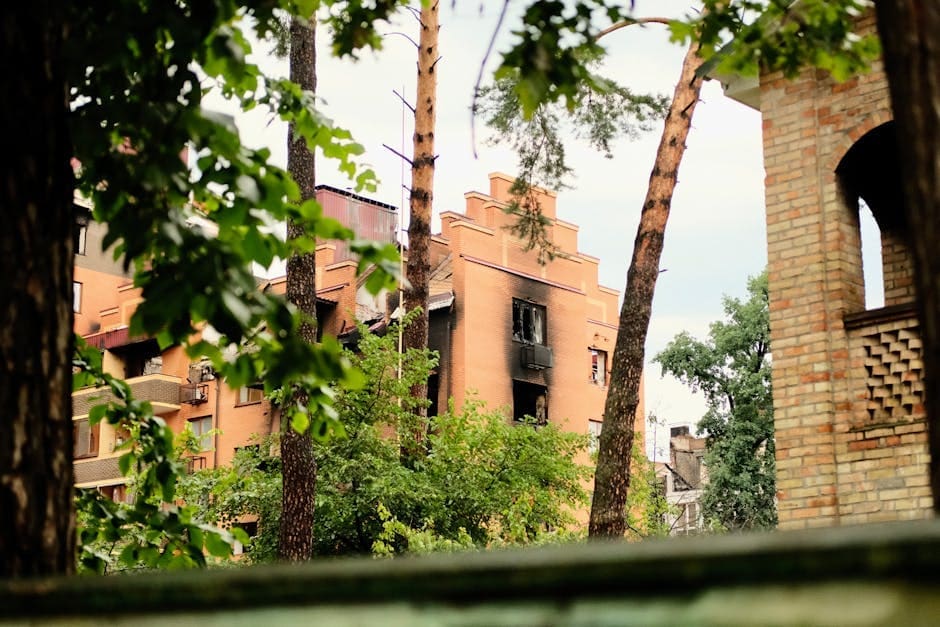
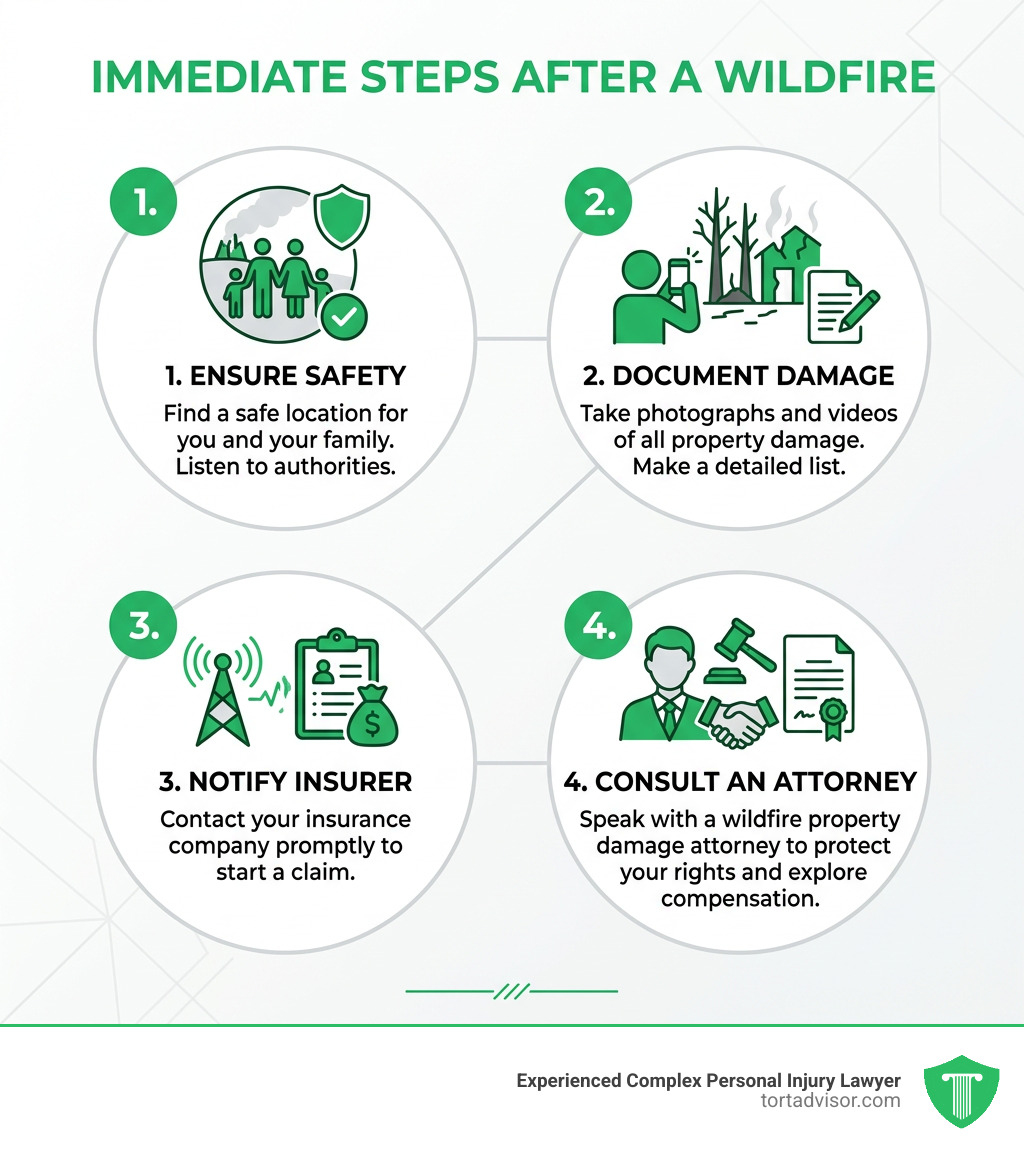
The moment it is safe to return to your property, your job is to become a historian. Every charred beam and soot-stained curtain needs to be documented. This evidence preservation is the foundation of your california wildfire lawsuit guide. You should take high-resolution photos from every angle and keep a detailed log of every interaction with your insurance company, including the names of adjusters and the dates of phone calls.
Whether you are working with a specialized legal team, the process generally follows a specific path:
- Documentation: Photos, videos, and inventory lists.
- Claim Filing: Notifying the insurer and third parties.
- Investigation: Experts visit the site to assess structural integrity and origin.
- Negotiation: The “back and forth” over the settlement amount.
- Litigation: If a fair agreement isn’t reached, filing a lawsuit.
The category wildfires encompasses various legal timelines. Missing a deadline can end your case before it begins.
Filing a Lawsuit When Insurance is Insufficient
If your home cost $500,000 to build but your policy maxes out at $350,000, you have a $150,000 “insurance gap.” This is common in many states, where legal experts often pursue third-party liability to fill that gap. This might involve suing the utility company responsible for the spark or a contractor whose negligence allowed the fire to spread.
According to the california wildfire 2025 update, the discovery phase of a lawsuit—where we demand internal documents from utility companies—is often where the strongest evidence of negligence is found. This phase can take months, but it is essential for uncovering the truth behind the fire’s origin.
Frequently Asked Questions about Wildfire Property Damage
What is the statute of limitations for a wildfire property damage attorney to file a claim in California?
In California, you generally have three years from the date of the fire to file a lawsuit for property damage. However, for california wildfire legal claims involving personal injury or wrongful death, the limit is typically only two years.
Can I recover compensation for smoke and ash damage if my home didn’t burn?
Absolutely. Smoke, ash, and soot can permeate insulation, HVAC systems, and soft surfaces like couches and carpets. This often requires professional deep cleaning or full replacement to ensure air quality is safe. We frequently handle wildfire smoke damage claims for properties miles away from the actual flames.
What government assistance is available beyond insurance?
Beyond private lawsuits, victims can look into:
- FEMA Grants: For immediate housing and basic needs.
- SBA Loans: Low-interest disaster loans for homeowners and businesses to repair or replace real estate and personal property.
- State Relief Funds: Specific programs often triggered by a Governor’s emergency declaration, which may provide additional grants for debris removal or soil stabilization.
For more information on these programs, see our tort-category wildfire-lawsuits resources. It is also worth noting that government assistance is often a loan, not a grant, meaning it may need to be repaid, whereas a legal settlement is yours to keep for rebuilding.
Conclusion
At Tort Advisor, we believe that no one should have to fight a multi-billion dollar insurance or utility company alone. Our mission is to connect you with a wildfire property damage attorney who has a proven track record of securing maximum settlements.
We work on a contingency fee basis, meaning we don’t get paid unless you do. Rebuilding your life is hard enough; let us handle the legal heat. For a deeper dive into your rights, check out our wildfire property damage claim complete guide.
Related Posts

Tupelo hair relaxer cancer lawsuit victims: Get legal help to claim compensation for uterine/ovarian cancer linked to products. Act now!

Wildfire victim? Understand california wildfire lawsuits. Claim compensation, hold utilities accountable, and get justice.

Stay updated on Monsanto lawsuit news. Discover billions in verdicts, settlements, cancer links, and your legal options for claims.