
Lane Splitting Motorcycle Accident: Who Is at Fault?
In California, fault in a lane splitting motorcycle accident depends on whether the driver, rider, or both acted negligently and helped cause the crash. Yes, legality matters, but a violation alone does not settle fault: California’s civil jury instructions require more than proof of a violation and allow compensation to be reduced when the injured person shares fault.
The first step is identifying the maneuver and the state’s rules. For example, California’s definition covers riding between stopped or moving rows of vehicles, while Arizona permits a limited exception for passing stopped vehicles under specified conditions. This article explains selected state rules, how the rider’s and driver’s actions affect the fault analysis, what evidence to organize, and how to discuss compensation without guessing a settlement amount.
Who is at fault after a lane splitting motorcycle accident?
What maneuver did the rider make? What actions caused the collision? Those are separate questions: whether traffic rules permitted the maneuver does not, by itself, determine who is responsible for an injury. In California, a negligence claim turns on whether someone failed to use reasonable care and whether that failure was a substantial factor in causing harm. A permitted maneuver can still be performed negligently. Likewise, assigning a rider a share of fault requires more than pointing out that the motorcycle was between vehicles: the rider’s negligent conduct must have substantially contributed to the harm. The California civil jury instructions on negligence and comparative fault explain the distinction.
To sort out what happened, describe the movements rather than relying only on the label “lane splitting.” Was traffic stopped or moving? Was the motorcycle passing between rows of vehicles? Did a driver change lanes as the rider approached? Note what each person did, when they did it, and what evidence supports that account. This keeps the focus on the disputed actions rather than an assumption about either motorcyclists or drivers.
For broader claim-process questions, TortAdvisor’s guide to motorcycle accident injury claims and case review is a helpful next step. This article focuses specifically on passing between vehicles and how to evaluate the resulting fault dispute.
Find out if you may have a claim
Answer a few questions and a trained case advisor will review your situation — most people finish in about a minute.
- Free — no cost, no obligation
- About a minute to complete
- Reviewed by a trained case advisor
- Nothing you submit is published
Your details are sent over a secure connection and reviewed confidentially.
Lane splitting and lane filtering: identify the actual maneuver
Start by describing the motorcycle’s path and the surrounding traffic—not just calling the crash a “lane-splitting accident.” The same label may not describe the same legally permitted maneuver in every state.
In California, lane splitting means riding a motorcycle with two wheels touching the ground between rows of stopped or moving vehicles in the same lane, including on divided and undivided streets, roads and highways. California’s enacted Vehicle Code section 21658.1 supplies that definition.
A filtering exception can be narrower. Arizona permits a two-wheeled motorcycle to overtake and pass a stopped vehicle traveling in the same direction only under specified conditions: the street must have at least two adjacent lanes traveling in the same direction and a speed limit of 45 mph or less; the motorcycle must travel no faster than 15 mph; and the movement must be safe. That is not unrestricted permission to travel between moving rows. Arizona Revised Statutes section 28-903 sets out the exception.
When explaining what happened, separate these details:
- Traffic movement: Were the nearby cars stopped, moving or beginning to move?
- The motorcycle’s path: Was it between rows of vehicles, beside a car within one lane or changing lanes?
- The passing movement: Which vehicle was being passed, and on which side?
- The point of contact: Where were the motorcycle and car when they collided?
These concrete details give you a clearer account to discuss with an attorney than a label alone.
Where is lane splitting or filtering legal? Selected statutory examples
The answer depends on the state and the exact maneuver. These are selected statutory examples, not an exhaustive state list. An omitted state is not classified here as permitting or prohibiting lane splitting or filtering.
- Arizona: The exception covers a two-wheeled motorcycle safely passing a stopped vehicle. The roadway must have at least two adjacent lanes traveling in the same direction, the posted speed limit cannot exceed 45 mph, and the motorcycle cannot exceed 15 mph. See Arizona’s motorcycle passing exception for all conditions.
- Utah: Filtering requires stopped overtaken traffic, motorcycle speed no higher than 15 mph, safe movement and at least two adjacent same-direction lanes. The statute distinguishes qualifying roadways from off-ramps and excludes on-ramps. Utah Code section 41-6a-704(6) provides the roadway and ramp conditions; section 41-6a-704.1 separately prohibits lane splitting.
- Colorado: The exception requires a two-wheeled motorcycle, stopped overtaken traffic and stopped traffic in adjacent same-direction lanes, sufficient lane width, prudent operation and motorcycle speed no higher than 15 mph. Passing must stop when the overtaken vehicles move. The exception is scheduled for repeal on September 1, 2027. Colorado’s enacted amendment to section 42-4-1503 also specifies prohibited passing locations.
- Minnesota: The exception permits same-direction passing within the same traffic lane at no more than 25 mph and no more than 15 mph above relevant traffic speeds. Exclusions cover roundabouts, school zones, specified single-lane work zones and queued freeway or expressway on-ramps. See Minnesota Statutes section 169.974, subdivision 5 for the conditions.
Compare these limited exceptions with California’s definition covering stopped or moving rows of traffic, discussed above. These provisions do not describe an identical maneuver in every state.
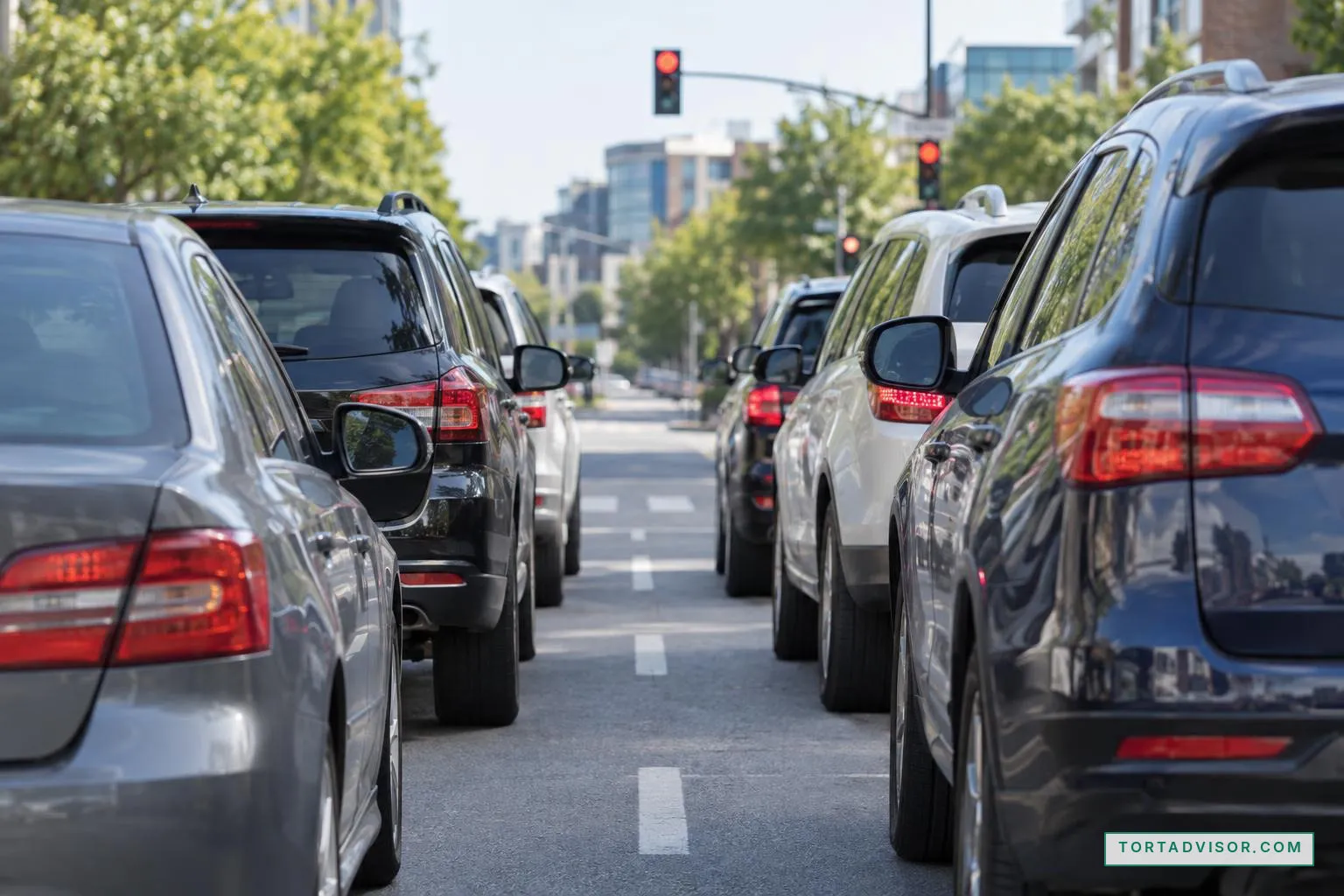
What did the rider and the driver each do?
Start with the sequence of movements, not just the description “lane-splitting crash.” Identify where each vehicle was, which vehicle changed position, and how their paths came together.
- For a California lane-change collision: When did the driver begin moving into the neighboring lane? Where was the motorcycle at that moment? Could the driver’s movement be made with reasonable safety? The legislative digest accompanying California’s lane-splitting statute describes the requirement to remain within a lane as nearly as practical and not move from it until the movement can be made with reasonable safety.
- For an Arizona filtering collision: Was the rider passing a stopped vehicle on a roadway with at least two adjacent lanes traveling in the same direction and a speed limit of 45 mph or less? Was the motorcycle traveling no faster than 15 mph, and could the maneuver be made safely? Also examine whether the driver crowded the motorcycle or otherwise deprived it of full lane use. Arizona’s motorcycle lane-use statute addresses both the stopped-vehicle passing exception and a motorcycle’s entitlement to full use of a lane.
Separate a same-direction sideswipe from a turn across the motorcycle’s path. Describe the vehicles’ directions and movements rather than treating the point of impact as the answer. If a driver turned across the rider’s route, the guide to fault when a driver turns left across a motorcycle’s path may be more relevant. For crossing traffic at a junction, see right of way and shared blame in intersection collisions.
Can a rider share fault or claim compensation after a violation?
Yes—in California, a rider can share responsibility and still recover compensation. If the driver proves that the rider was negligent and that the rider’s negligence was a substantial factor in causing the injury, damages are reduced by the rider’s assigned percentage of responsibility. California’s rules on shared fault and statutory violations are explained in CACI 405 and 418.
A statutory violation raises a separate question. Under California’s negligence-per-se framework, a violation can support a presumption of negligence when the doctrine’s requirements are met. The violation must have been a substantial factor in causing the harm; the injured person must belong to the group the law was designed to protect; and the injury must be the kind the law was designed to prevent. A legally recognized excuse may also apply. A violation alone does not resolve every question about fault or compensation.
For a lane-splitting collision, distinguish the alleged traffic violation from how that conduct contributed to the injury. These California instructions explain California claims only. The statutory examples above describe permitted or prohibited motorcycle maneuvers; they do not establish other states’ shared-fault rules.
Organize evidence around the disputed maneuver
Build a focused record of how the motorcycle and the other vehicle were moving before contact. Keep facts you can document separate from estimates and unanswered questions.
- Describe the roadway and movement. Note the road, direction of travel, lane count, posted speed limit and which lanes each vehicle occupied. Describe whether traffic was stopped, moving or starting to move, the motorcycle’s estimated speed, and where the vehicles first made contact. Label speed, distance and timing estimates clearly rather than presenting them as measured facts.
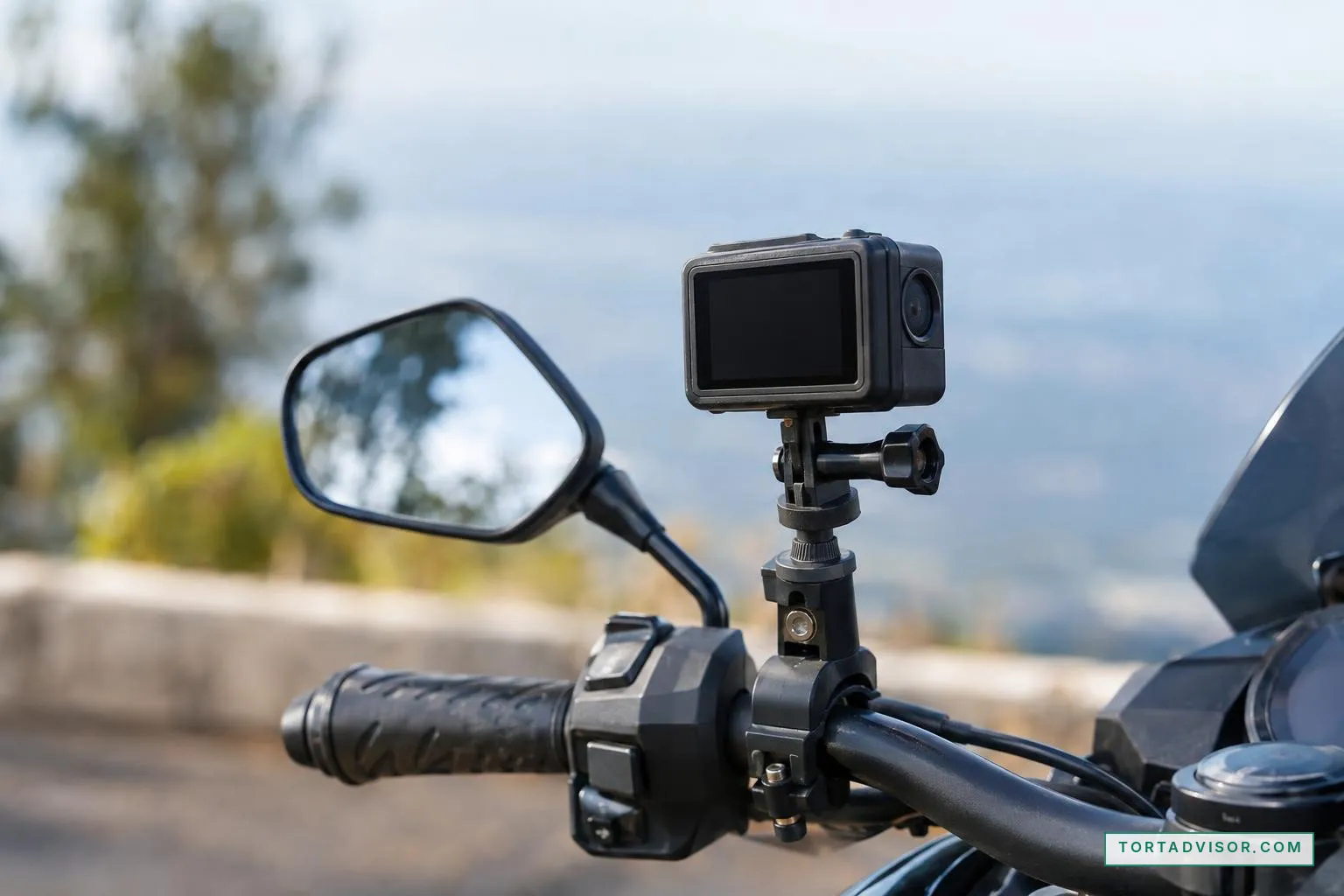
- Preserve the original material. Keep original video files, existing scene photographs, witness contact details and photographs of damage to both vehicles. In your notes, distinguish what you personally saw or heard from what a witness or another person reported.
- Turn statutory conditions into questions. Minnesota’s speed and location conditions illustrate details worth identifying: motorcycle speed, the speed difference between vehicles and the type of lane involved. Use those conditions to flag missing information—not to reconstruct the collision or assume Minnesota’s rules apply elsewhere.
- Keep injury and work records together. Gather medical records, bills and a dated account of missed shifts, reduced hours or other work interruptions for a claim review. The guide to common motor vehicle accident injuries can help explain terminology, but should not be used to diagnose an injury.
If you are preparing to file a motorcycle accident insurance claim, the step-by-step guide can help you organize the filing process alongside this maneuver-specific record.
Discuss compensation without guessing a settlement
A lane-splitting collision does not come with a standard settlement value. To make the compensation discussion useful, separate two questions: what losses can you document, and what evidence shows who caused the collision?
California’s civil damages instructions distinguish medical expenses, lost earnings, and noneconomic harm such as physical pain and mental suffering. Those categories provide a way to organize your questions—not a payout estimate or a rule for every state.
- Documented losses: Gather medical bills, treatment records, wage records, and notes about how your injuries affect daily life. Keep amounts already documented separate from questions about future needs.
- Disputed fault: Keep a separate list of evidence and unanswered questions about the rider’s maneuver, the driver’s movements, and the collision sequence. A list of expenses does not resolve those questions.
If you want help preparing for a discussion, TortAdvisor’s injury settlement calculators and its guide to understanding lawsuit settlements and compensation are optional starting points for organizing questions. They are not findings of fault, automatic valuations, or promises of payment.
If the other driver was uninsured or underinsured, the dedicated guide to claims involving an uninsured or underinsured driver addresses that separate coverage issue.
TortAdvisor provides independent research, not legal representation. A licensed attorney can evaluate your particular facts, the applicable jurisdiction, and the questions your records leave unanswered.
Frequently asked questions
Does legal lane splitting automatically mean the rider was not at fault in California?
No. Whether a maneuver qualifies as lane splitting is different from whether the rider caused a collision. California’s lane-splitting statute defines riding between rows of stopped or moving vehicles in the same lane, but it does not declare a rider fault-free after a crash. The definition alone does not resolve responsibility for your accident.
Can I filter between moving cars under Arizona’s motorcycle exception?
No. Arizona’s motorcycle-passing exception applies when the vehicle being overtaken is stopped. The roadway must have at least two adjacent lanes traveling in the same direction and a speed limit of 45 mph or less. The motorcycle must travel no faster than 15 mph, and the movement must be safe. The exception does not authorize filtering between moving cars.
What speed limits apply to motorcycle passing between vehicles in Minnesota?
Under Minnesota’s motorcycle-passing exception, the motorcycle may travel no faster than 25 mph and no more than 15 mph faster than traffic in the relevant lanes. Both limits apply at the same time: when traffic is stopped, for example, the speed-difference limit allows no more than 15 mph. Meeting these speed limits alone does not satisfy the statute’s separate location restrictions.
Does a traffic-law violation automatically defeat a California motorcycle injury claim?
No. Under California’s civil jury instructions on comparative fault and statutory violations, a rider’s own negligence can reduce damages according to their share of responsibility rather than automatically bar recovery. A statutory violation also has specific requirements before it establishes presumed negligence, including causation and whether the law protected against the kind of harm involved. A citation alone does not answer every liability question.
Sources
- California AB 51, Chapter 141: Vehicle Code Section 21658.1 · California Legislative Information · 2016-08-19
- Arizona Revised Statutes Section 28-903: Operation of Motorcycle on Laned Roadway; Exceptions · Arizona State Legislature
- Utah Code, Title 41, Chapter 6a: Traffic Code · Utah State Legislature
- Colorado SB 24-079: Signed Motorcycle Lane Filtering and Passing Act · Colorado General Assembly · 2024-04-04
- Minnesota Statutes Section 169.974: Operation of Motorcycle; Motor Scooter; Motor Bike · Minnesota Office of the Revisor of Statutes
- Judicial Council of California Civil Jury Instructions, 2026 Edition · Judicial Council of California
This article is general information, not legal advice. Laws and deadlines vary by state and change over time; check the linked sources or speak with a licensed attorney about your situation.
Federal crash data shows a car turning left across a rider's path is one of the most common deadly motorcycle crash patterns. Here is how fault is usually sorted out, which evidence matters, and how shared-fault rules can change a claim.