
Don’t Let Pfizer Call the Shots and Hire a Depo-Provera Attorney

Why Hiring a Depo-Provera Attorney Could Change Everything
A Depo-Provera attorney can help you pursue compensation from Pfizer if you used Depo-Provera and were later diagnosed with a meningioma brain tumor.
Table of Contents
- Why Hiring a Depo-Provera Attorney Could Change Everything
- Understanding the Link Between Depo-Provera and Meningioma Brain Tumors
- Why You Need a Depo-Provera Lawsuit Attorney for Your Claim
- Eligibility and Evidence: Do You Have a Case Against Pfizer?
- Current Status of the Depo-Provera MDL and the 2026 Settlement
- Frequently Asked Questions about Depo-Provera Brain Tumor Claims
- Conclusion
Depo-Provera Lawsuit Financial Resources
Depo-Provera Settlement Calculator — Estimate your potential compensation based on your injuries and meningioma diagnosis.
Depo-Provera Settlement Amounts — What is public about the 2026 global settlement, and why individual payout amounts remain confidential.
Here’s what you need to know right now:
Find out if you may have a claim
Answer a few questions and a trained case advisor will review your situation — most people finish in about a minute.
- Free — no cost, no obligation
- About a minute to complete
- Reviewed by a trained case advisor
- Nothing you submit is published
Your details are sent over a secure connection and reviewed confidentially.
- Who qualifies: Women diagnosed with a meningioma after Depo-Provera or authorized generic injections; the settlement’s full eligibility criteria are private
- Who to sue: Pfizer Inc. and related manufacturers for failure to warn about brain tumor risks
- Where cases are filed: MDL No. 3140, Northern District of Florida
- Settlement status: Global agreement reached June 15, 2026; Master Settlement Agreement signed July 21, 2026
- How much cases are worth: Individual payout amounts under the Master Settlement Agreement are confidential and have not been made public
- What it costs you upfront: Nothing — attorneys work on contingency (no win, no fee)
- How to start: Contact a Depo-Provera lawsuit attorney for a free case evaluation
As of October 1, 2026, 6,412 cases were pending in the federal MDL, and Pfizer reached a global settlement agreement with plaintiffs’ lead counsel in June 2026. A landmark 2024 study published in The BMJ found that women who used Depo-Provera for more than one year face a 5.6-fold increased risk of developing a meningioma. Yet for years, Pfizer’s U.S. label said nothing about this risk — even as warnings appeared in Europe and Ireland. If you used Depo-Provera and received a meningioma diagnosis, you are not alone. And you may have a strong legal claim. I’m Mason Arnao, and while my background is in data systems and internet marketing, I’ve spent years helping connect people with the right legal resources — including researching emerging mass tort litigation like Depo-Provera lawsuit attorney cases. This guide will walk you through everything you need to make an informed decision, quickly and clearly. Related Depo-Provera guides:
- Depo-Provera settlement calculator
- Depo-Provera lawsuit settlements
- Depo-Provera severe side effects
Understanding the Link Between Depo-Provera and Meningioma Brain Tumors
To understand why so many women are seeking a Depo-Provera lawsuit attorney, we have to look at the science. Depo-Provera is an injectable contraceptive that uses a synthetic hormone called medroxyprogesterone acetate (MPA). It’s incredibly popular; statistics show that nearly 24.5% of sexually experienced U.S. women used this “birth control shot” at some point between 2015 and 2019. However, recent studies have sounded a major alarm. A March 2024 report in the British Medical Journal (BMJ) revealed that long-term use of Depo-Provera (defined as more than one year) increases the risk of developing an intracranial meningioma by 5.6 times.
What Exactly is a Meningioma?
A meningioma is a tumor that forms in the protective membranes (meninges) that cover the brain and spinal cord. While they are often non-cancerous (benign), they are far from harmless. Because they grow inside the skull, they can press against brain tissue, nerves, and vessels, causing life-altering disabilities. The connection isn’t actually “new” to the scientific community. As far back as 1983, a study published in the European Journal of Cancer & Clinical Oncology identified a high concentration of progesterone receptors in human meningioma cells. Since Depo-Provera is a progestogen, it essentially “feeds” these hormone-sensitive cells, potentially triggering tumor growth. 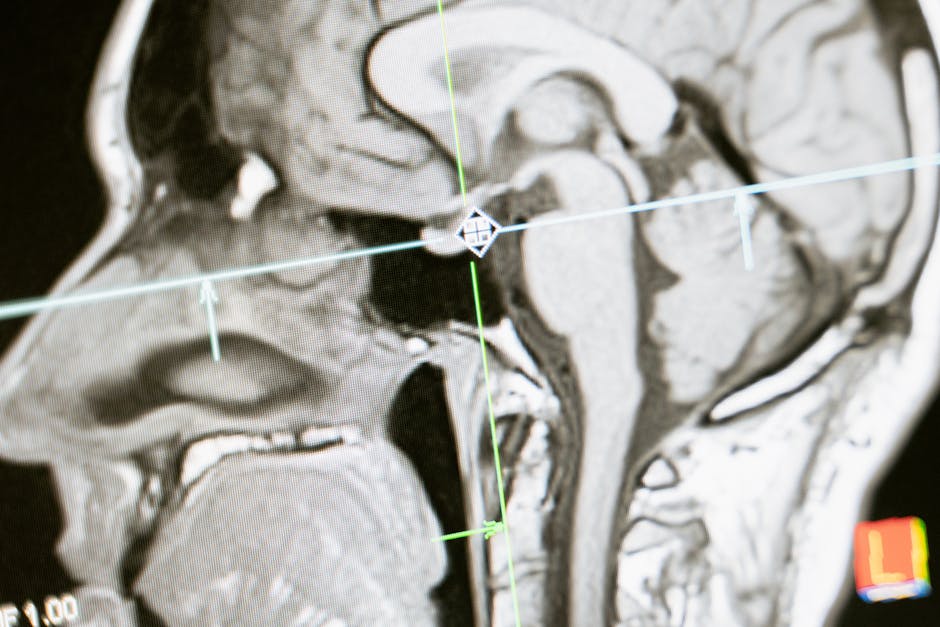 If you have used the shot, it is vital to stay vigilant. You can find more info about Depo-Provera brain tumor symptoms here, but common signs include persistent headaches, vision changes, and seizures.
Why You Need a Depo-Provera Lawsuit Attorney for Your Claim
Filing a claim against a pharmaceutical giant like Pfizer isn’t like filing a standard insurance claim. It is a complex battle of “failure to warn.” Plaintiffs allege that Pfizer knew—or should have known—about the brain tumor risks for decades but chose to keep the U.S. label clean of any warnings to protect their profits. A specialized Depo-Provera lawsuit attorney provides the “firepower” needed for these cases. You can find more info about the Depo-Provera injury claim process to see how these steps work, but generally, an attorney handles the heavy lifting:
- Proving Causation: Linking your specific tumor to your specific history of Depo-Provera use.
- Expert Testimony: Hiring neurologists and oncologists to explain the science to a jury.
- Discovery: Forcing Pfizer to hand over internal documents and emails regarding what they knew about meningioma risks.
The legal landscape changed even more with a new Cleveland Clinic study in JAMA Neurology, which looked at over 10 million women and confirmed that long-term users—especially those starting after age 31—face a significantly higher risk.
How a Depo-Provera Lawsuit Attorney Navigates the MDL
You might hear the term “class action,” but the Depo-Provera litigation is actually a Multidistrict Litigation (MDL). In February 2025, the Judicial Panel on Multidistrict Litigation ordered the consolidation of federal lawsuits into MDL No. 3140. This MDL is based in the Northern District of Florida under Judge M. Casey Rodgers. An MDL is beneficial because it streamlines the “discovery” phase (gathering evidence) so it doesn’t have to be repeated in thousands of separate cases. However, your case remains individual, meaning your settlement is based on your specific injuries. For the latest on where things stand, check more info about the legal status of Depo-Provera lawsuits.
The Advantage of Hiring a Depo-Provera Lawsuit Attorney for Evidence Gathering
One of the biggest hurdles for women who used the shot years ago is finding proof. Maybe your old clinic closed, or your pharmacy changed systems. A Depo-Provera lawsuit attorney has investigators who specialize in tracking down:
- Pharmacy Records: Proving you received medroxyprogesterone acetate.
- Medical History: Documenting the date of your meningioma diagnosis.
- Insurance Records: Showing billing for the injections.
Most firms use a system called BrownGreer MDL Centrality to manage these documents securely. To see if your history fits the current legal criteria, you can find more info about lawsuit qualifications on our site.
Eligibility and Evidence: Do You Have a Case Against Pfizer?
To qualify for a Depo-Provera brain tumor claim, attorneys generally look for a few “minimum” criteria. While every case is unique, the current standard for a strong claim includes:
- Proof of Use: Pharmacy, medical or insurance records showing you received Depo-Provera (or its authorized generic) injections.
- Diagnosis: A confirmed diagnosis of an intracranial meningioma (or other brain tumor).
- Timing: The tumor must have been diagnosed after you started using the shot.
| Meningioma Grade | Severity | Common Impact |
|---|---|---|
| Grade I (Benign) | Slow-growing | May require surgery if pressing on vital areas; lifelong monitoring. |
| Grade II (Atypical) | Faster-growing | Higher risk of coming back after surgery; often requires radiation. |
| Grade III (Malignant) | Aggressive | Cancerous; requires intensive surgery and chemotherapy/radiation. |
It is important to act quickly. Every state has a “statute of limitations”—a deadline to file. However, because the link between the shot and brain tumors was only recently made public (March 2024), the “discovery rule” may extend your deadline. This rule essentially says the clock doesn’t start until you could have known the drug caused your injury. Check more info about Depo-Provera lawsuit eligibility for state-specific details.
Current Status of the Depo-Provera MDL and the 2026 Settlement
The Depo-Provera litigation changed in June 2026. On June 15, 2026, Judge M. Casey Rodgers entered Pretrial Order No. 30A after Plaintiffs’ Lead Counsel and Pfizer Inc., Pharmacia LLC and Pharmacia & Upjohn Co. LLC reached a global agreement under which MDL plaintiffs who meet the agreed eligibility criteria will have an opportunity to resolve their claims. The same order postponed a ruling on Pfizer’s motion for summary judgment based on federal preemption.
The parties signed a Master Settlement Agreement on July 21, 2026. According to Case Management Order No. 12 (July 27, 2026), it is a private agreement governed by a confidentiality agreement, so the settlement amounts and payment tiers have not been made public. Any website quoting Depo-Provera payout tiers is estimating, not reporting. The same order says settlement registration should be completed in November 2026, with payments beginning to roll out by the first quarter of 2027.
As of October 1, 2026, 6,412 actions were pending in MDL No. 3140, according to the Judicial Panel on Multidistrict Litigation. Because this MDL is not a class action, the court does not hold a fairness hearing on the settlement, and its eligibility criteria and payment terms remain private. For the full timeline and court orders, see our Depo-Provera settlement 2026 update.
Frequently Asked Questions about Depo-Provera Brain Tumor Claims
Has Depo-Provera been recalled by the FDA?
No, Depo-Provera has not been recalled. It remains on the market as an FDA-approved contraceptive. However, its history is full of warnings. In 2004, the FDA issued a “Black Box Warning” regarding bone mineral density loss, advising that the shot should not be used for more than two years. It wasn’t until December 2025 that the FDA finally approved a label update to include the risk of brain tumors. You can read more info about severe side effects here.
What are the primary symptoms of a Depo-Provera-linked meningioma?
Many meningiomas grow slowly, but as they increase in size, they can cause:
- Blurred or double vision
- New or worsening seizures
- Persistent, severe headaches
- Memory loss or confusion
- Loss of hearing or smell
- Weakness in the arms or legs
If you experience these, see a doctor immediately. For a full list, see more info about brain tumor symptoms.
Who are the main defendants in these lawsuits?
The primary defendant is Pfizer Inc., as they are the main manufacturer. Other defendants include Pharmacia & Upjohn Company (a Pfizer subsidiary), Viatris (which handles some older Pfizer products), and various generic manufacturers of medroxyprogesterone acetate.
Conclusion
We believe that no woman should have to choose between effective birth control and her long-term neurological health. Plaintiffs allege that Pfizer had the data and updated its labels in Europe while American women were left without a warning for years; the FDA approved a meningioma warning for the U.S. label in December 2025. At Tort Advisor, we connect you with a Depo-Provera attorney who has the experience and resources to take on big pharma. If you or a loved one were diagnosed with a meningioma after using the Depo shot, don’t wait. Consultations are 100% free, and attorneys work on contingency, so there are no fees unless the claim recovers. You can find more info about filing a Depo-Provera lawsuit and start your journey toward justice today.
Related Posts

How VCF registration works: who should register, the two-year deadline and when it starts, how to register online or by phone, and how it fits with the WTC Health Program.
Paraquat exposure explained from EPA, CDC and court records: how it happens, who is most at risk, drift and vapor, the safety rules since 2016, Parkinson’s research, and the records that help show exposure.

The Supreme Court's June 25, 2026 ruling in Monsanto v. Durnell held that FIFRA can preempt state failure-to-warn claims, unsettling a central theory in paraquat cases. With 6,602 actions pending in MDL 3004 as of 1 October 2026 and a global settlement agreed in principle but no terms disclosed, here is what is verified and what is not.