
What You Need to Know About the Gummy Bear Implant Recall
The gummy bear implant recall is one of the most significant medical device safety actions in recent history — and if you have breast implants, you need to know whether yours are affected.
Quick Answer:
| Question | Answer |
|---|---|
| Are all gummy bear implants recalled? | No — only Allergan’s BIOCELL textured models |
| Which brand was recalled? | Allergan (Natrelle 410, Natrelle Saline, Silicone, Inspira, and tissue expanders) |
| Why were they recalled? | Linked to BIA-ALCL, a rare but serious lymphoma |
| How much higher is the risk? | ~6x higher than other textured implants |
| Should I remove my implants now? | Not if you have no symptoms — consult your doctor |
| What symptoms should I watch for? | Sudden swelling, breast pain, lumps, or asymmetry |
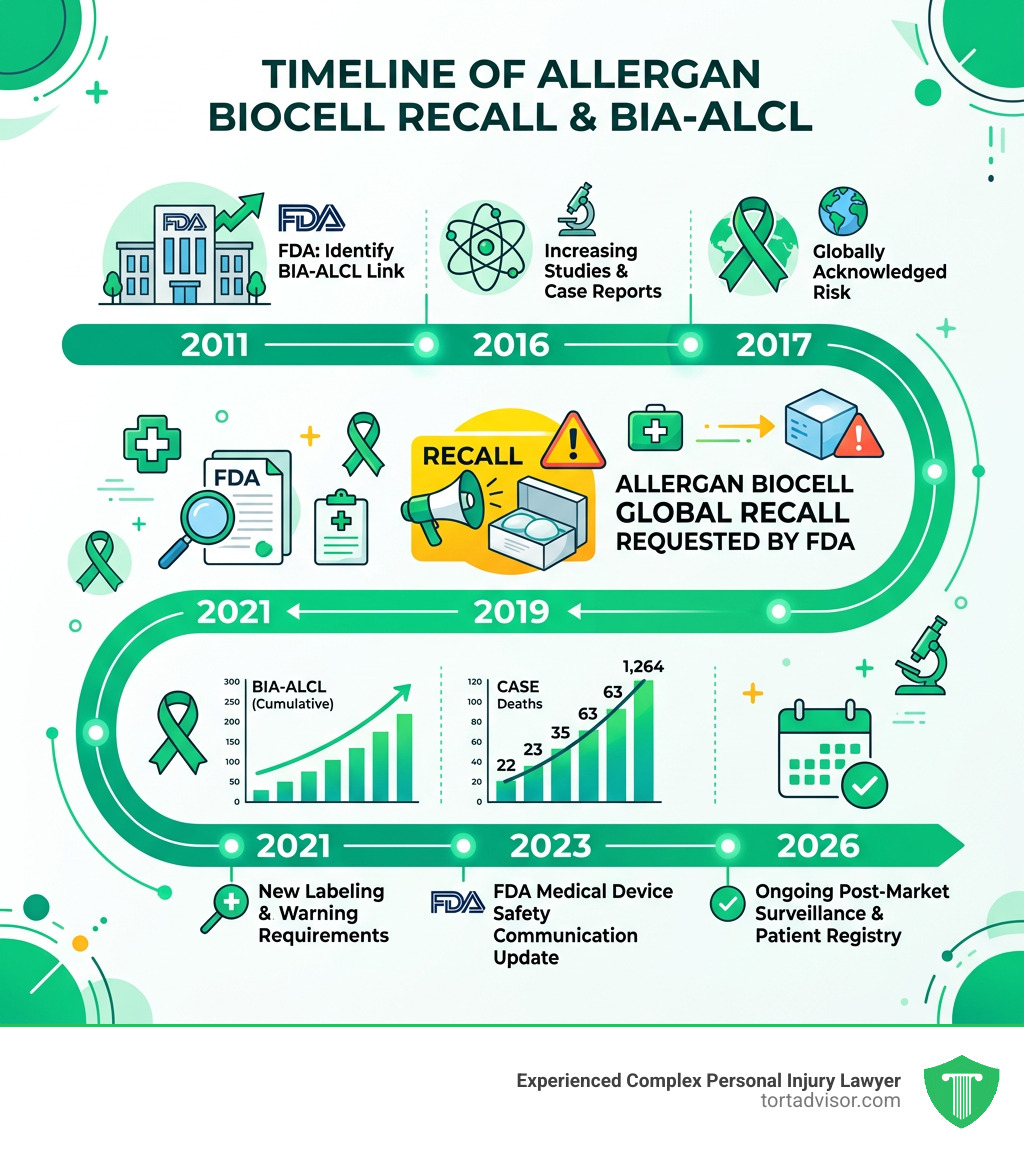
In July 2019, the FDA requested that Allergan pull its BIOCELL textured breast implants from the global market after data showed a disproportionate link to breast implant-associated anaplastic large cell lymphoma (BIA-ALCL). By 2023, the FDA had recorded 1,264 BIA-ALCL cases worldwide — with 85% involving Allergan implants and 63 patient deaths.
This is not a small or routine recall. It affects hundreds of thousands of women globally, and the risks may not show up for years after surgery.
I’m Mason Arnao, and through my work in data systems and online lead generation, I’ve spent years helping connect people navigating complex issues — including the gummy bear implant recall — with the right legal and medical resources. In the sections below, I’ll walk you through exactly what was recalled, why, what the risks are, and what steps to take next.
Understanding Gummy Bear Implants and the BIOCELL Connection
To understand the gummy bear implant recall, we first have to look at what these devices actually are. The term “gummy bear” isn’t a medical classification; it’s a nickname coined by plastic surgeons because of the way these implants behave. If you cut a traditional silicone implant in half, the gel might slowly ooze out. If you cut a gummy bear implant in half, it stays exactly where it is—just like the candy.
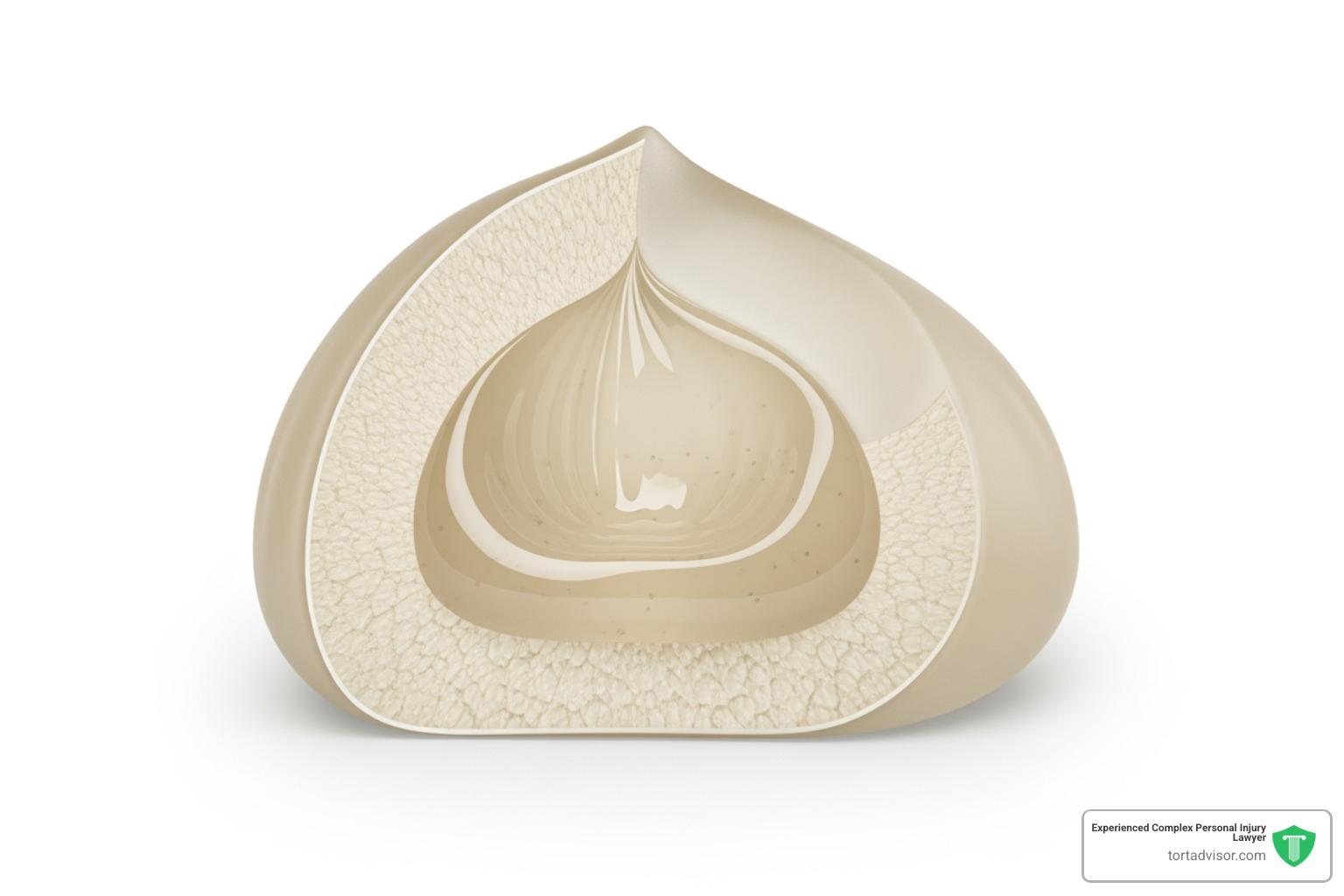
These are “highly cohesive” or “form-stable” implants. They are filled with a thick silicone gel that is cross-linked to ensure they maintain their shape (often a natural teardrop shape) even if the outer shell breaks. While this technology was praised for providing a more natural look and reducing the risk of visible rippling, it also introduced specific manufacturing requirements—specifically, textured shells.
There are many pros and cons of gummy bear implants to consider. On the plus side, they are less likely to fold or wrinkle. On the downside, they require a slightly longer incision (about 6cm compared to 4cm for traditional gel) because they are firmer and cannot be “squeezed” into a small opening.
| Feature | Smooth Gummy Bear Implants | Textured (BIOCELL) Gummy Bear Implants |
|---|---|---|
| Surface | Polished and slippery | Pitted and sandpaper-like |
| Tissue Adherence | Moves freely in the pocket | “Velcro” effect; sticks to tissue |
| Recall Status | Generally NOT recalled | RECALLED (if Allergan BIOCELL) |
| Cancer Risk | Low/Baseline | Significantly Higher (BIA-ALCL link) |
Defining “Gummy Bear” Technology
Technically known as fifth-generation implants, these devices utilize a highly cross-linked gel. This material science was a response to the FDA moratorium on silicone in the 1990s, aiming to create a safer, “leak-proof” alternative. According to scientific research on cohesive gel stability, the thickness of the gel means that even in the event of a shell failure, the silicone is less likely to migrate immediately into the surrounding tissue. However, as we will discuss later, “less likely” does not mean “impossible.”
The Role of BIOCELL Texturization
The primary issue leading to the gummy bear implant recall wasn’t the “gummy” gel itself, but the surface of the shell. Allergan used a proprietary “lost salt” technique to create its BIOCELL texture. This process involves placing salt crystals on the shell during manufacturing and then washing them away, leaving behind deep, irregular pores.
This macro-texture was designed to help the implant “stick” to the chest wall, preventing the teardrop shape from rotating. However, theories suggest these deep pores can trap bacteria or shed loose silicone particles, leading to chronic inflammation. This persistent irritation is believed to be the trigger for the immune system cancer known as BIA-ALCL. You can read more about the biological impacts in our guide on breast-implant-lawsuit-silicone-toxicity.
The Allergan Gummy Bear Implant Recall: Why and Which Models?
In July 2019, the landscape of plastic surgery changed overnight. Following an official FDA recall announcement, Allergan initiated a worldwide voluntary recall of all BIOCELL textured products. This was not a minor suggestion; it was a direct response to data showing that Allergan’s specific texturization carried a risk of BIA-ALCL roughly six times higher than textured implants from other manufacturers.
If you are wondering if you are affected, the first step is identifying your model. For a deeper dive into the legal history of this action, see our page on the gummy-bear-implants-recall.
Recalled Natrelle Models
The recall includes both silicone and saline-filled textured implants, as well as tissue expanders used in reconstructive surgery. The specific models include:
- Natrelle 410 Highly Cohesive Anatomically Shaped Implants (The classic “Gummy Bear” styles: 410LL, 410LM, 410LH, 410ML, 410MM, 410MH, 410SL, 410SM, 410SH)
- Natrelle Silicone-Filled Textured Implants (Styles 110, 115, 120, TRL, TRLP, TRM, TRF, TRX, TCL, TCLP, TCM, TCF, TCX, TSL, TSLP, TSM, TSF, TSX)
- Natrelle Saline-Filled Textured Implants (Styles 163, 168, 363, 468)
- Natrelle Inspira Silicone-Filled Textured Implants
- Natrelle 133 Tissue Expanders (Used primarily after mastectomies)
Why the Recall Happened
The FDA’s decision was driven by an analysis of 573 unique global cases of BIA-ALCL. Of those, 481 cases were directly linked to Allergan implants. Even more concerning was the mortality data: of the 33 patient deaths reported at the time, the manufacturer of the implant was known in 13 cases—and 12 of those 13 patients had Allergan implants. This disproportionate risk made the breast-implant-recall-2023 updates even more critical for patient safety.
Health Risks: BIA-ALCL Symptoms and Silicone Migration
The most significant risk associated with the gummy bear implant recall is Breast Implant-Associated Anaplastic Large Cell Lymphoma (BIA-ALCL). It is important to note that this is not breast cancer. It is a type of non-Hodgkin lymphoma—a cancer of the immune system—that develops in the scar tissue (capsule) and fluid surrounding the implant.
Symptoms usually appear years after the initial surgery (the average is about 8 years). If you experience any of the following, contact a breast-implant-cancer-lawyer or medical professional immediately:
- Seroma: A sudden, significant swelling caused by fluid buildup around the implant.
- Persistent Pain: A dull ache or sharp pain that doesn’t go away.
- Lumps: New masses in the breast or the armpit area.
- Asymmetry: One breast suddenly looking much larger or a different shape than the other.
Understanding BIA-ALCL Statistics
The numbers have continued to climb since the initial recall. According to the latest BIA-ALCL surveillance data from the FDA, as of 2023, there were 1,264 reported cases and 63 deaths worldwide. In cases where the implant surface was known, 918 were textured. Furthermore, 1,079 of the total cases (roughly 85%) were attributed to Allergan.
Silicone Leakage and Migration Concerns
While BIA-ALCL is the headline risk, there are ongoing concerns regarding “gel bleed” or silicone migration. Even with gummy bear implants, which are designed to be “form-stable,” silicone can still escape.
A Dutch case series found that 98.8% of women studied had silicone particles in their tissues, with 86.6% showing migration outside the capsule, often into the lymph nodes. This can cause a systemic inflammatory reaction, even if the implant hasn’t “ruptured” in the traditional sense. More details can be found in the research on silicone migration in cohesive implants.
Global Regulatory Actions and FDA Guidelines for 2026
The gummy bear implant recall wasn’t just a U.S. event; it was a global movement. France was one of the first to act, banning several types of textured implants in 2018. Australia’s TGA and Health Canada macro-textured suspension followed shortly after.
If you are navigating these waters, our breast-implant-class-action-lawsuit-guide can help explain how these international findings bolster domestic legal claims.
FDA Recommendations for Asymptomatic Patients
As of 2026, the FDA’s stance remains consistent: if you have recalled implants but no symptoms, they do not recommend prophylactic removal. The risks of surgery—such as infection, reaction to anesthesia, and scarring—are generally considered higher than the current risk of developing BIA-ALCL (which is estimated at less than 0.03% in some populations).
Instead, the FDA recommends:
- Routine Monitoring: Regular self-exams and clinical check-ups.
- Imaging: The FDA suggests an MRI three years after placement and then every two years thereafter to check for “silent” ruptures.
- Staying Informed: Reviewing the FDA questions and answers on BIA-ALCL for the latest safety updates.
International Risk Comparisons
Risk assessments vary by country based on the prevalence of certain implant types. In Canada, the estimated risk of BIA-ALCL with macro-textured implants is roughly 1 in 1,306. In contrast, the risk with micro-textured implants is much lower (1 in 19,551), and there have been no confirmed cases in Canada linked solely to smooth implants. For those in Australia, the Australian TGA recall guidance provides similar localized data.
Next Steps: Identification and Legal Options
If you’re reading this and aren’t sure what’s inside your body, don’t panic. There are several ways to track down this information. Once you have it, you can explore your options on our tort/breast-implant-lawsuits page.
How to Determine Your Implant Type
- Implant ID Card: Most surgeons provide a card after surgery with the manufacturer, style, and serial number.
- Operative Reports: You have a legal right to your medical records. Contact the surgeon or the hospital where the procedure was performed.
- Patient Registries: In some regions, registries like the National Breast Implant Registry (NBIR) may have your data on file.
Medical and Legal Consultation
If you do decide to remove your implants—whether due to symptoms or significant anxiety—surgeons often recommend a “total capsulectomy” or “en-bloc” removal. This involves removing the implant and the entire surrounding scar tissue capsule as one piece. This is the gold standard for treating BIA-ALCL and ensuring no stray silicone particles are left behind.
From a legal perspective, you may be eligible for compensation for medical monitoring, explantation costs, or pain and suffering. This is especially true if you have been diagnosed with BIA-ALCL or systemic illness. Our resources on the breast-cancer-class-action-lawsuit can provide more context on these filings.
Frequently Asked Questions about Gummy Bear Implant Recalls
Are all gummy bear implants recalled?
No. The gummy bear implant recall specifically targets the Allergan BIOCELL textured surface. Gummy bear implants made by other manufacturers (like Sientra or Mentor) or those with smooth surfaces were not part of this specific recall. Always check your specific brand and model.
What are the latest BIA-ALCL statistics for a gummy bear implant recall?
As of 2026 projections, the number of reported cases continues to rise slightly as older implants reach their 10-to-15-year lifespan. While the “rate” of new cases may stabilize due to the 2019 recall, women with existing implants remain at risk for years to come.
Should I remove my implants if I have no symptoms?
Most medical bodies, including the FDA and the American Society of Plastic Surgeons, do not recommend removal for asymptomatic patients. However, if the psychological anxiety of having a recalled device is affecting your quality of life, that is a valid reason to discuss elective removal with your doctor.
Conclusion
At Tort Advisor, we believe that no one should have to navigate a medical crisis alone. The gummy bear implant recall has left many women feeling uncertain about their health and their future. Our mission is to connect you with specialty attorneys who have a proven track record in medical product liability.
If you’ve been affected by these recalled devices, you may be entitled to compensation. Use our calculator/breast-implant-settlement-calculator to get an idea of what your case might be worth, and let us help you find the legal advocacy you deserve. Your health is your most valuable asset—let’s protect it together.
Free Confidential Case Evaluation
Complete the short form below to get an immediate FREE case review with an expert in your specific claim. Don't wait, your case could be time sensitive to file a claim.
Related Posts

Breaking Depo-Provera lawsuit update: Pfizer files Daubert motion in the meningioma MDL ahead of June 24–26 causation hearings. 3,790 plaintiffs, settlement estimates $100K–$1.5M, who qualifies in 2026. Call 1 (855) 664-8713 for a free case review.

Discover what to do after a Maryland car accident: immediate steps, insurance laws, claims, and legal help for commuters on I-95.

Discover the average payout for cancer misdiagnosis: $450K median settlements. Learn factors, real cases & how to claim compensation today.

Learn about the recall on gummy bear implants, BIA-ALCL risks, affected models, symptoms, lawsuits & compensation. Get expert legal guidance now!

Hire a defective product injury lawyer to fight for compensation after a defect causes harm. Learn strict liability, defects & claims.
Discover PFAS lawsuit settlement amounts per person kidney cancer: $150K-$500K estimates, eligibility, timelines & claim guide. Get started now!