Hair Relaxer Cancer Lawsuits in Tupelo and How to File Your Claim
Update — 26 September 2026: Hair relaxer claims are consolidated in MDL 3060 before Judge Mary M. Rowland in the Northern District of Illinois, with 12,381 federal cases pending as of October 1, 2026. No bellwether trial has taken place, and no trial date had been set as of October 2026. No global settlement has been announced, and no settlement values have been published.
Hair Relaxer Cancer Lawsuits in Tupelo and How to File Your Claim
Understanding the Growing Threat of Hair Relaxer Products
Tupelo hair relaxer cancer lawsuit cases are part of a national legal battle affecting women who developed serious health conditions after using chemical hair straighteners. If you or a loved one in Tupelo, Mississippi, were diagnosed with uterine cancer, ovarian cancer, or other related conditions after using hair relaxers, you may be eligible for compensation.
Key Information for Tupelo Residents:
Find out if you may have a claim
Answer a few questions and a trained case advisor will review your situation — most people finish in about a minute.
- Free — no cost, no obligation
- About a minute to complete
- Reviewed by a trained case advisor
- Nothing you submit is published
Your details are sent over a secure connection and reviewed confidentially.
- What it is: A product liability lawsuit against manufacturers of chemical hair relaxers linked to cancer.
- Who qualifies: Women diagnosed with uterine, ovarian, or endometrial cancer, or uterine fibroids after regular hair relaxer use.
- Current status: 12,381 cases were pending in a federal MDL (No. 3060) in Illinois as of October 1, 2026.
- Cost to file: No upfront fees; attorneys work on contingency.
- Time limit: Mississippi’s statute of limitations applies, but the “discovery rule” may extend your deadline.
- Compensation: May include medical expenses, lost wages, pain and suffering, and punitive damages.
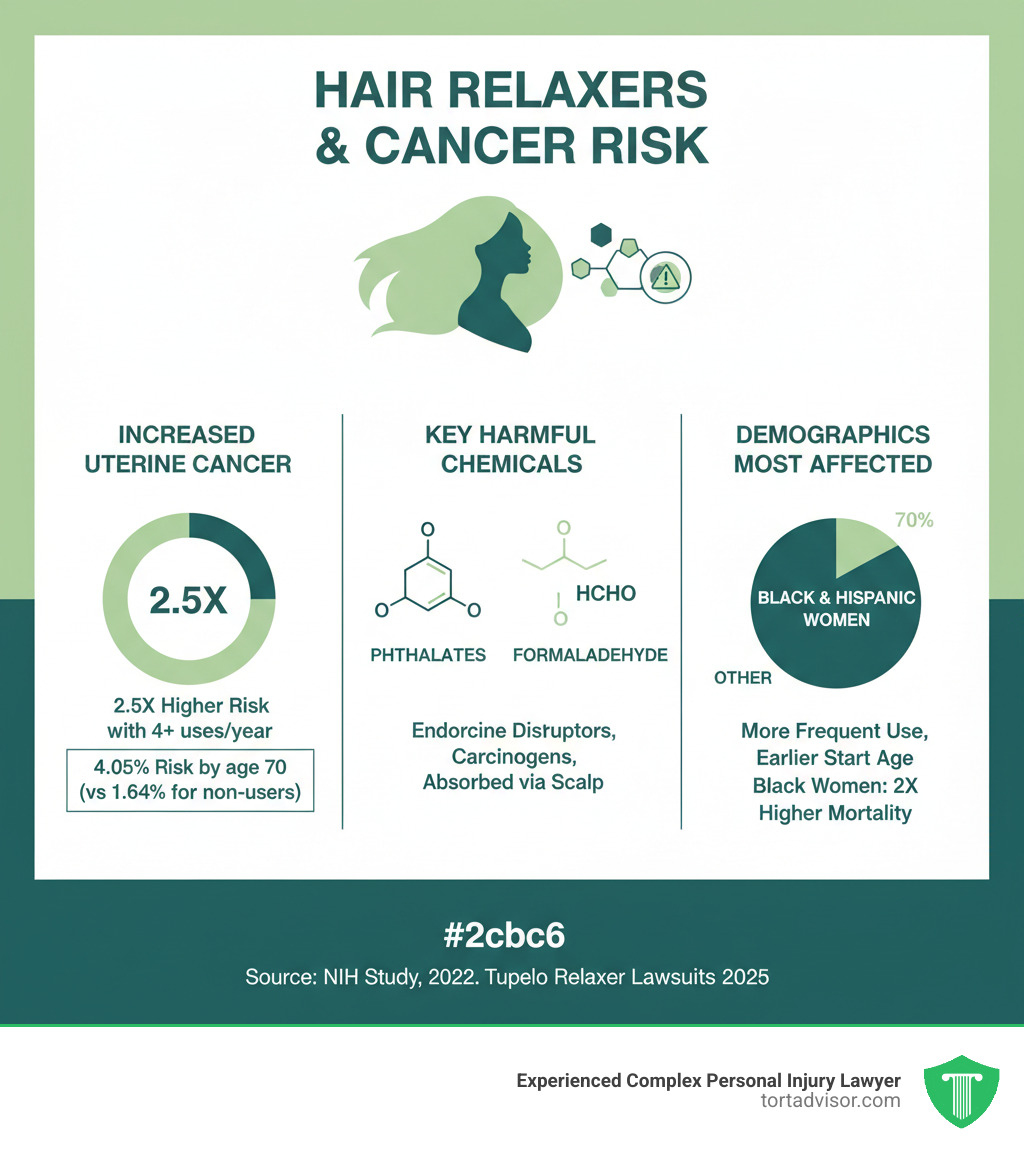
A 2022 National Institutes of Health (NIH) study found that women using chemical hair straighteners over four times a year were more than 2.5 times as likely to develop uterine cancer. This risk is especially concerning for Black and Hispanic women, who use these products more frequently and often from a younger age.
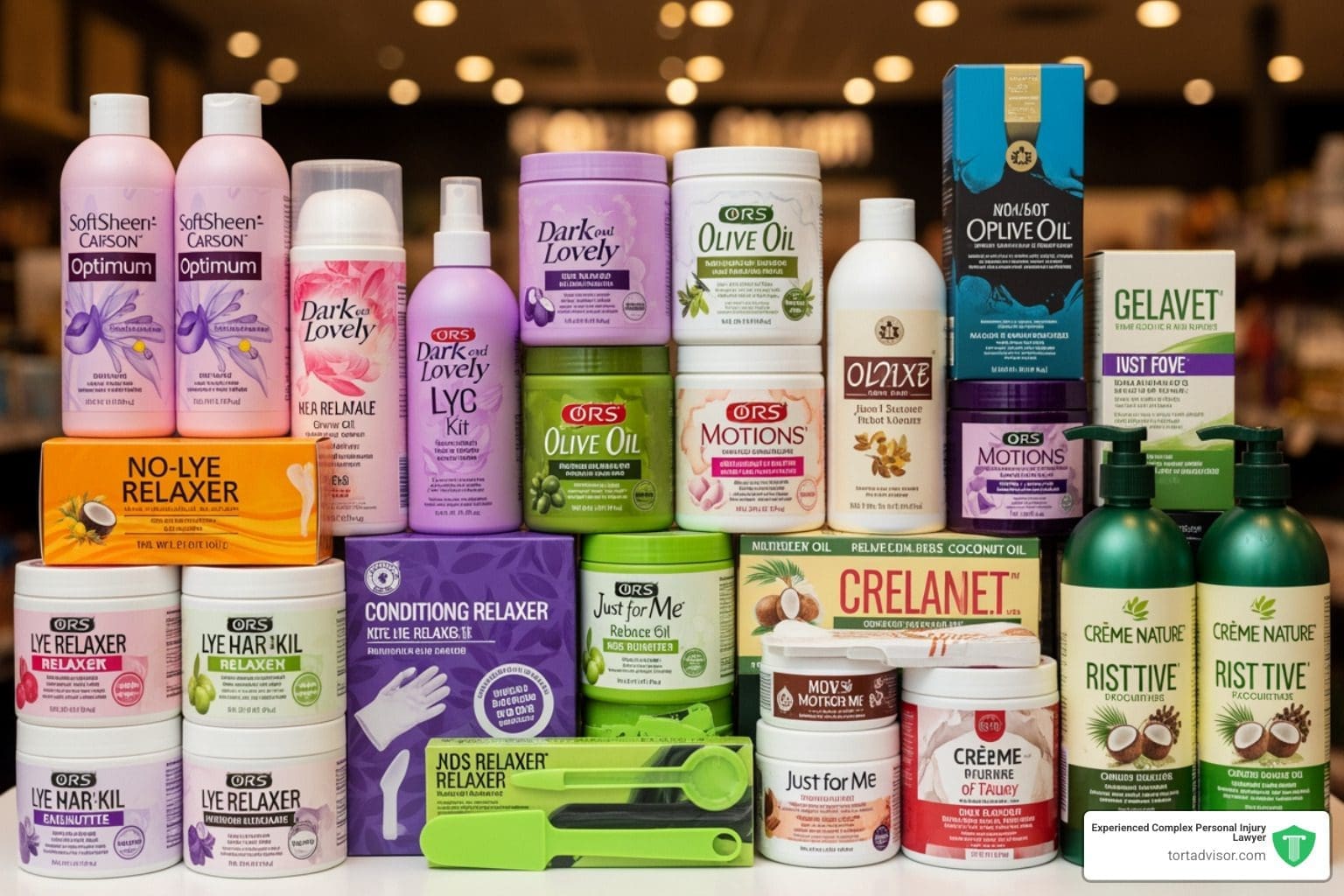
Major manufacturers like L’Oréal, Revlon, and SoftSheen-Carson are named in lawsuits for allegedly failing to warn consumers about the risks of toxic chemicals—including phthalates and formaldehyde—in their products. The lawsuits claim these companies deceptively marketed products like Dark & Lovely, Motions, and Olive Oil Relaxer as “safe” and “natural,” particularly to women of color.
At Tort Advisor, we are dedicated to helping individuals steer complex legal landscapes. We specialize in connecting those affected by the Tupelo hair relaxer cancer lawsuit with experienced attorneys who can fight for their rights.
The Science Behind the Lawsuits: What Studies Reveal
The Tupelo hair relaxer cancer lawsuit is grounded in scientific research linking hair relaxers to serious health issues. The primary concern involves endocrine-disrupting chemicals (EDCs), which interfere with the body’s hormone system.
Hair relaxers often contain a dangerous mix of these chemicals:
- Phthalates: Interfere with hormone production and breakdown.
- Formaldehyde: A known carcinogen released when products are heated.
- Parabens: Another type of EDC found in many relaxer formulas.
These chemicals can be absorbed through the scalp, especially with cuts or burns from application, and inhaled during use. A landmark October 2022 scientific research on hair straightening chemicals published by the National Institute of Environmental Health Sciences found that women using chemical straighteners at least four times a year were more than twice as likely to develop uterine cancer. An earlier study from the same group linked frequent use to a doubled risk of ovarian cancer.

Health Conditions Linked to Hair Relaxers
The chemical exposure from hair relaxers has been linked to several devastating health conditions:
- Uterine Cancer: Frequent users face more than 2.5 times the risk.
- Ovarian Cancer: Regular users have more than double the risk.
- Endometrial Cancer: A type of uterine cancer specifically highlighted in the NIH study.
- Uterine Fibroids: A 2012 study linked frequent relaxer use to these non-cancerous but often painful growths.
Many women with these conditions have required a hysterectomy (surgical removal of the uterus), leading to infertility and early menopause. For those dealing with such severe health impacts, our Catastrophic Injury Attorney Complete Guide offers helpful information.
Who is Most Affected by These Health Risks?
The health risks disproportionately affect Black and Hispanic women, who use hair straightening products more frequently and start at younger ages. This usage is often driven by societal and economic pressures to conform to Eurocentric beauty standards. A CNN Health article on societal pressure highlighted a Duke University study showing that Black women with natural hair were less likely to get job interview callbacks.
Lawsuits allege that manufacturers knew this and deliberately targeted women of color with misleading marketing, promoting their products as “safe” and “natural.” This makes the Tupelo hair relaxer cancer lawsuit not just a product liability issue, but a matter of health equity and corporate accountability.
Understanding the Tupelo Hair Relaxer Cancer Lawsuit Landscape
The Tupelo hair relaxer cancer lawsuit is part of a nationwide legal action against major beauty corporations. These product liability cases argue that manufacturers are responsible for the harm their products caused.
The lawsuits are based on several key legal arguments:
- Failure to Warn: Companies allegedly knew about the cancer risks but failed to inform consumers.
- Deceptive Marketing: Products were promoted as “safe,” “organic,” and “natural,” particularly to Black women and children, misleading them about the true dangers.
- Negligence: Manufacturers are accused of prioritizing profits over safety by failing to adequately test their products and ignoring studies that linked ingredients to cancer.
For more on how these claims work, see our guide on Product Liability Personal Injury.

What is a Tupelo hair relaxer cancer lawsuit?
A Tupelo hair relaxer cancer lawsuit is a legal claim filed by someone in the Tupelo area who developed cancer or other serious health issues after using chemical hair straighteners. While filed individually, your case joins thousands of others in a powerful collective demand for accountability and compensation. The goal is to hold corporations responsible for the harm they’ve caused and ensure future generations are not exposed to the same risks.
Products and Manufacturers Named in Lawsuits
The lawsuits target some of the biggest names in the beauty industry. Major defendants include:
- L’Oréal (and its subsidiary SoftSheen-Carson), makers of Dark & Lovely and Optimum.
- Revlon, a cosmetics giant with a long history of selling relaxer products.
- Strength of Nature Global, which produced Motions and the children’s line Just for Me.
- Namaste Laboratories, known for its Organic Root Stimulator (ORS) and Olive Oil Relaxer lines.
Other companies named include Dabur International, PDC Brands, and Avlon Industries. Despite marketing claims of “no-lye” or “gentle” formulas, these products allegedly contained the same dangerous endocrine-disrupting chemicals.
Current Status of the Hair Relaxer MDL
To manage the thousands of similar lawsuits, the federal court system has consolidated them into a Multidistrict Litigation (MDL). The hair relaxer MDL (MDL 3060) is located in the U.S. District Court for the Northern District of Illinois and is overseen by Judge Mary M. Rowland.
As of October 1, 2026, 12,381 cases were pending in this MDL. The legal process is moving toward bellwether trials, although no trial date had been set as of October 2026. These are test cases that help both sides gauge how juries might react to the evidence and often pave the way for global settlement negotiations. As reported by outlets like Reuters in its investigation “Thousands of Black women claim hair relaxers gave them cancer“, this litigation represents a significant fight for justice.
Filing a Claim in Mississippi: Eligibility and Compensation
If you live in Tupelo, Mississippi, and were diagnosed with cancer after using hair relaxers, you may be eligible to file a claim and recover compensation. An experienced attorney can help you steer the process.
Eligibility Criteria for Filing a Claim
To qualify for a Tupelo hair relaxer cancer lawsuit, you generally need to meet the following criteria:
- History of Product Use: You must have a history of regular, long-term use of chemical hair relaxers or straighteners (e.g., Dark & Lovely, Motions, Just for Me).
- Significant Health Diagnosis: You must have been diagnosed with a related condition, such as uterine cancer, ovarian cancer, endometrial cancer, or uterine fibroids requiring surgery (like a hysterectomy).
- Medical Records: You will need comprehensive medical records documenting your diagnosis, treatments, and related medical procedures.
Don’t worry if you don’t have old receipts; attorneys can help establish your product use through other means, such as personal testimony or photographs.
What Compensation Can You Recover?
A successful lawsuit can provide financial compensation for the damages you have suffered. This can include:
- Economic Damages: Coverage for all past and future medical expenses, lost wages from being unable to work, and reduced future earning capacity.
- Non-Economic Damages: Compensation for physical pain, emotional distress, mental anguish, and loss of enjoyment of life.
- Punitive Damages: In some cases, juries may award punitive damages to punish manufacturers for egregious conduct, such as knowingly hiding risks from the public.
Every case is different, and no hair relaxer settlement amounts have been published, because no settlement or verdict has been reached in MDL 3060. To get a personalized estimate, you can use our Hair Relaxer Settlement Calculator.
Mississippi’s Statute of Limitations for Your Claim
You have a limited time to file a lawsuit. Mississippi has a three-year statute of limitations for personal injury claims, but the clock doesn’t always start on the date of diagnosis.
Thanks to the “discovery rule,” the deadline may begin when you discovered—or reasonably should have discovered—the link between your cancer and hair relaxer use. For many women, this discovery happened around October 2022 with the release of the major NIH study.
However, statute of limitations laws are complex. It is absolutely critical to speak with an attorney as soon as possible to evaluate your specific timeline and protect your right to file a claim. Waiting too long could mean losing your right to compensation forever.
What to Do if You Suspect Hair Relaxers Caused Your Cancer
If you suspect your cancer was caused by hair relaxers, it’s important to take clear, actionable steps to protect your rights. Here’s what you can do.

Step 1: Document Your Product Use History
Building a timeline of your hair relaxer use is a crucial first step for your Tupelo hair relaxer cancer lawsuit. You don’t need perfect records, but try to document the following:
- Timeline: When did you start and stop using relaxers?
- Brands: List all the brands you can remember (e.g., Dark & Lovely, Motions, Just for Me).
- Frequency: How often did you apply them (e.g., every 6-8 weeks)?
- Duration: For how many total years did you use these products?
- Location: Did you apply them at home or in a salon?
Your personal testimony, old photos, and statements from family or friends can all help establish your history of use.
Step 2: Gather Your Medical and Personal Records
Collect all documents related to your health and product use. This evidence will form the backbone of your case. Key items include:
- Diagnosis Records: Pathology reports, biopsy results, and notes from your oncologist.
- Treatment History: Records of surgeries (like a hysterectomy), chemotherapy, radiation, and medications.
- Proof of Use (if available): Any old receipts, product boxes, or photographs showing your relaxed hairstyles over the years.
Organize these documents to make the legal process smoother.
Step 3: Consult with a Specialized Attorney
The most important step is to speak with an attorney who specializes in hair relaxer lawsuits.
- Get a Free Consultation: Reputable firms offer no-cost, no-obligation case evaluations to discuss your situation and legal options.
- Understand the Process: An attorney can explain your rights, assess the strength of your claim, and outline what to expect from the MDL process.
- No Upfront Costs: These lawyers work on a contingency fee basis, meaning you pay nothing unless they win your case. Their fee is a percentage of the recovery.
Finding the right lawyer is essential. Our guide on How Do I Find A Good Personal Injury Lawyer can help you know what to look for. At Tort Advisor, we connect you directly with vetted, experienced attorneys ready to fight for you.
Frequently Asked Questions about the Tupelo Hair Relaxer Cancer Lawsuit
Considering a Tupelo hair relaxer cancer lawsuit can bring up many questions. Here are answers to some of the most common concerns.
Do I need receipts to prove I used hair relaxers?
No, you do not need receipts. Most people don’t keep them for decades. Your case can be built using other evidence, such as:
- Your own detailed testimony about your usage history.
- Photographs showing your relaxed hair over the years.
- Records from salons where you had your hair professionally relaxed.
- Statements from friends or family who can confirm your use of these products.
An experienced attorney will know how to effectively document your history of use without receipts.
How much does it cost to hire a lawyer for this type of lawsuit?
There are no upfront costs. The attorneys we connect you with work on a contingency fee basis. This means you pay absolutely nothing unless they win a settlement or verdict for you. Their fee is taken as a percentage of the final compensation. If you don’t win, you owe no attorney fees. This system ensures everyone can afford expert legal representation.
Can I still file a claim if my cancer was diagnosed years ago?
Possibly, yes. Mississippi has a three-year statute of limitations, but the “discovery rule” is critical here. This rule states that the time limit may not start until you discovered (or reasonably should have discovered) the link between your cancer and hair relaxer use. For many, this discovery only happened in late 2022 when a major NIH study was published.
Because these deadlines are complex and strict, it is vital to speak with an attorney immediately. They can assess your specific timeline and determine if you are still eligible to file a claim. Do not delay, as you could lose your right to seek justice.
How to Get Help with Your Tupelo Hair Relaxer Cancer Lawsuit
A cancer diagnosis is a heavy burden, made even heavier by the possibility that it was caused by a trusted product. For women in Tupelo affected by hair relaxer use, seeking justice is a critical step toward accountability and healing.
At Tort Advisor, we simplify the process of finding expert legal help. We connect victims with experienced attorneys who specialize in the Tupelo hair relaxer cancer lawsuit and have a proven record of success. These lawyers understand the science and the legal strategies needed to take on large corporations.
Getting started is easy and free. We offer a confidential consultation to help you understand your legal options with no obligation. The attorneys in our network work on a contingency fee basis, so you pay nothing unless you win.
Don’t face this fight alone. You deserve a powerful legal team on your side. Visit our page on Hair Relaxer Cancer Lawsuits to learn more and take the first step toward the justice and compensation you deserve.
Related Posts

Hair relaxer cancer lawsuit eligibility: Understand scientific links, legal process, and how to file your claim. Find justice.
Discover hair relaxer lawsuit settlement amounts for fibroids, uterine & ovarian cancer. Get estimates, eligibility & claim factors now!
Explore the hair relaxer class action lawsuit. Understand cancer risks, eligibility, and how to claim compensation. Act now for justice.