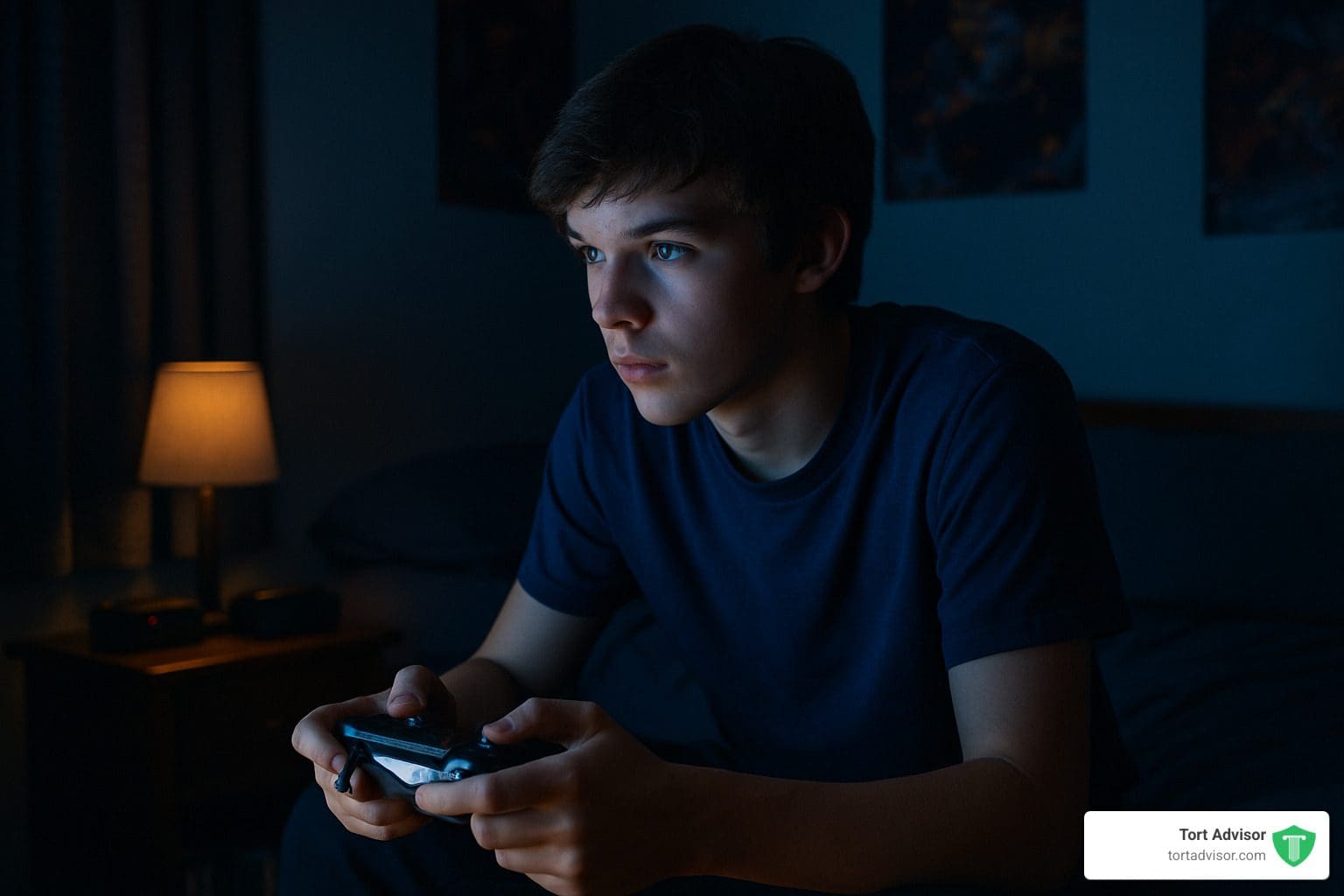
Fortnite Addiction Lawsuit 2026: Epic Games Claims & Who Qualifies
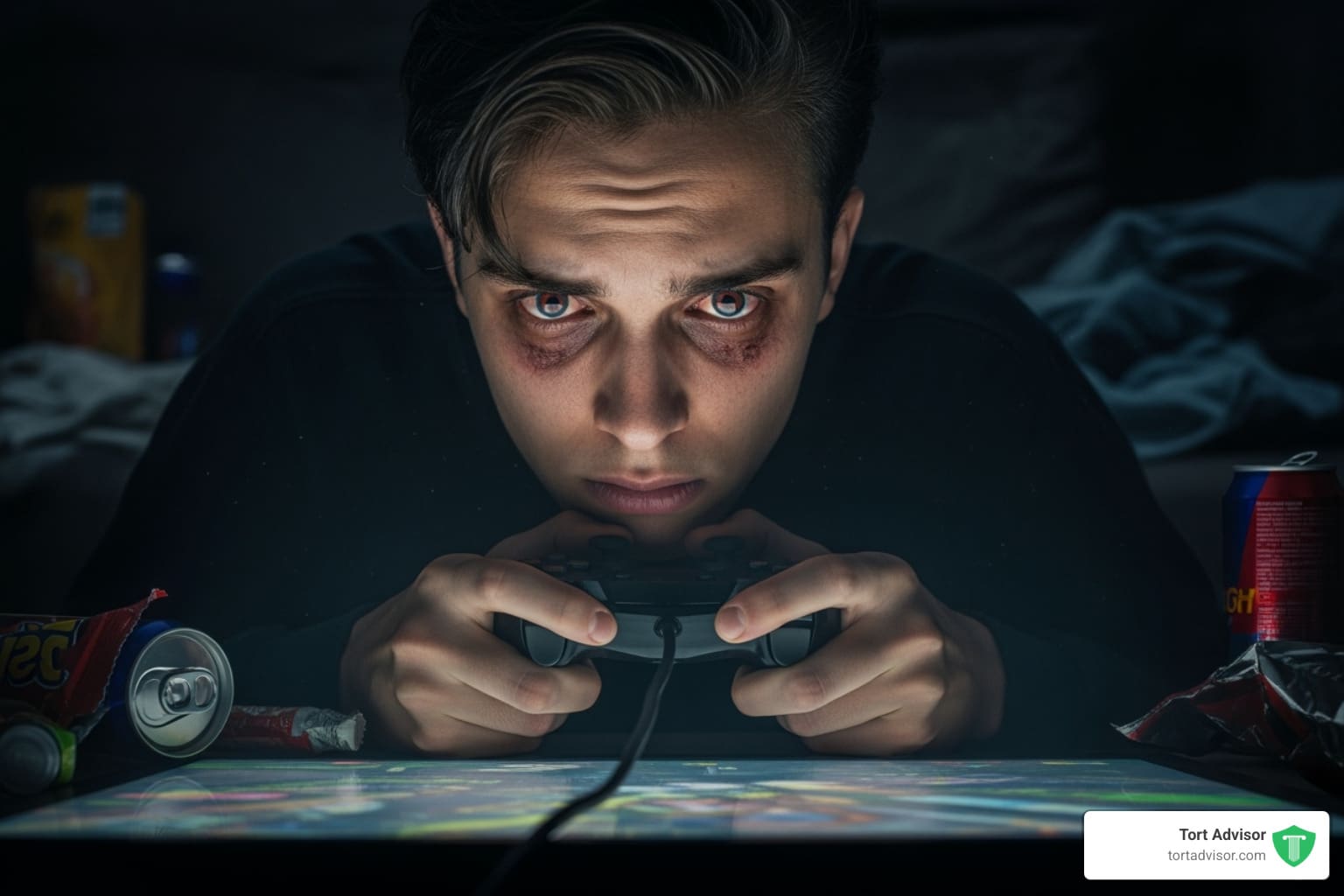
Is your child showing signs of gaming addiction from Fortnite?
Families across the country are filing a Fortnite addiction lawsuit against Epic Games. A free, no-obligation review can help you understand your options.
A Fortnite addiction lawsuit alleges that Epic Games designed Fortnite using manipulative, compulsion-driven mechanics — including loot boxes, battle passes, and constantly refreshed content — specifically to keep children and teens playing as long as possible, without adequate warnings about the risk of compulsive use. These claims are part of a broader wave of video game and social media addiction litigation working through the federal court system. Here’s what the lawsuit alleges, where the litigation stands, and who may qualify to file.
On this page
What the Fortnite addiction lawsuit alleges
Plaintiffs in Fortnite addiction lawsuits generally allege that Epic Games used psychological design techniques — variable reward schedules, fear-of-missing-out mechanics tied to limited-time items, and near-constant content updates — to encourage compulsive, prolonged play among minors. Complaints typically claim this caused or contributed to diagnosable behavioral harm, including symptoms consistent with internet gaming disorder, along with related harms such as disrupted sleep, declining academic performance, and, in some claims, worsened attention or mood symptoms.
Find out if you may have a claim
Answer a few questions and a trained case advisor will review your situation — most people finish in about a minute.
- Free — no cost, no obligation
- About a minute to complete
- Reviewed by a trained case advisor
- Nothing you submit is published
Your details are sent over a secure connection and reviewed confidentially.
These allegations mirror concerns raised in peer-reviewed research on internet gaming disorder, which has examined compulsive gaming patterns and their psychological effects in adolescents and young adults.
Where the litigation stands
A number of video game addiction cases, including claims naming Epic Games alongside other publishers, have been filed in federal court and referenced in proceedings before the U.S. Judicial Panel on Multidistrict Litigation under a video game addiction MDL. Consolidation in an MDL centralizes pretrial proceedings such as expert testimony and evidence discovery across similar cases, though it does not itself determine liability — that is still decided case by case or through eventual settlement.
The FTC’s separate $245 million Epic Games settlement
It’s worth distinguishing the addiction-focused lawsuits from a separate, already-resolved case: in 2023, the Federal Trade Commission finalized an order requiring Epic Games to pay $245 million for using manipulative “dark patterns” that tricked players, including children, into making unwanted in-game purchases. That case involved deceptive billing practices and children’s privacy violations, not addiction claims specifically, but it’s part of the same broader scrutiny of Fortnite’s design choices around younger players.
Wondering what a gaming addiction claim could be worth?
Our free tool lets you estimate what your case could be worth now based on your child’s diagnosis, treatment, and length of use.
Who qualifies for a Fortnite lawsuit
You may qualify for a Fortnite addiction lawsuit if your child played Fortnite regularly, especially over an extended period, and was later diagnosed by a medical or mental health professional with a condition such as internet gaming disorder, anxiety, depression, or attention difficulties that a qualified provider has linked to excessive gameplay. Documentation from a treating professional is typically central to these claims.
As with other personal injury claims, these lawsuits are subject to a statute of limitations that varies by state, and special tolling rules often apply when the injured person was a minor at the time. Because of this, it’s worth having a lawyer review your specific timeline rather than assuming a deadline has passed. You can review other active claims on our Active Lawsuits hub.
Fortnite lawsuit settlement value
There is no established settlement figure for Fortnite addiction claims specifically, since this litigation is still developing and no global settlement has been reached. Value in any individual case would depend on the severity and documentation of the diagnosed harm, length and intensity of use, and the strength of the evidence connecting the game’s design to the injury. For general information on how mass tort claims are typically valued, see our settlement amounts guide.
Still unsure where you stand?
Have a trained case advisor review your own facts — free, confidential, and with no obligation.
- Free — no cost, no obligation
- About a minute to complete
- Reviewed by a trained case advisor
- Nothing you submit is published
Your details are sent over a secure connection and reviewed confidentially.
Frequently asked questions
Is a Fortnite addiction lawsuit the same as the FTC case? No — the FTC case was a regulatory action over deceptive billing and children’s privacy, already resolved in 2023. The addiction lawsuits are separate civil claims currently working through the courts.
Does my child need a formal diagnosis to qualify? Generally, yes — a diagnosis from a medical or mental health professional linking the harm to gaming is central to these claims.
Can parents file on behalf of a minor? Yes, a parent or legal guardian can typically file on behalf of a minor child, though the details vary by state.
For background on internet gaming disorder, see this peer-reviewed case study published via the National Institutes of Health, and for details on the FTC’s Epic Games enforcement action, see the FTC’s official press release.
Find out if your family has a Fortnite claim
Free, confidential case review. You pay nothing unless a recovery is made.
This article is for general information only and is not legal or medical advice. Litigation status, eligibility, and case values vary and change over time. Consult a licensed attorney about your specific situation.
Related Posts

Considering a video game addiction lawsuit for your child? If gaming or social media use has led to a diagnosed [...]

Wondering what a video game addiction lawsuit could be worth? If your child was diagnosed with gaming addiction linked to [...]
Unpack the growing lawsuit for gaming addiction. Discover how addictive design and microtransactions impact players & your legal options.